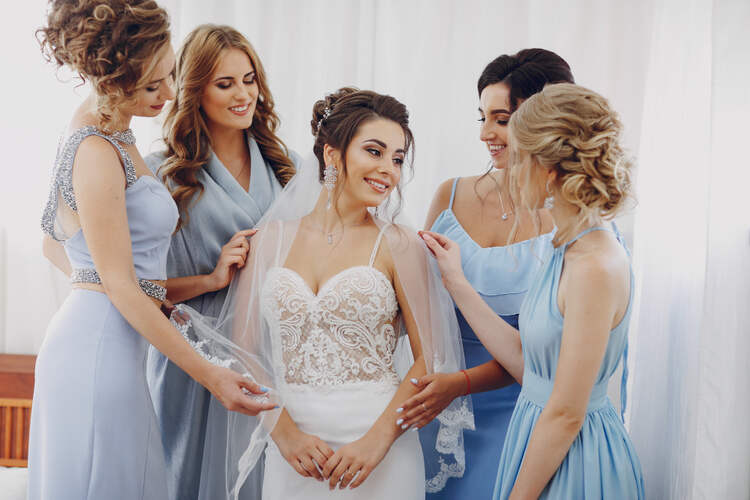
Your old wedding dresses are not just ordinary garments; they are the cherished keepsakes that hold memories of special moments and family traditions.
But with time, these dresses can show signs of aging, yellowing, stains, and fabric weakening. This is mostly caused by years of storage and exposure to light, moisture, and other environmental factors.
But with professional preservation and restoration methods, you can increase the chances that your gown will remain beautiful for decades. This is because professional restoration services specialize in handling the delicate and fragile fabric and embellishments of old wedding dresses.
Also, they use advanced cleaning techniques to carefully restore the gown’s original beauty. To understand this in detail, read below!
Thorough Inspection of the Dress
Table of Contents
The restoration process begins with the detailed checking of the dress. The restoration experts check the fabric type, seams, embellishments, and overall condition of the dress.
They do so to check the areas affected by stains or discoloration, yellowing, weak or torn seams, and damaged embellishments. After knowing all this in detail, they can easily plan the cleaning and restoration process.
Specialized Gentle Cleaning
Cleaning an old wedding dress is a delicate process. Ordinary detergents or home washing methods can ruin fragile fabrics, but professional services use advanced cleaning methods to remove all the dirt and stains from the gown.
All these specialized, gentle, and advanced cleaning methods safely restore the gown’s original look and feel.
Repairing and Reinforcing Fabrics
Restoring an old wedding dress often involves more than just cleaning. Years of storage or previous wear can lead to weak seams, loose threads, or torn fabric.
Professional services carefully repair these issues, using methods such as:
- Re-stitching weak or torn seams
- Reinforcing delicate areas with matching fabrics or tulle
- Replacing missing beads, sequins, or embellishments
All these repairs are done to ensure that the dress looks original and aesthetically beautiful.
Preserving Embellishments
Old wedding dresses often come with embellishments like beads, sequins, pearls, and embroidery. These delicate details can become loose, tarnished, or dull over time.
Professional restoration teams handle these elements with care by cleaning and securing them to prevent any existing and future damage.
Proper Storage Method
After cleaning, proper storage is very important to prevent any future damage. For this, the restoration experts use acid-free/neutral storage boxes.
These boxes are specifically designed for these vintage wedding dresses and are designed with UV protection and climate-controlled environments. This is done to protect the vintage dresses from yellowing, mold growth, fading, and more.
Expert Guidance for Long-Term Care
Professional services also provide advice on long-term gown maintenance. They guide about:
- Minimizing direct handling
- Using cotton gloves when touching the dress
- Avoiding plastic bags, attics, or basements for storage
Summing Up
Restoring an old wedding dress is a delicate process. From fragile fabrics to delicate embellishments, every part of old wedding gowns requires careful attention.
By relying on professional restoration services, brides and their families can confidently restore their old wedding dresses. This is because they will have the confidence that professionals will handle their old vintage dresses.
These experts make sure that stains are removed safely and fabrics are carefully preserved in restoration boxes.
This way, not only is the gown’s original beauty restored, but also its sentimental values are preserved.
And with such services, you can have complete peace of mind that your cherished old wedding dress will remain a timeless keepsake, which can eventually be passed to future generations without any risk of damage or deterioration.