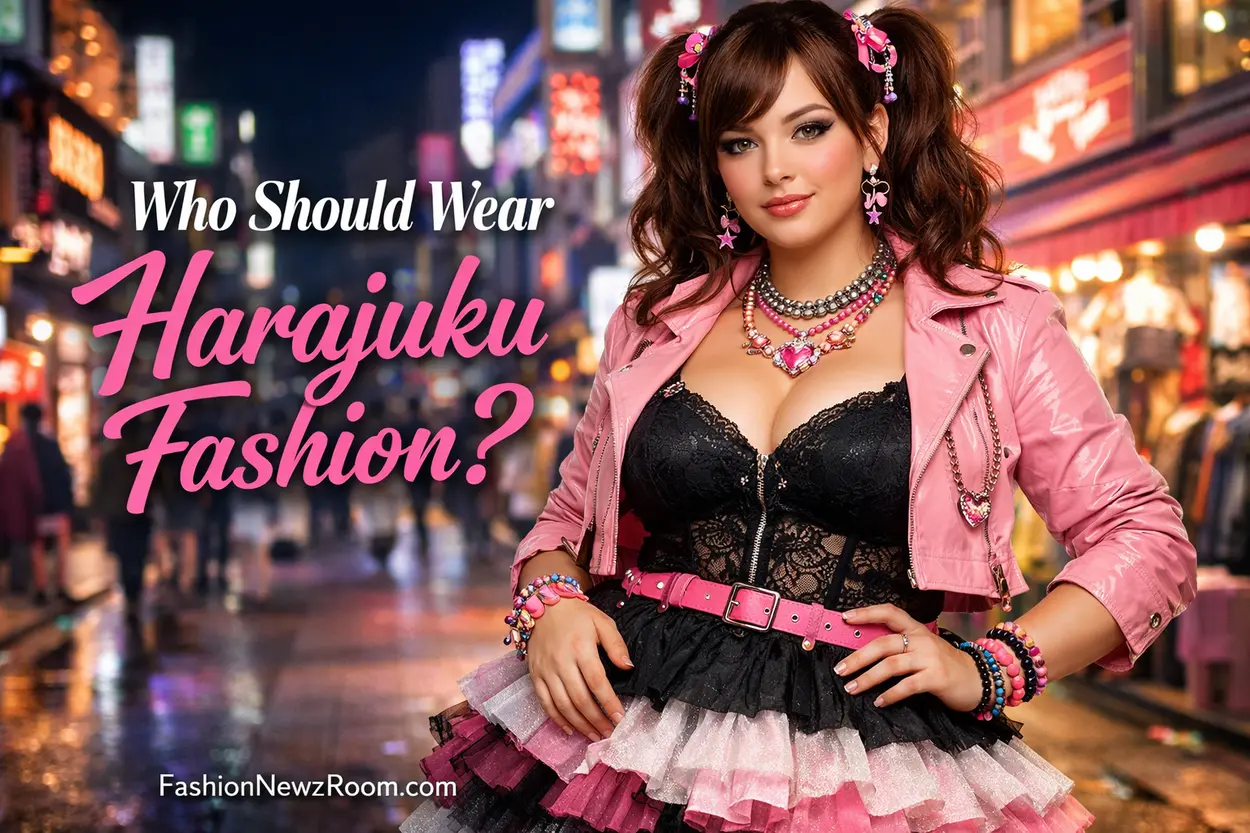
Who should wear Harajuku fashion? Anyone who values self-expression, creativity, and individuality can embrace Harajuku fashion—regardless of age, gender, or body type. Originating from Tokyo’s vibrant street culture, this style encourages breaking fashion rules, mixing bold colors, and experimenting freely. Whether you’re a beginner testing accessories or a fashion enthusiast exploring substyles like Lolita or Decora, Harajuku fashion is for those who want to stand out, express their identity, and reject mainstream trends.
Who Should Wear Harajuku Fashion?
Table of Contents
Fashion has always come with invisible rules—what’s “appropriate,” what’s “trendy,” and what’s “too much.” But what if you simply ignored all of that?
That’s exactly where Harajuku fashion steps in.
If you’ve ever wondered “Who should wear Harajuku fashion?”, the honest answer is refreshingly simple: anyone who wants to express themselves without limits. This isn’t a trend you follow—it’s a statement you create.
Born in the vibrant streets of Tokyo, Harajuku street fashion celebrates individuality, creativity, and bold self-expression. It doesn’t care about your age, body shape, or gender. Instead, it asks one question: Are you ready to be unapologetically yourself?
What is Harajuku Fashion?
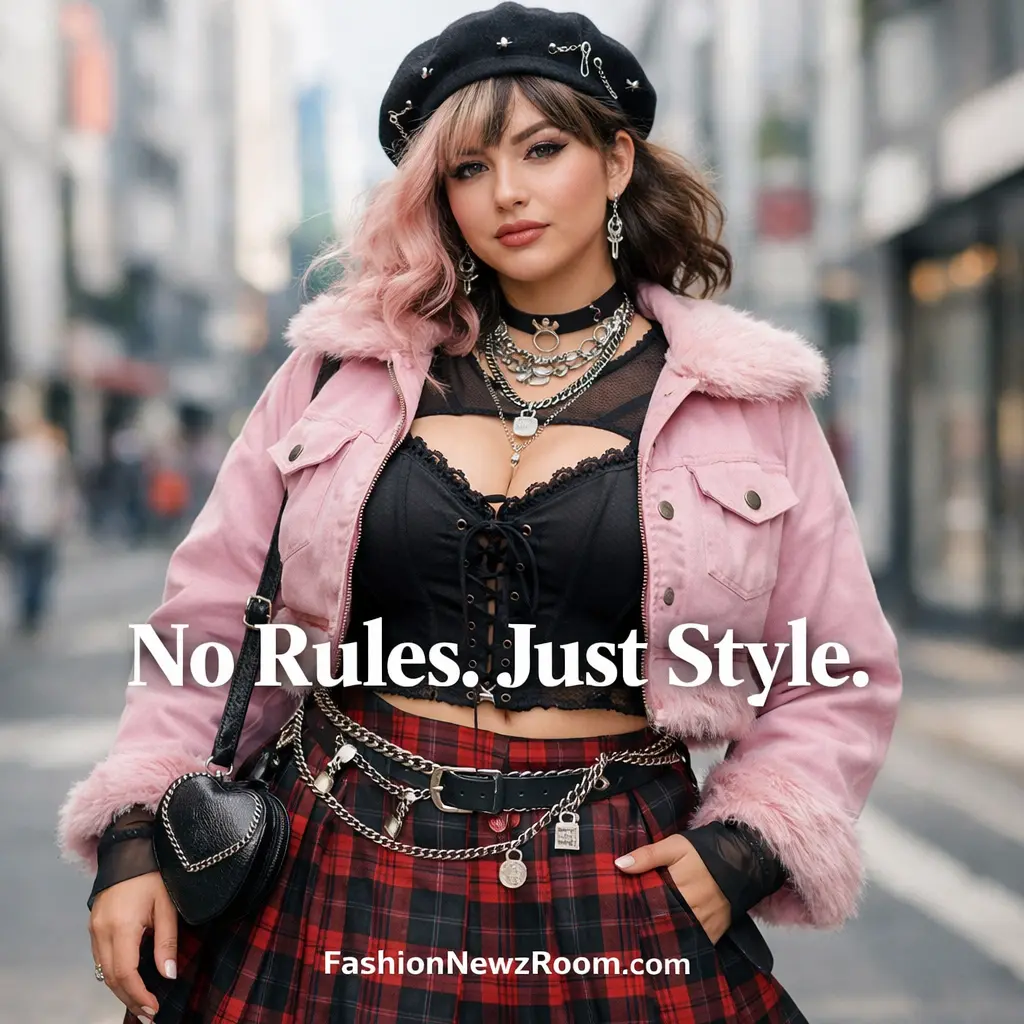
Harajuku fashion originated in Tokyo’s famous Harajuku district—a place where style isn’t dictated by designers but by the people walking the streets.
Unlike traditional fashion systems, Japanese street fashion thrives on experimentation. You’ll see clashing patterns, oversized silhouettes, playful accessories, and layered outfits that tell a story.
Core Elements of Harajuku Clothing Style
- Bold, eye-catching colors
- Creative layering techniques
- Statement accessories
- Mix of vintage and modern pieces
- Playful and sometimes theatrical makeup
Popular Harajuku Substyles
- Lolita Fashion: Inspired by Victorian and Rococo aesthetics—think lace, frills, and doll-like elegance.
- Decora Style: Bright, colorful, and overloaded with accessories—more is always better.
- Gyaru Fashion: Glamorous, bold makeup, and trendy silhouettes.
- Visual Kei: Edgy, dramatic, and often inspired by rock music culture.
If you’re curious about how street fashion evolves globally, you can explore this insightful guide on global fashion movements.
Who Can Wear Harajuku Fashion?
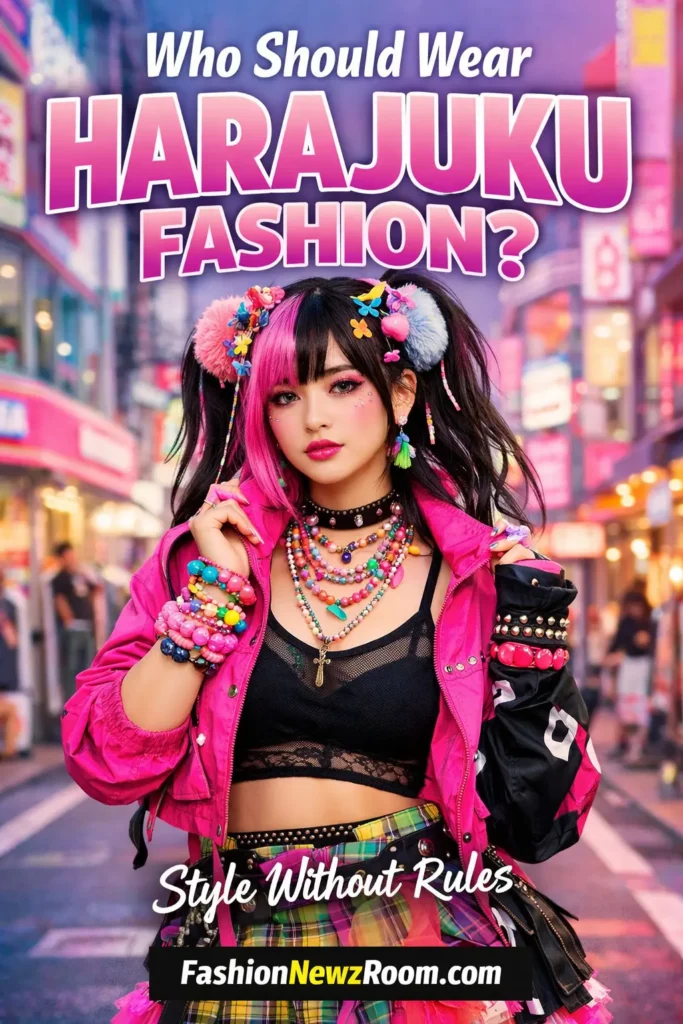
People Who Love Self-Expression
At its core, Harajuku fashion is a canvas. If you see clothing as a way to tell your story rather than just cover your body, you’re already aligned with this style.
It’s not about fitting in—it’s about standing out.
Those Tired of Mainstream Fashion
Fast fashion often feels repetitive. Same colors. Same cuts. Same trends.
Harajuku outfits break that cycle. They allow you to:
- Mix styles without rules
- Combine eras and cultures
- Create something uniquely yours
All Age Groups (No Age Limit)
One of the biggest myths? That Harajuku fashion is only for teenagers.
In reality, people of all ages participate in Tokyo street fashion. Fashion doesn’t expire at 30, 40, or even 60.
If anything, confidence grows with age—and that’s the real secret ingredient.
Any Gender or Body Type
Harajuku fashion doesn’t believe in gender boundaries or body standards.
Whether you’re exploring Harajuku fashion for men, women, or non-binary styles, the focus remains the same: expression over expectation.
Is Harajuku Fashion for Beginners?
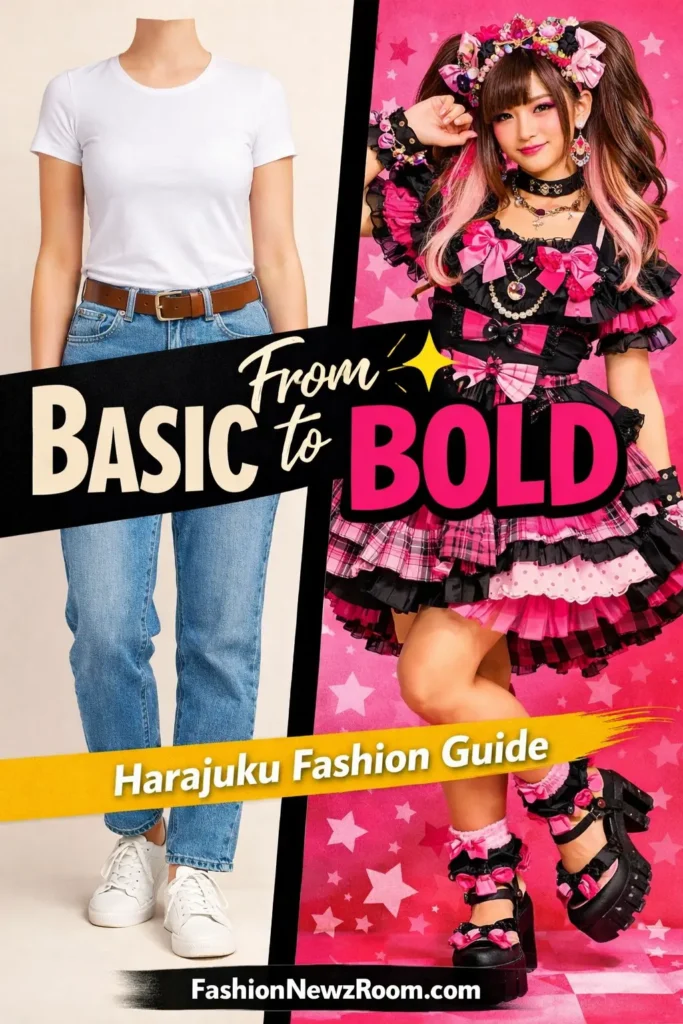
Absolutely—but here’s the catch: you don’t need to go all-in on day one.
How Beginners Can Start:
- Add quirky accessories to everyday outfits
- Experiment with one bold piece at a time
- Mix Harajuku elements with casual wear
Think of it like learning a new language—you don’t start with poetry. You start with simple words.
For styling inspiration, platforms like Pinterest fashion boards offer endless ideas.
Personality Traits That Match Harajuku Style
Not everyone is naturally drawn to Harajuku fashion—and that’s okay.
But if you recognize yourself in these traits, you might love it:
- You enjoy being creative
- You’re comfortable standing out
- You like experimenting with your look
- You appreciate Japanese culture, anime, or art
It’s less about “who can wear Harajuku fashion” and more about who feels alive wearing it.
Who Might Not Enjoy Harajuku Fashion?
Let’s be honest—this style isn’t for everyone.
You might struggle with it if:
- You prefer minimal, neutral aesthetics
- You work in environments with strict dress codes
- You dislike attention or standing out
And that’s perfectly fine. Fashion should feel comfortable, not forced.
How to Know if Harajuku Fashion is Right for You
Ask yourself:
- Do I enjoy experimenting with my appearance?
- Am I comfortable stepping outside my comfort zone?
- Do I see fashion as a form of art?
If you answered “yes” to even one of these, Harajuku fashion might be worth exploring.
How to Start Wearing Harajuku Fashion
Step-by-Step Guide
1. Choose a Substyle
Start with one—Lolita, Decora, or Gyaru—and learn its basics.
2. Build Your Wardrobe Slowly
You don’t need everything at once. Thrift stores and DIY pieces work beautifully.
3. Add Statement Accessories
Hair clips, chunky jewelry, colorful socks—these define your look.
4. Experiment with Makeup & Hair
Bold eyeliner, colorful hair, or even wigs can elevate your outfit.
For deeper styling insights, check this guide on fashion styling techniques.
Common Myths About Harajuku Fashion
“It’s only for Japanese people” ❌
Fashion is universal. Harajuku is a global movement.
“You need expensive clothes” ❌
Creativity matters more than price.
“It’s only for teenagers” ❌
Style has no expiration date.
Benefits of Wearing Harajuku Fashion
- Boosts confidence
- Encourages creativity
- Builds a unique identity
- Connects you with global fashion communities
In a world where everyone tries to fit in, standing out becomes powerful.
FAQs
Who should wear Harajuku fashion?
Anyone who values creativity, individuality, and self-expression can wear Harajuku fashion. It’s perfect for people who see clothing as more than just outfits—it’s a way to communicate personality and mood. Whether you’re bold or just starting to explore your style, Harajuku welcomes anyone willing to experiment freely.
Is Harajuku fashion for everyone?
Yes, Harajuku fashion is open to everyone, regardless of age, gender, or background. However, it especially appeals to those who enjoy bold, experimental looks and aren’t afraid to stand out. If you prefer minimal or subtle fashion, you might adapt it differently, but the core idea remains inclusive.
Can adults wear Harajuku style?
Absolutely. There is no age limit in Harajuku fashion. Adults can embrace it in ways that match their comfort level, from subtle statement pieces to full expressive outfits. In fact, many older fashion enthusiasts use Harajuku style to showcase confidence, creativity, and a strong personal identity.
Is Harajuku fashion expensive?
Not necessarily. Harajuku fashion is more about creativity than cost. Many outfits are built using thrifted items, DIY pieces, and affordable accessories. Mixing and matching unique items often matters more than buying high-end brands, making it accessible for beginners and budget-conscious fashion lovers alike.
What is the Harajuku fashion aesthetic?
The Harajuku fashion aesthetic is all about bold colors, layered clothing, playful accessories, and unique combinations. It often mixes different styles, eras, and influences to create eye-catching looks. The focus is on individuality and creativity rather than following traditional fashion rules or trends.
How can beginners start with Harajuku fashion?
Beginners can start small by adding colorful accessories, statement pieces, or layered outfits to their daily style. It’s helpful to explore one substyle at a time and gradually build confidence. Over time, experimenting with makeup, hair, and bold combinations makes the transition into full Harajuku style easier.
Is Harajuku fashion only popular in Japan?
While Harajuku fashion originated in Tokyo, it has gained global popularity. Fashion enthusiasts worldwide embrace its creativity and freedom. Social media platforms have helped spread the trend, allowing people from different cultures to adapt and reinterpret Harajuku style in their own unique ways.
What are common Harajuku fashion styles?
Some popular Harajuku styles include Lolita, Decora, Gyaru, and Visual Kei. Each has its own distinct aesthetic, from elegant and vintage-inspired to colorful and playful or edgy and dramatic. These styles allow individuals to choose and mix elements that best reflect their personality.
Do you need to follow rules in Harajuku fashion?
No, Harajuku fashion is all about breaking rules rather than following them. There are no strict guidelines, which is what makes it unique. While substyles have certain characteristics, the overall culture encourages freedom, creativity, and personal interpretation over rigid fashion standards.
Why is Harajuku fashion so unique?
Harajuku fashion stands out because it prioritizes self-expression over trends. It blends different influences, cultures, and ideas into one cohesive look. Unlike mainstream fashion, which often follows seasonal trends, Harajuku evolves through individual creativity, making every outfit feel personal and one-of-a-kind.
Conclusion
So, who should wear Harajuku fashion?
Not just trendsetters. Not just artists. Not just teenagers.
Anyone who wants to express themselves without fear.
Harajuku fashion isn’t about following rules—it’s about rewriting them. It’s about wearing your personality on your sleeve, quite literally.
If you’ve ever felt restricted by traditional fashion norms, maybe this is your sign.
Start small. Experiment. Have fun.
Because at the end of the day, the best outfit you can wear is one that feels like you.