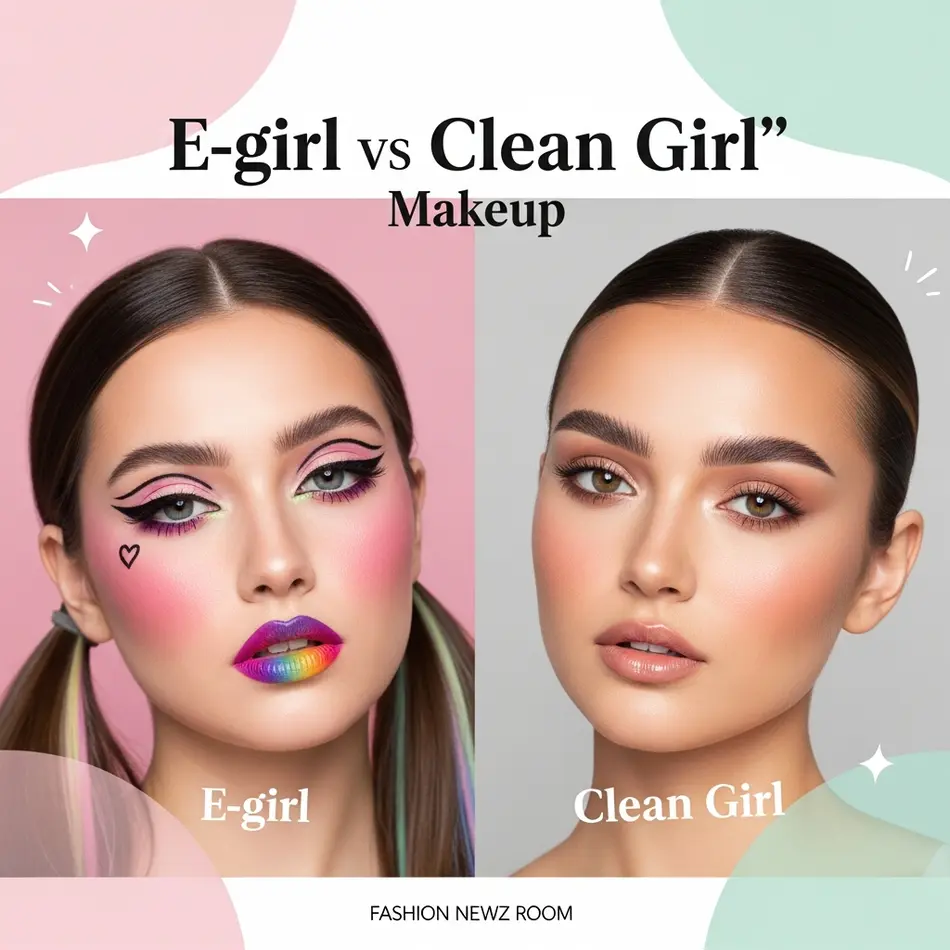
Let’s be honest, eyebrows are having a major moment. Gone are the days of ultra-thin, meticulously sculpted arches; the coveted look now is all about Natural Fluffy Eyebrow goodness – those full, soft, brushed-up brows that frame the face with effortless chic. But if years of overzealous tweezing, aging, or just plain genetics have left your brows looking a little sparse, you might be desperately scrolling through miracle cures. The burning question remains: Can you actually make your eyebrows thicker naturally, without resorting to microblading, serums packed with prostaglandins, or transplants? The answer is a hopeful, nuanced “yes,” but it requires patience, consistency, and managing expectations. Achieving those dreamy Fuller Natural Looking Eyebrows isn’t about overnight magic; it’s about nurturing your brow hairs from the inside out and adopting smart grooming habits that encourage their best possible growth. Let’s dive into the real, evidence-backed strategies.
Key Elements:
- Core Question: Can eyebrows be thickened naturally?
- Focus: Natural methods (nutrition, lifestyle, grooming, topical oils).
- Tone: Encouraging, realistic, informative, conversational.
- Goal: Empower readers with actionable, safe strategies for healthier, fuller brows.
- Honesty: Manages expectations (genetics, time, limitations).
- Avoids: Miracle cures, unsubstantiated claims, excessive focus on expensive procedures.
Understanding Your Eyebrows: It’s All About the Growth Cycle
Table of Contents

Before we jump into solutions, it’s crucial to understand what we’re working with. Eyebrow hairs, like all hair on your body, go through a distinct growth cycle with three main phases:
- Anagen (Growth Phase): This is the active period where the hair follicle is producing new hair. For eyebrows, this phase is frustratingly short – typically only 30-45 days. This is why they don’t grow as long as the hair on your head!
- Catagen (Transition Phase): Growth stops, and the hair follicle shrinks. This lasts only a couple of weeks.
- Telogen (Resting Phase): The old hair rests in the follicle before eventually shedding to make way for a new anagen phase. This phase can last several months.
The key to thicker-looking brows lies in two things: supporting as many hairs as possible to stay in the anagen (growth) phase for their maximum duration and ensuring the hairs that do grow are as healthy and robust as possible. Factors like aging, nutritional deficiencies, stress, hormonal changes (like thyroid issues), and physical damage (over-plucking, harsh products) can disrupt this cycle, pushing more hairs into the telogen phase prematurely or weakening the hair shaft itself. Think of it like tending a garden – you need the right conditions for seeds to sprout and seedlings to grow strong.
The Golden Rule: Hands Off! Let Them Grow

This might seem obvious, but it’s the single most impactful step you can take immediately: Stop over-plucking! Seriously, put the tweezers down and step away from the magnifying mirror. Every hair you remove is one less hair contributing to that coveted fullness, and repeated plucking can potentially damage the follicle over time, making it harder for hair to regrow there at all. Commit to a strict “brow vacation.” This means:
- Resist the Temptation: Even that one annoying stray hair? Leave it! For now.
- Professional Shaping (Sparingly): If you absolutely need shaping, visit a highly reputable brow stylist. Explain your goal is to grow them out for Fuller Natural Looking Eyebrows. Ask them to only remove hairs that are wildly outside your natural brow shape, focusing on cleaning up the very edges, not reshaping the entire arch. Emphasize you want maximum hair left in place. Maybe just book a brow tint instead for definition without removal!
- Temporary Solutions: Use a good brow gel to train hairs upwards and cover minor gaps while you grow. Concealer can also help camouflage truly sparse areas during this awkward phase. Remember, this is temporary pain for long-term fluffy gain.
Imagine your brows are a delicate meadow recovering from being trampled. Constant plucking is like pulling up wildflowers before they can spread their seeds. Giving them undisturbed time is essential for the ecosystem to rebound. You might be surprised how many “new” hairs were just waiting for a chance to emerge once the constant plucking stopped!
Nourishing from Within: You Are What You Eat (And So Are Your Brows!)

Just like the hair on your head, your eyebrow hairs thrive on proper nutrition. Hair follicles are metabolically active and require a steady supply of specific vitamins, minerals, and proteins to function optimally and produce strong, healthy hairs. While no single food will magically sprout new brows overnight, a consistently balanced diet rich in these key players provides the essential building blocks:
- Biotin (Vitamin B7): Often touted as the hair vitamin, biotin is crucial for keratin production (the protein hair is made of). Find it in eggs, nuts (almonds, walnuts), seeds (sunflower, chia), sweet potatoes, and salmon. While deficiency can cause hair loss, mega-dosing if you’re not deficient likely won’t speed things up significantly. Focus on dietary sources.
- Protein: Hair is primarily made of keratin, a protein. Ensure adequate intake from lean meats, poultry, fish, beans, lentils, tofu, and dairy. Your body can’t build strong brow hairs without the raw materials!
- Iron: Iron deficiency anemia is a well-known cause of hair loss, including eyebrow hair. Boost iron with red meat, spinach, lentils, fortified cereals. Pair plant-based iron sources with vitamin C (citrus fruits, bell peppers) for better absorption.
- Omega-3 Fatty Acids: These healthy fats nourish hair follicles and support scalp (and by extension, brow) health, reducing dryness and brittleness. Load up on fatty fish (salon, mackerel, sardines), flaxseeds, chia seeds, and walnuts.
- Vitamins A, C, D, and E: These play roles in cell growth, collagen production (supporting follicles), antioxidant protection, and overall skin health. Think colorful fruits and vegetables, citrus, nuts, seeds, and healthy oils.
- Zinc: Important for hair tissue growth and repair. Found in oysters, beef, pumpkin seeds, and lentils.
Think of your body as a construction site. To build a sturdy house (or a thick eyebrow hair), you need high-quality bricks (protein), skilled workers (vitamins and minerals), and good blueprints (your DNA). Skimping on nutrition is like trying to build with subpar materials – the result won’t be as strong or resilient. A diet consistently lacking in these nutrients can leave your brows looking finer and more lackluster. Consider consulting a doctor or registered dietitian if you suspect a significant deficiency might be contributing to thinning brows.
The Power of Topical Nourishment: Oils and Gentle Care

While what you eat is foundational, what you put on your brows can support the health of the existing hairs and create an optimal environment for growth. The goal here isn’t necessarily to “stimulate” new follicles magically (though some ingredients may support follicle health), but primarily to:
- Moisturize and Condition: Prevent dryness and brittleness, reducing breakage. A broken hair halfway down the shaft makes the brow look thinner.
- Strengthen the Hair Shaft: Making hairs more resilient.
- Potentially Improve Blood Flow: Delivering more nutrients to the follicles.
Popular natural options include:
- Castor Oil: The reigning champion of DIY brow growth. Rich in ricinoleic acid (a fatty acid), it’s believed to have anti-inflammatory properties and may improve circulation. Its thick consistency also coats the hair, making it appear thicker and shinier instantly, while potentially reducing breakage. Apply a tiny amount (seriously, a dab!) with a clean spoolie or cotton swab nightly. Important: Use cold-pressed, hexane-free castor oil. Patch test first! It’s thick and sticky, so less is more. While robust clinical trials specifically for brow growth are limited, its moisturizing and potential follicle-supporting properties make it a popular and low-risk choice. Many report healthier, stronger-looking brows with consistent use.
- Coconut Oil: A fantastic moisturizer and penetrates the hair shaft well, potentially reducing protein loss. Great for conditioning dry, brittle brows. Use similarly to castor oil, but it’s lighter and less sticky.
- Olive Oil: Rich in antioxidants and squalene, it nourishes and moisturizes the hair and skin. Another good conditioning option.
- Aloe Vera Gel: Soothes the skin, provides hydration, and contains enzymes that might promote a healthy scalp environment. Can be soothing if your brow skin is irritated.
How to Apply Topicals:
- Cleanse: Ensure brows are clean and free of makeup.
- Less is More: Dip a clean spoolie brush, angled liner brush, or cotton swab into your chosen oil. Wipe off excess – you want just a light coating.
- Brush Through: Gently brush the oil through your brows, coating the hairs from root to tip. Avoid getting too much on the surrounding skin to prevent clogged pores.
- Overnight Treatment: Leave it on overnight.
- Morning Cleanse: Gently cleanse the area in the morning.
- Consistency is Key: Do this nightly for at least 2-3 months to see potential results. Patience is essential!
Gentle Cleansing Matters Too: Avoid harsh soaps or vigorous rubbing when cleansing your face. Treat your brow area with care to prevent unnecessary hair loss or irritation.
Brow Grooming: Working With What You Have

While you’re growing and nurturing, smart grooming techniques can make your brows appear instantly thicker and fuller, maximizing the impact of the hairs you do have. This is where you create that sought-after Natural-Looking Fuller Eyebrow illusion:
- Find Your Natural Shape: Put down the stencil! The most flattering brows follow your unique bone structure. Let them grow wild for a few weeks, then assess. Your natural arch is usually where your brow bone protrudes most. A good brow artist can help identify this if you’re unsure.
- Brushing is Your Best Friend: A clean spoolie brush is essential. Brushing your brows upwards instantly creates a fuller, fluffier look by revealing more hair and adding volume. Do this before applying any product.
- Choose the Right Filling Products: Avoid harsh, solid lines.
Brow Pencils: Opt for ultra-fine, waxy pencils in a shade slightly lighter than your natural brow hair for the most natural look. Use feather-light, hair-like strokes only where needed, focusing on sparse areas. Avoid outlining the entire brow.
Powders: Offer a softer, more diffused look. Use a small, angled brush and build color gradually, pressing the powder onto the skin beneath the hairs in sparse spots, not on top of the hairs.
Brow Gels: These are MVPs for the fluffy look. Clear gels hold hairs in place. Tinted gels add subtle color and definition while holding. Fiber gels contain tiny fibers that cling to existing hairs, making them look thicker instantly – use sparingly! Apply by brushing upwards and outwards.
- The Power of Soap Brows: This viral technique uses a dab of clear, glycerin-based soap (often applied to a spoolie) to provide extreme, long-lasting hold, keeping brows brushed straight up for maximum fluffiness. Great for special occasions or stubborn hairs. Test the soap on your skin first to avoid irritation.
- Tinting: If your brow hairs are light or sparse, professional tinting can make the existing hairs dramatically darker and more visible, creating an illusion of thickness. Choose a shade close to your natural hair color for the most believable result.
The trick is to enhance, not mask. Think of it like styling fine hair on your head – you use techniques (blow-drying upside down, volumizing products) to maximize the appearance of fullness. Your brows deserve the same strategic approach! You can find fantastic tutorials and product reviews on reputable beauty sites like Fashion Newz Room for the latest techniques.
Addressing Common Brow Challenges

The journey to thicker brows isn’t always smooth sailing. Here’s how to tackle some frequent hurdles:
- Patchy Brows or Bald Spots: These can be particularly stubborn. While consistent application of oils and good nutrition might eventually encourage growth, they often take the longest to respond, if they do at all. Focus on camouflage techniques (gentle filling) and be patient. If a spot is completely hairless for years, it might indicate a permanently damaged follicle, where natural regrowth isn’t possible.
- Over-Plucked Brows (The 90s Effect): This is a long game. You’ve likely caused significant trauma to follicles over time. Commit fully to the “hands-off” approach for at least 6 months to a year. Support growth with oils and nutrition. Manage expectations – regrowth might be uneven initially. Professional microblading or nano-stroking could be considered later for semi-permanent filling of truly bare areas, but it’s not “natural” growth.
- Thinning Due to Aging or Hormones: As we age, hair growth naturally slows, and hairs can become finer. Hormonal shifts (menopause, thyroid issues) can also trigger shedding. Focus on supporting overall health: manage stress (high cortisol impacts hair growth), ensure good nutrition, discuss hormone levels with your doctor, and be extra diligent with gentle care and conditioning. Results may be more about maintaining existing thickness rather than dramatic regrowth.
- Sparse Brows from Genetics: If your brows have always been fine, genetics are playing a strong role. You likely won’t transform into Brooke Shields naturally. Focus on maximizing the potential of your existing hairs through the methods above (nutrition, oils, grooming) to achieve the fullest, healthiest version your brows can be. Embrace your unique brow shape!
Remember, everyone’s brows are different. What works wonders for one person might have minimal effect for another. Listen to your brows and be kind to yourself throughout the process.
Patience & Persistence: The Non-Negotiables

This is arguably the hardest part. Natural brow growth is a marathon, not a sprint. Why?
- The Hair Cycle is Slow: Remember that short anagen phase? It means visible changes take time. Eyebrow hairs grow roughly 0.14 mm per day. You’re not going to see dramatic length overnight.
- Consistency is Crucial: Applying oil sporadically or eating well for a week won’t cut it. Your hair follicles need sustained support. Aim for nightly oil application and consistent dietary habits for at least 3 months before seriously evaluating results. Six months to a year is a more realistic timeframe for significant changes, especially if recovering from over-plucking.
- Manage Expectations: Genetics play a huge role. You can optimize your brows’ health and fullness, but you can’t fundamentally change your genetic blueprint. Aim for your best possible brows, not someone else’s. Natural methods are about enhancement and health, not necessarily creating density you were never genetically predisposed to have.
Think of it like growing a plant from seed. You wouldn’t expect a towering oak tree in a month. You plant the seed, provide consistent water and sunlight (nutrition and care), protect it (hands off!), and wait patiently, trusting the natural process. Document your journey with monthly photos – sometimes the subtle changes are hard to notice day-to-day, but comparing photos over time can reveal real progress and keep you motivated.
When Natural Methods Aren’t Enough: Exploring Other Options

While this guide focuses on natural approaches, it’s honest to acknowledge their limits. If, after consistent effort for 6-12 months, you see minimal improvement, or if you have significant scarring or permanent hair loss, other options exist. These aren’t “natural” in the sense we’ve discussed, but they are solutions:
- Prescription Brow Serums: Products containing bimatoprost or latanoprost (originally glaucoma medications) are FDA-approved for eyelash growth and sometimes used off-label for brows. They can be highly effective in stimulating growth and darkening hairs by extending the anagen phase. However: They require a prescription, can be expensive, and potential side effects include eye irritation, darkening of the eyelid skin, and (crucially) the results often reverse if you stop using the product. Discuss thoroughly with a dermatologist.
- Brow Tinting & Lamination: As mentioned earlier, these are cosmetic enhancements. Tinting darkens existing hairs. Lamination perms the brows, setting them in a brushed-up position for a dramatically fuller, fluffier look that lasts 4-8 weeks. Great for maximizing what you have.
- Microblading, Ombre Brows, Nano Stroking: These are forms of semi-permanent makeup performed by a trained technician. Pigment is implanted into the skin to mimic the appearance of hair strokes or soft powder. Results typically last 1-3 years. This is an excellent solution for filling scars, bald spots, or creating shape where hair is completely absent. Crucially: Do extensive research to find a highly skilled and reputable artist. Poor technique can lead to unnatural, botched results. It’s an investment.
- Eyebrow Transplants: A surgical procedure where hair follicles (usually taken from the back of the scalp) are transplanted to the brow area. This is the most permanent solution but also the most invasive and expensive. Results take time to grow in and require careful shaping. Best suited for significant hair loss.
The decision to explore these options is personal. Natural methods should always be the first line of defense for improving brow health and encouraging your own growth. If you choose alternatives, do so with realistic expectations and by consulting qualified professionals.
Embracing Your Unique Brows: Confidence is Key

Ultimately, the most beautiful brows are healthy ones that frame your face. While achieving Fuller Natural Looking Eyebrows is a fantastic goal, it’s equally important to embrace the brows you have. Trends come and go – remember the pencil-thin brows of the 2000s? Today’s fluffy look might evolve tomorrow. What endures is the confidence that comes from healthy hair and a shape that complements your features.
Focus on nurturing your brows with care and patience. Celebrate the small victories – noticing a few new baby hairs, seeing less breakage, mastering that perfect fluffy brush-up with gel. If you’ve committed to the natural route, trust the process. And if your brows are naturally finer, learn to work with them beautifully using the grooming techniques discussed. Thick, thin, arched, or straight – well-groomed, healthy brows that suit your face are always in style. True beauty often lies in individuality, not conformity.
The Takeaway: Your Natural Fluffy Brow Journey
So, can you make your eyebrows thicker naturally? Yes, you absolutely can improve their thickness, health, and overall appearance through consistent natural methods. The path involves a holistic approach: rigorously protecting your brows from further damage (put those tweezers away!), nourishing your body from the inside with a hair-friendly diet, supporting the follicles and hairs topically with oils like castor oil, and mastering grooming techniques that enhance your natural fullness to create that Natural-Looking Fuller Eyebrow effect. It’s about creating the optimal conditions for your brows to thrive at their genetic potential.
However, embrace realism. Natural growth takes significant time (think months, not weeks) and unwavering consistency. Genetics set the ultimate ceiling for your brow density. Be patient, document your progress, and celebrate the health of your brows along the way. If, after dedicated effort, you desire more dramatic results, consult a dermatologist or reputable permanent makeup artist about safe, effective options. But start with nature’s toolbox – you might be pleasantly surprised by the resilience and beauty your own brows can achieve with a little dedicated TLC. Here’s to your healthiest, fluffiest brows yet!