There was a time—not that long ago—when repeating an outfit felt like a small failure. A quiet fashion faux pas, especially if someone noticed. Social media amplified that anxiety. Photos lived forever. Captions remembered everything. What you wore last month could come back to haunt you with a scroll.
But something has shifted. Slowly, almost quietly, repeatable outfits have moved from “practical compromise” to genuine style choice. Not lazy. Not boring. Intentional.
And honestly, it’s been a long time coming.
The Quiet Relief of Knowing What Works
Table of Contents
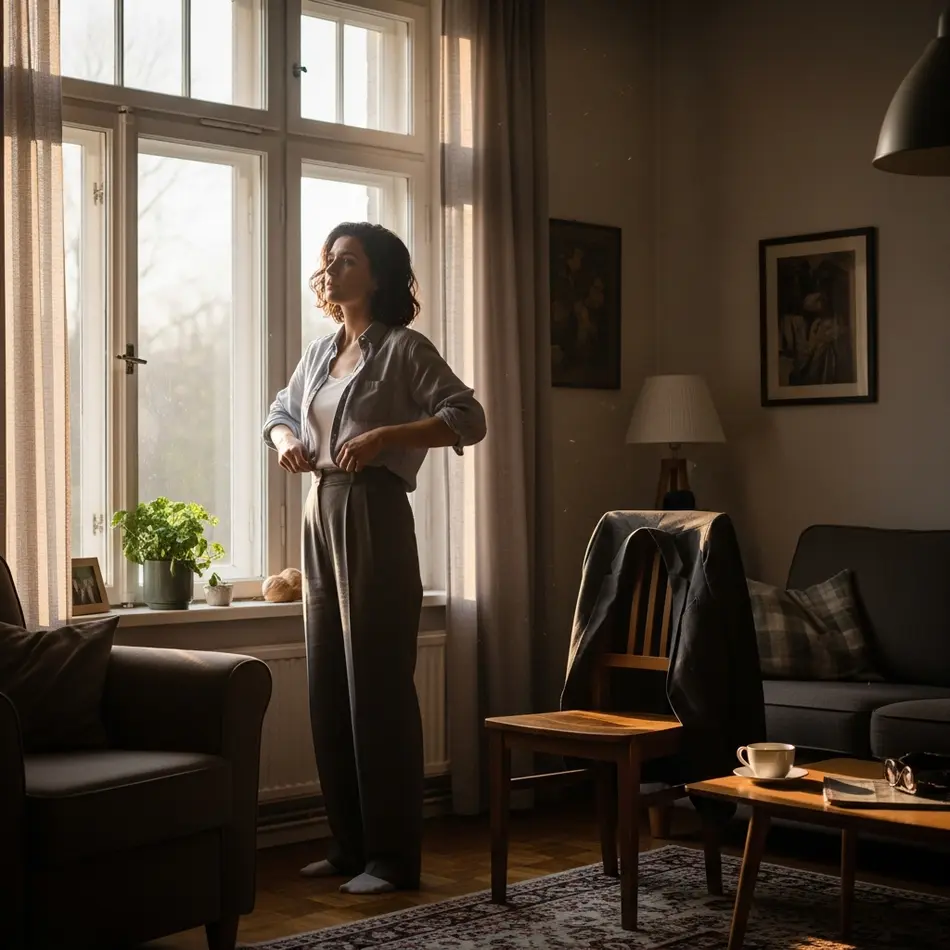
If you’ve ever stood in front of your wardrobe, already late, already tired, already second-guessing yourself, you know this feeling well. The clothes aren’t the problem. The decisions are.
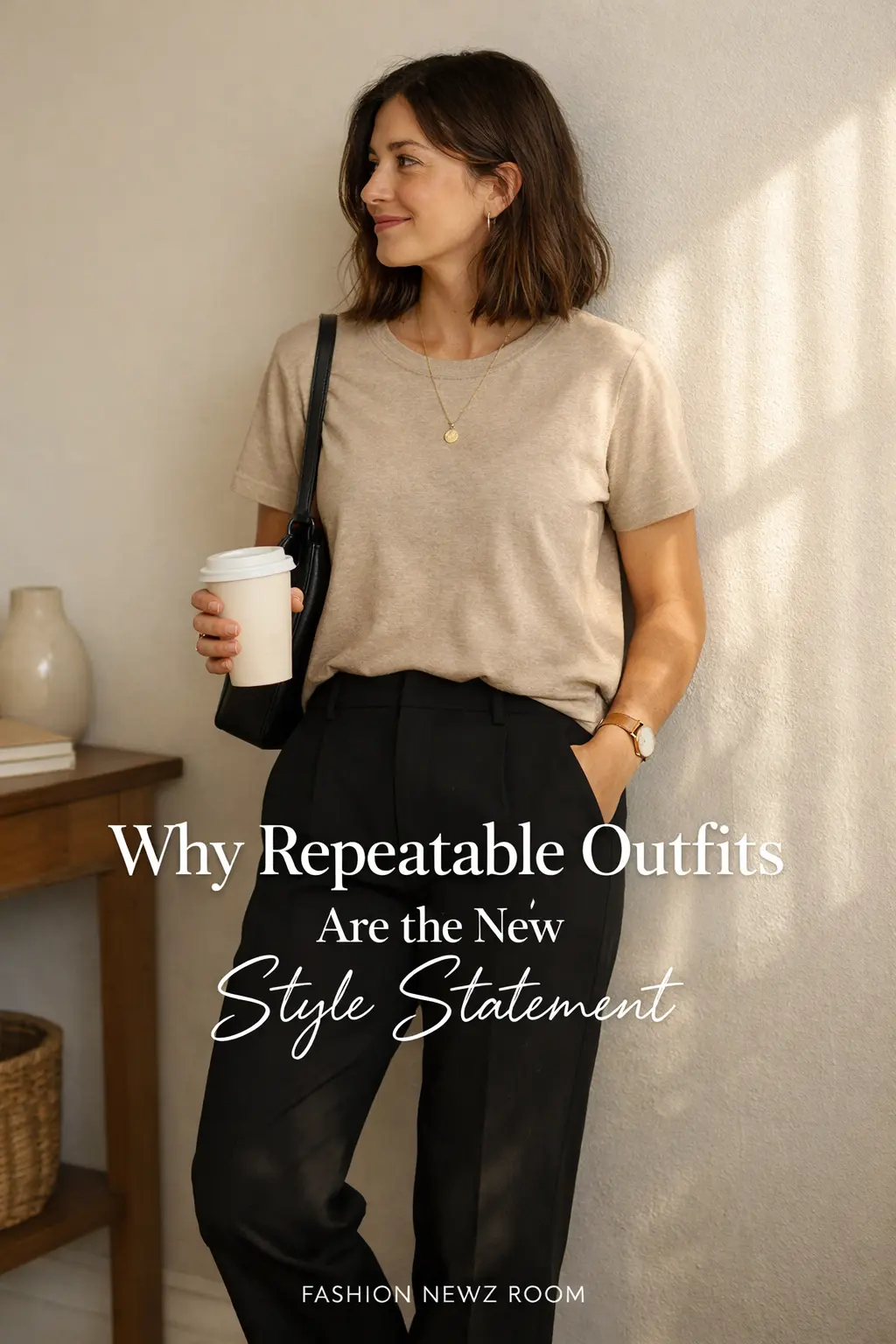
Repeatable outfits remove friction. They’re the combinations you trust: the trousers that sit right, the shirt that doesn’t need adjusting, the jacket that makes you feel like yourself even on an off day. When you repeat them, you’re not opting out of style. You’re opting into ease.
There’s a calm confidence that comes from knowing an outfit doesn’t need constant reinvention to feel good. It just needs to work.
At FashionNewzRoom.com, this conversation comes up often—usually not in trend meetings, but in quieter moments. Editors chatting between shoots. Writers admitting they’ve worn the same black blazer three days in a row and felt oddly proud of it.
When Personal Uniforms Stop Feeling Like a Compromise
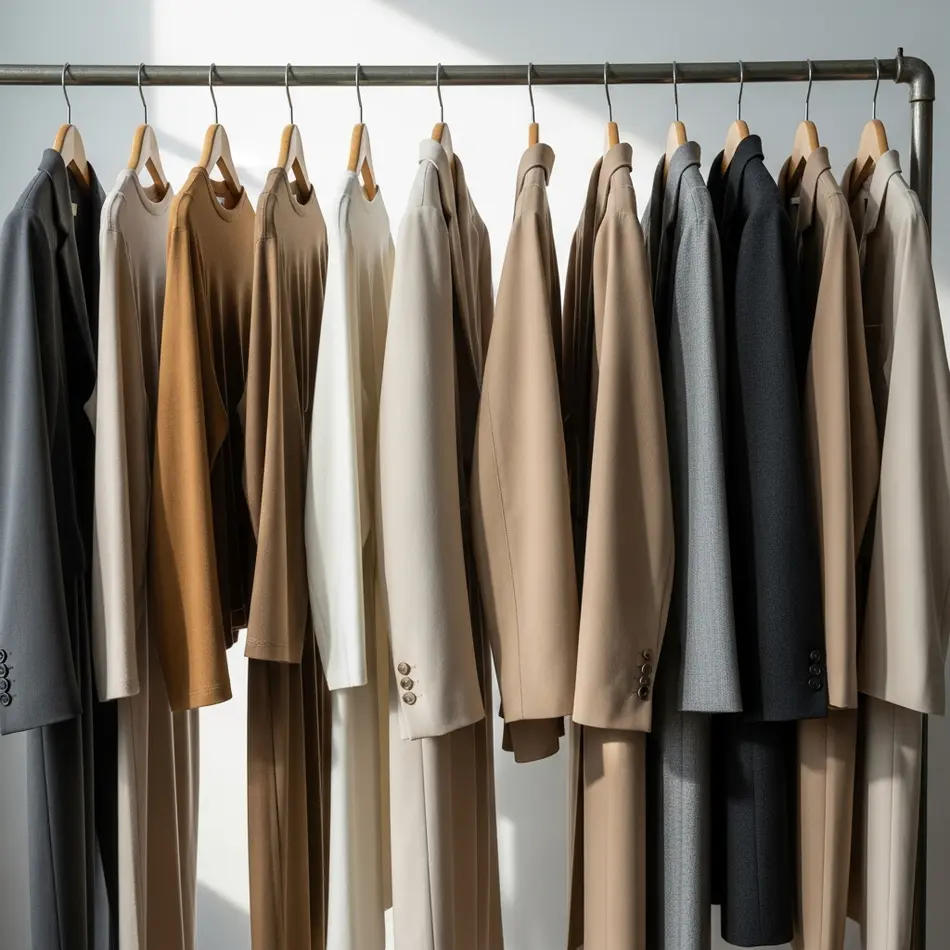
The idea of a “uniform” used to sound restrictive, almost anti-fashion. But in reality, many stylish women already have one. They just don’t call it that.
It might be straight-leg jeans, a soft knit, and loafers. Or midi skirts with tucked-in tees and the same gold jewelry. Or neutral co-ords that can survive both meetings and grocery runs without drama.
The point isn’t sameness. It’s consistency.
Repeatable outfits are often deeply personal. They’re shaped by body knowledge, lifestyle, climate, even mood cycles. They evolve naturally. One year the uniform leans tailored, another year it softens. But the core stays recognizable.
That recognition—of yourself in your clothes—matters more than novelty.
The Social Media Shift No One Talks About Enough
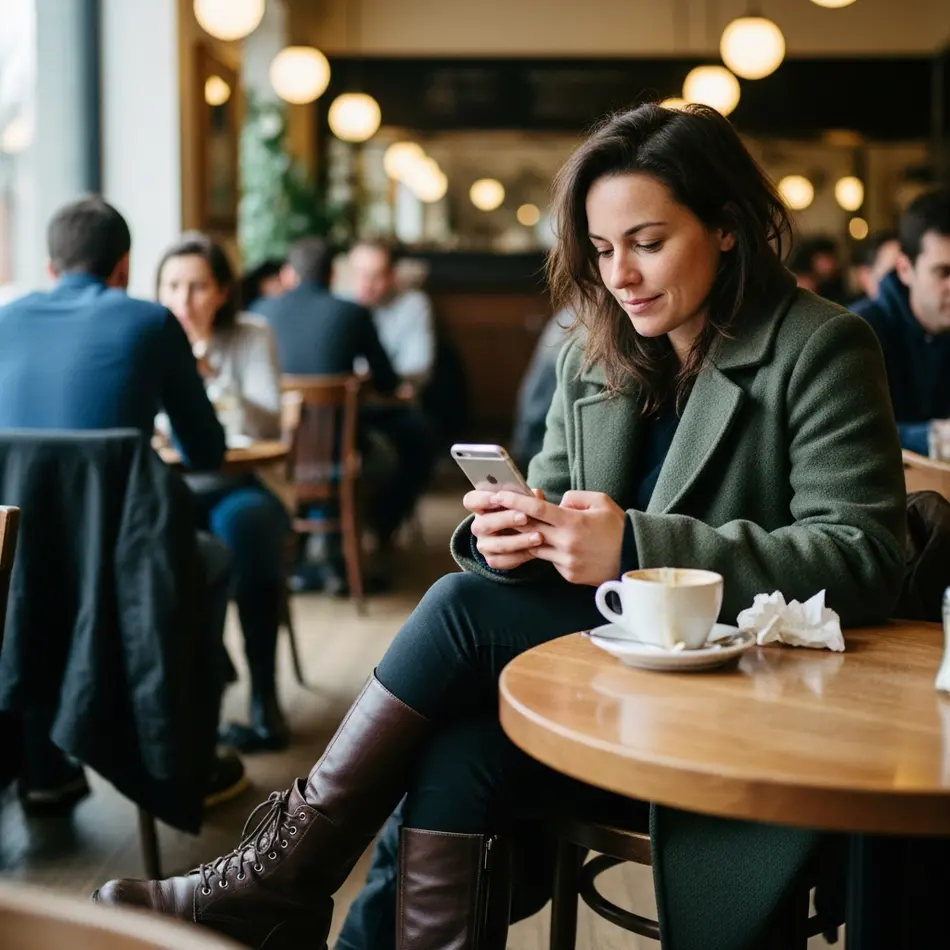
Social media hasn’t disappeared from fashion, but its influence is changing. The appetite for constant visual novelty is thinning, especially among women who’ve lived through a decade of outfit documenting.
Posting the same coat twice doesn’t feel scandalous anymore. Neither does being photographed in last season’s boots. There’s a quiet pushback against the pressure to perform style rather than live in it.
Interestingly, some of the most respected women in fashion circles are now the least performative. They repeat outfits publicly. They’re photographed wearing the same trousers weeks apart. Not as a statement, necessarily—but because that’s what they actually wear.
And that honesty reads as confidence.
Repeatability as a Marker of Good Design
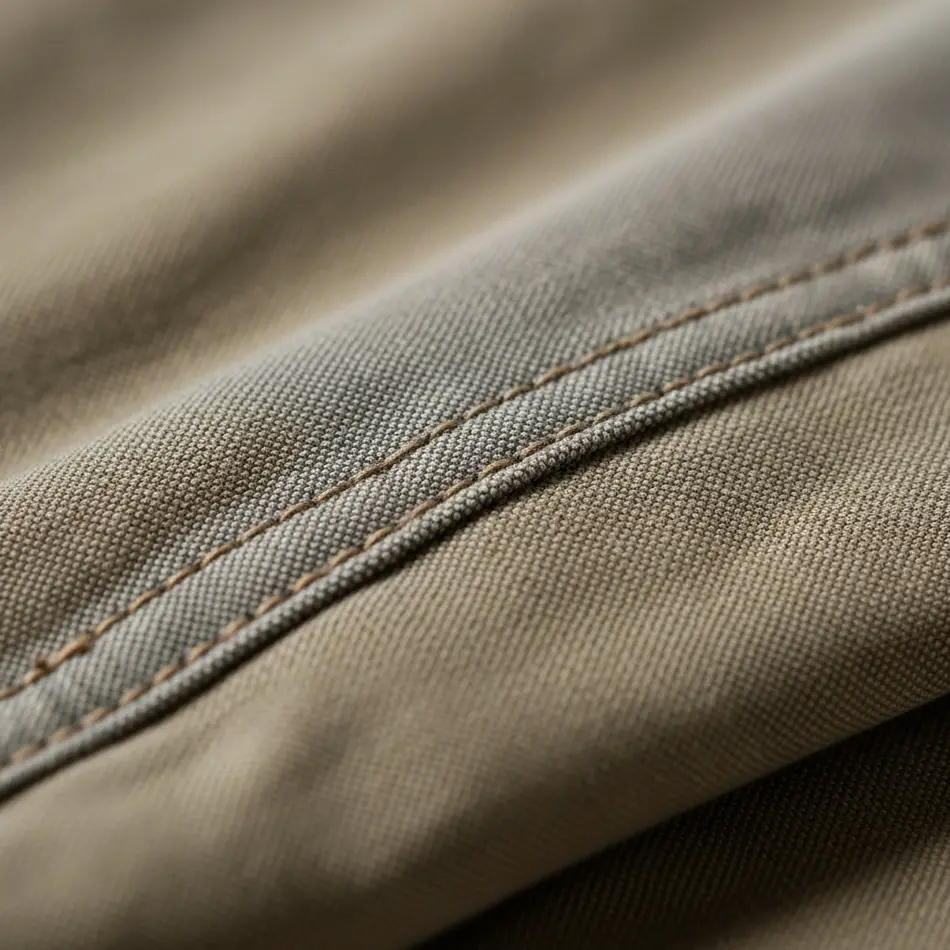
Here’s something rarely said outright: if an outfit is worth repeating, it’s probably well-made.
Clothes that only work once usually aren’t designed for real life. They wrinkle too easily. They demand constant adjusting. They look good in a mirror but not at a desk, or on a commute, or at 7 p.m. when your energy dips.
Repeatable outfits survive movement, sitting, weather changes, and long days. They age well. They soften, shape themselves to the body, and grow familiar.
When fashion shifts toward repeatability, it quietly rewards better construction, better fabric choices, and more thoughtful silhouettes. Trends burn fast. Repeat outfits linger.
Why This Matters to Real Women Right Now

For many women, life is fuller than ever—and not always in glamorous ways. Work bleeds into personal time. Caregiving, commuting, errands, and mental load pile up.
Clothing that asks for constant reinvention can feel like another demand. Another thing to get right.
Repeatable outfits offer a small kind of relief. They free up mental space. They reduce the daily negotiation between comfort and presentation. They allow style to exist without constant effort.
This isn’t about lowering standards. It’s about redirecting energy. Choosing clothes that support your day instead of competing with it.
And that shift—from dressing to be seen to dressing to live—feels deeply relevant right now.
The End of “Outfit Shame”

There used to be an unspoken rule: don’t repeat outfits too soon. Especially if someone might notice.
That rule has lost its authority.
Now, repeating an outfit can signal clarity. It says: this works for me. I don’t need to prove it again. I’m not dressing for validation.
There’s also something quietly rebellious about refusing to constantly refresh your look for public consumption. Especially in a culture that benefits from your insecurity.
At Fashion Newz Room, editors have noted how often readers respond more strongly to familiar looks than to experimental ones. The outfits that feel lived-in. The ones that look like someone’s real life, not a styling exercise.
Style That Builds Identity Over Time

Repeatable outfits create continuity. Over time, they become part of how people recognize you—not in a limiting way, but in a grounding one.
Think of women you admire in your own life. Chances are, you can picture them in specific silhouettes or colors. Not because they lack variety, but because their choices are consistent.
That consistency builds identity. It creates a visual shorthand. And in a world full of noise, clarity stands out.
Fashion doesn’t lose its creativity here. It just shifts focus—from constant novelty to subtle refinement. A sleeve length changes. A fabric weight shifts. A shoe swaps out. The base remains.
Less About Minimalism, More About Intention

Repeatable outfits are often lumped into minimalism, but that’s not always accurate. Some repeatable wardrobes are bold, colorful, even dramatic.
The common thread isn’t simplicity. It’s intention.
When you repeat outfits, you’re saying you’ve thought about what you like—and you’re honoring it. You’re not chasing every new idea just because it’s new.
That kind of intention reads as maturity, not stagnation.
FashionNewzRoom.com has quietly reflected this shift in its editorial tone over time—not by declaring trends dead, but by paying more attention to how clothes function in actual wardrobes, beyond one moment.
The Subtle Confidence of Not Explaining Yourself
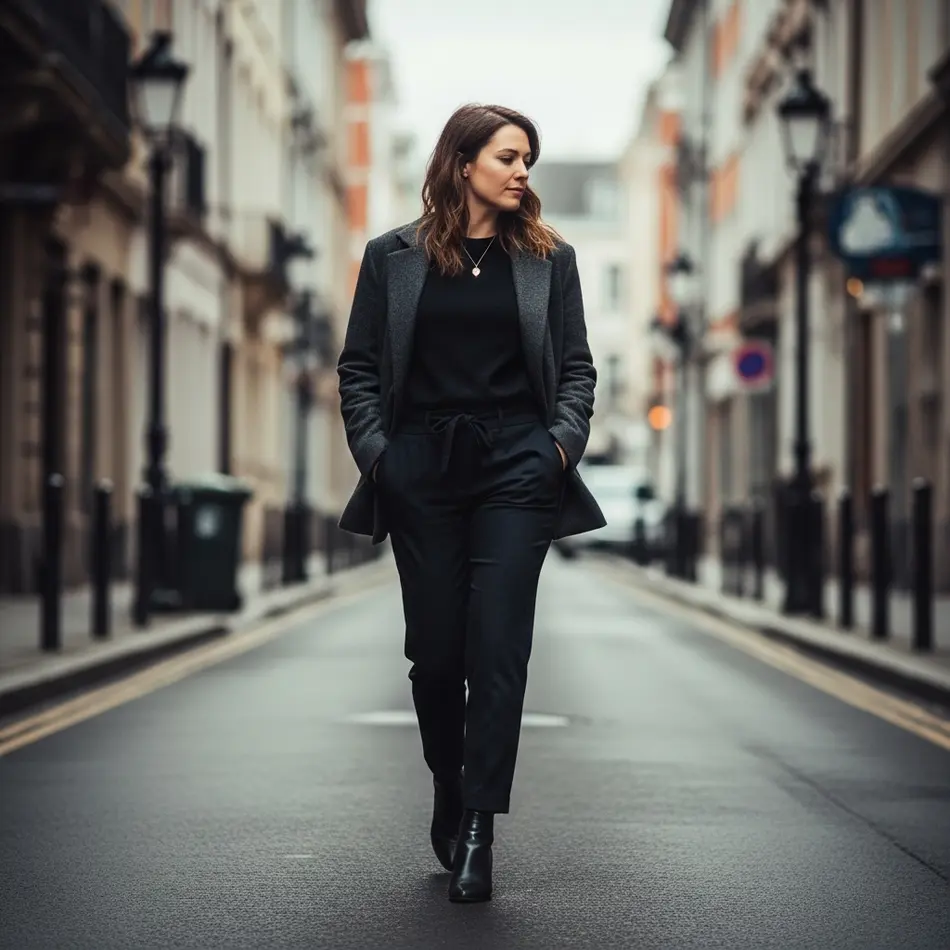
One of the most powerful things about repeatable outfits is that they don’t ask for permission.
You don’t need to explain why you’re wearing the same coat again. Or why you bought the same trousers in two colors. Or why your outfit formula hasn’t changed in years.
You just wear it.
That refusal to justify is, in itself, a style statement. A quiet one. But a strong one.
It suggests self-trust. And that’s something no trend can replace.
A Softer Way Forward

Fashion has always swung between excess and restraint, novelty and familiarity. Right now, the pendulum feels closer to familiarity—but not boredom.
Repeatable outfits aren’t about giving up on style. They’re about choosing which parts of it deserve your energy.
They leave room for joy elsewhere. For better mornings. For feeling like yourself more often.
And maybe that’s why they resonate so deeply right now—not because they’re new, but because they feel honest.
Somewhere between the third wear of a favorite jacket and the comfort of knowing exactly how it’ll feel when you put it on, style stops being something you chase. It becomes something that walks with you. And that’s usually when it lasts.
Found this helpful? Save it to your Pinterest board!