Valentine’s Day used to arrive loudly. Red roses stacked at grocery store entrances, prix-fixe menus promising romance in three courses, dresses purchased for one night and rarely worn again. Somewhere along the way, many women began quietly stepping back from that noise.
By 2026, the holiday feels different. Softer. Less about display and more about intention. Not because love matters less — but because the way women choose to express it has matured. What once leaned heavily on performance now leans toward comfort, meaning, and personal rhythm.
This shift isn’t sudden. It’s been unfolding slowly, visible in wardrobes, beauty routines, and even how February 14 is spent. And it’s worth paying attention to, because it reflects something deeper than changing trends.
When Romance Became Personal Again
Table of Contents
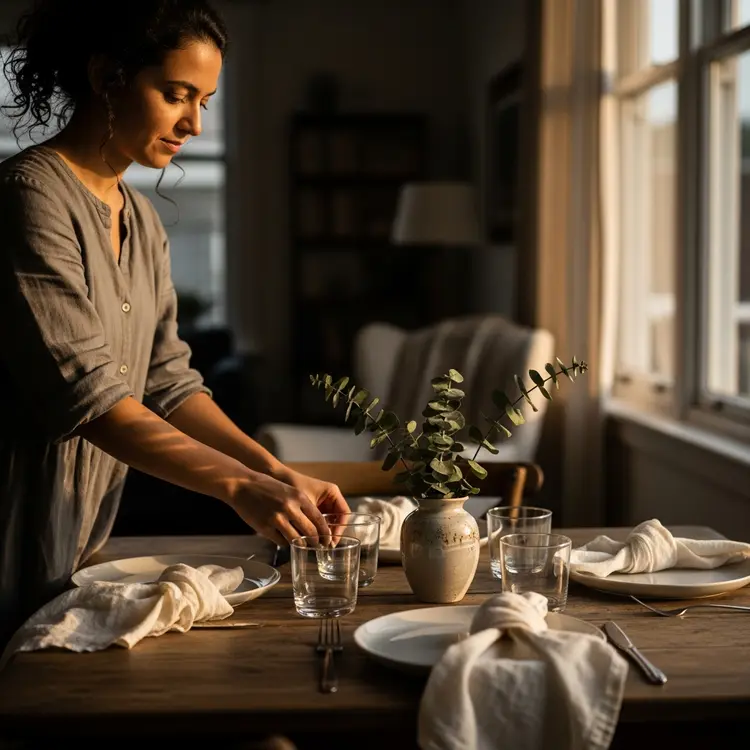
There’s a noticeable move away from public validation. Fewer curated restaurant photos. Less pressure to prove affection online. More private dinners, shared playlists, quiet evenings, solo rituals that still feel celebratory.
For many women, Valentine’s Day in 2026 is less about being seen and more about feeling right. A woman in New York choosing a cashmere sweater over a bodycon dress. Someone in Toronto skipping reservations entirely and cooking with her partner, hair still damp from an afternoon shower. A woman in Melbourne buying herself a new fragrance, not because it’s romantic, but because it feels like herself this season.
At Fashion Newz Room, this evolution has been evident across style stories and reader conversations. Romance hasn’t disappeared — it’s simply stopped asking for permission.
Style Without the Costume
There was a time when Valentine’s dressing came with unspoken rules. Red or pink. Heels, even if they hurt. Something “special,” even if it didn’t feel like you.
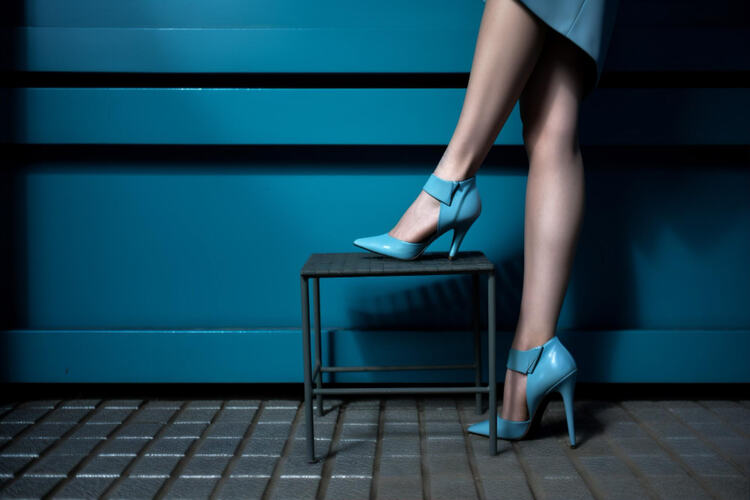
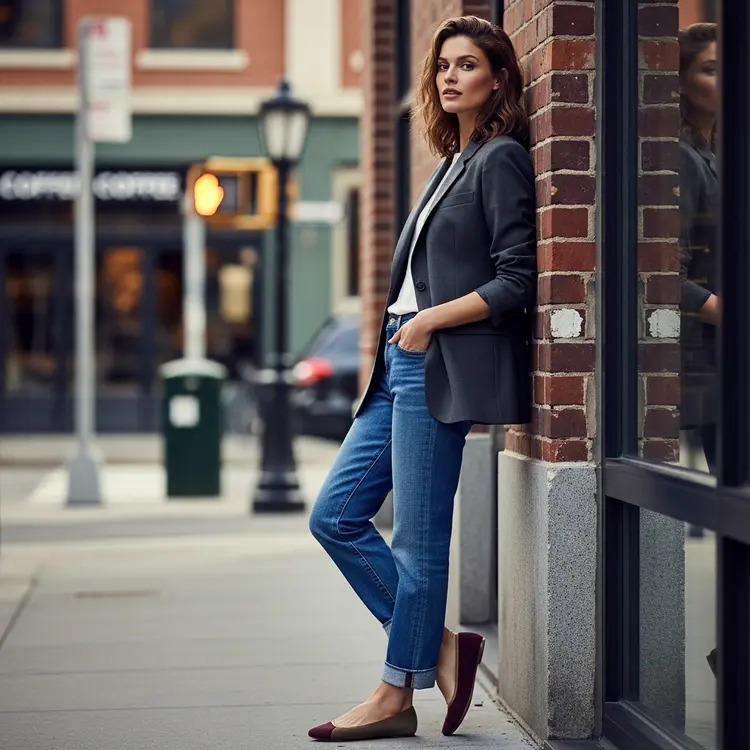
In 2026, style choices feel less symbolic and more honest. Women are dressing for how the evening will actually unfold. Soft tailoring instead of sequins. Flats instead of stilettos. A well-worn silk blouse that holds memory rather than novelty.
This isn’t minimalism as a trend. It’s refinement through experience.
A woman in her late twenties might wear vintage denim and a perfectly fitted black blazer to dinner because it feels grounding. A woman in her forties might reach for a dress she already owns — one that fits beautifully and doesn’t demand attention. There’s confidence in repetition now. In knowing what works.
The idea that Valentine’s Day requires a “look” has quietly dissolved.
Beauty That Respects the Day, Not the Algorithm
Beauty routines have followed the same trajectory. Heavy contouring and dramatic lashes feel increasingly out of step with the mood of the day. Not wrong — just unnecessary.
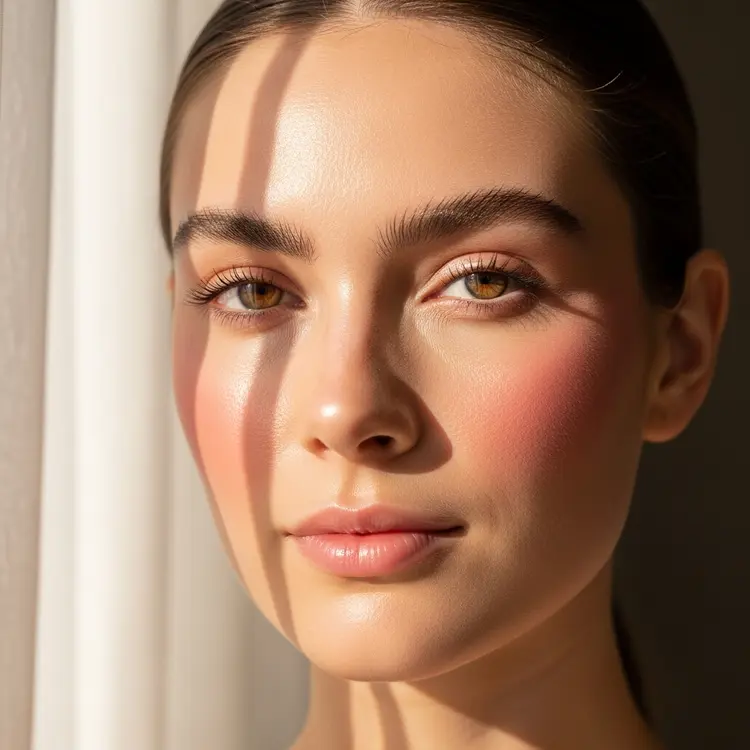
More women are choosing makeup that supports how they want to feel, not how they want to appear on camera. Tinted skin, brushed brows, lips that look like lips. Hair left natural, sometimes deliberately imperfect.
This approach shows up clearly in everyday moments. A woman applying her favorite cream blush in the mirror, pausing because the color reminds her of a winter sunset. Another skipping foundation entirely because she plans to walk after dinner and wants her skin to breathe.
Digital culture still exists, of course. But its grip has loosened. The need to perform romance online has faded, replaced by a quieter confidence.
Love That Includes the Self
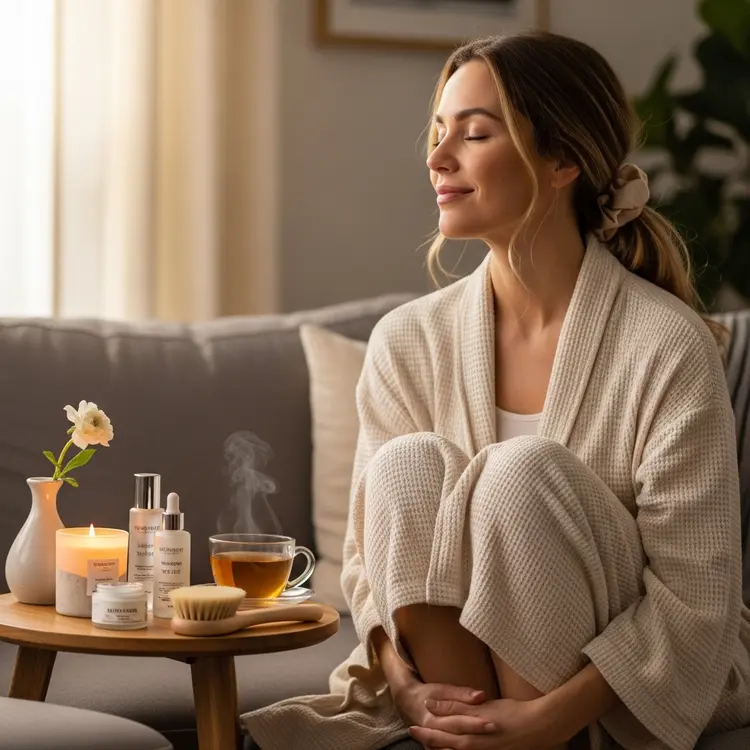
One of the most significant shifts is how openly women now include themselves in the definition of Valentine’s Day.
Self-love used to be framed as a replacement — something you did if you weren’t partnered. In 2026, it’s simply part of the equation. Being in a relationship no longer excludes personal rituals. Being single no longer requires explanation.
Women are booking massages, buying lingerie for comfort rather than seduction, spending evenings alone without apology. These choices aren’t framed as statements. They’re just normal.
At Fashion Newz Room, this has shaped how Valentine’s coverage feels — less about couple narratives, more about individual experience. Love isn’t a role anymore. It’s a spectrum.
Digital Culture, Grown Up
Social media hasn’t disappeared from Valentine’s Day, but it’s matured. Posts are fewer, quieter, less staged. When photos are shared, they tend to feel observational rather than declarative.
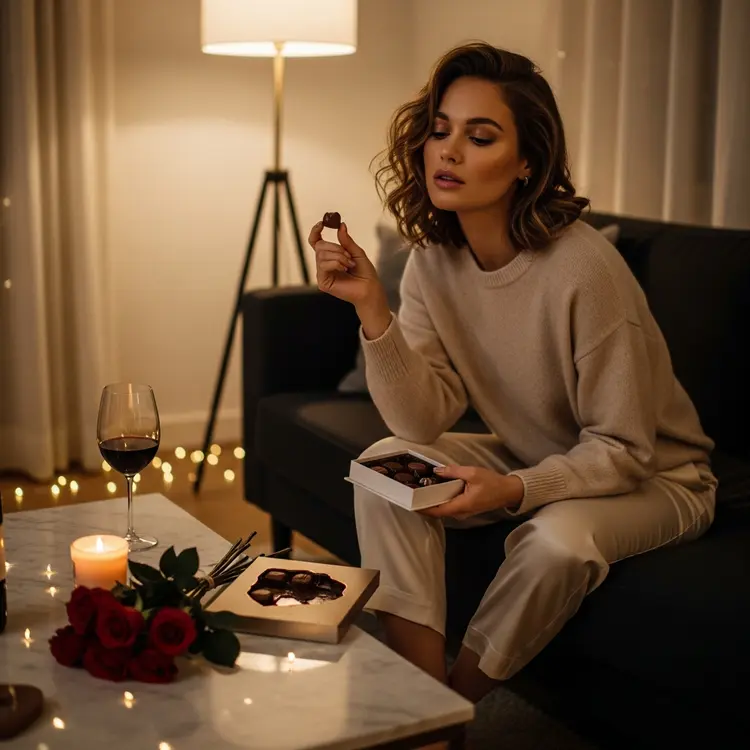
A candlelit table photographed mid-meal. A close-up of a knit sleeve wrapped around a mug. A caption that says almost nothing.
This subtlety reflects a broader cultural fatigue with spectacle. Women are increasingly aware of how much emotional labor performance requires — and how little it often gives back.
There’s relief in opting out.
Everyday Romance Still Counts
It’s easy to assume that simplicity means less romance. In practice, it often means more.
Romance shows up in small, unmarketable ways. Wearing a partner’s sweater because it’s warm. Sharing skincare products without comment. Sitting together on the couch after dinner, scrolling separately but close enough to touch.
These moments don’t fit traditional Valentine’s imagery, yet they feel deeply intimate.
A woman in Chicago mentioned once that her favorite Valentine’s memory wasn’t a gift or dinner, but the moment her partner quietly refilled her glass of water without interrupting the conversation. That kind of attentiveness doesn’t need a holiday — but the holiday can hold space for it.
Why This Shift Matters to Real Women
This quieter Valentine’s Day matters because it mirrors how women actually live now. Lives layered with work, family, self-awareness, and a deep understanding of what drains energy versus what restores it.
For many women, especially those balancing careers, caregiving, and personal identity, simplicity isn’t a lack. It’s a boundary.
The pressure to “make the day special” once added stress to an already full emotional calendar. Redefining the holiday removes that weight. It allows women to engage on their own terms — or not at all.
This isn’t about rejecting romance. It’s about refusing performance. And that distinction matters.
Fashion as a Reflection, Not a Requirement
The fashion industry has often told women how love should look. Valentine’s Day capsules. Heart motifs. Limited editions designed for impulse.
By 2026, women are less reactive to these cues. They still appreciate beauty, craftsmanship, and style — but they no longer feel obligated to participate.
A woman might buy a coat in February because she needs one, not because it’s themed. She might wear red because she likes it, not because the calendar says so.
This autonomy is subtle, but powerful.
The Role of Editorial Spaces
Editorial platforms play an important role in reflecting this evolution. When coverage acknowledges nuance — the emotional, practical, and aesthetic realities of women’s lives — it feels like recognition rather than instruction.
That’s why spaces like Fashion Newz Room matter. Not as trend authorities, but as observers. As places where women can see their own quiet choices mirrored back without judgment or exaggeration.
It’s not about redefining Valentine’s Day for everyone. It’s about allowing multiple definitions to coexist.
A Softer Ending to the Day
As Valentine’s Day in 2026 winds down, it doesn’t always end with fireworks. Sometimes it ends with skincare applied slowly. With clothes folded instead of dropped on the floor. With a book reopened where it was left.
There’s something deeply comforting in that.
Love doesn’t always announce itself. Sometimes it settles in, unnoticed, like good lighting or a favorite fabric against the skin. And maybe that’s the version worth holding onto.
Found this helpful? Save it to your Pinterest board!