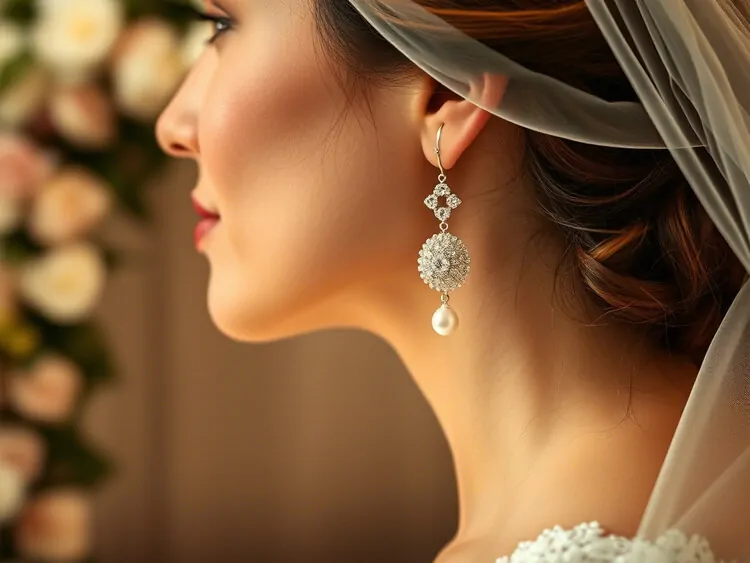
Bridal gown restoration is an essential process for anyone looking to preserve the beauty and sentimental value of their wedding dress. Over time, gowns can suffer from issues like yellowing, stains, tears, and fabric weakening that detract from their original elegance.
Professional bridal gown restoration services address these common problems with expert cleaning, repairs, and preservation techniques, ensuring your cherished dress remains stunning for years to come. Whether your gown is vintage or recently worn, restoration can bring it back to life and protect it as a timeless family heirloom.
1. Yellowing and Discoloration
Table of Contents
One of the most common problems affecting bridal gowns, especially those made from white or ivory fabrics, is yellowing. This yellow tint can appear on areas like the underarms, hems, or folds of the dress. Yellowing occurs due to oxidation—a chemical reaction involving exposure to air, body oils, and invisible stains like sweat or makeup that were not fully cleaned after the wedding.
How Restoration Helps:
Professional restoration experts use advanced cleaning technologies designed to remove these invisible contaminants safely. Solvent-based cleaning methods can reverse yellowing by breaking down the oxidation without damaging delicate fabrics. Whitening and brightening treatments may also be applied carefully to restore the gown’s original shade.
2. Stains and Spots
Visible stains from food, drinks, dirt, or makeup can mar the beauty of a bridal gown. Many of these stains become harder to remove over time as they set into the fabric fibers.
How Restoration Helps:
Specialized stain removal techniques target specific types of stains, such as wine, oil, or blood. Professional restorers assess the fabric type and stain nature before applying safe cleaning agents that lift stains without causing fabric weakening or color loss. The result is a cleaner, fresher-looking gown that’s ready for long-term preservation.
3. Fabric Weakening and Brittleness
Over the years of storage, fabrics can weaken, becoming brittle or fragile, especially in gowns made of silk, satin, or lace. Exposure to improper storage conditions like humidity, temperature changes, or harsh chemicals accelerates this deterioration.
How Restoration Helps:
During restoration, delicate fabrics are carefully inspected and treated to strengthen weakened areas. Skilled restorers may reinforce fragile sections with hidden stitches or support fabrics. This careful repair helps prevent further damage and ensures the gown remains wearable or display-worthy.
4. Tears and Rips
Tears, rips, or seam damage are unfortunately common, especially if a gown has been stored improperly or worn multiple times. Small tears can quickly worsen if left unrepaired.
How Restoration Helps:
Professional restoration includes expert sewing and mending techniques. Tears are repaired with invisible stitching that blends with the original fabric, restoring the gown’s structural integrity. In some cases, restorers may replace missing pieces of lace or fabric with matching materials to maintain the gown’s authentic look.
5. Loose or Missing Beads and Embellishments
Many bridal gowns feature intricate beadwork, sequins, appliqués, or embroidery that can loosen or fall off over time.
How Restoration Helps:
Restoration specialists carefully reattach loose beads and replace missing embellishments using techniques that preserve the original design. This detailed work requires skill and precision to ensure the gown looks as flawless as the day it was first worn.
6. Fading and Fabric Discoloration
Exposure to sunlight or artificial light during storage can cause fading or uneven discoloration on bridal gowns.
How Restoration Helps:
While light damage can be challenging to reverse fully, restoration treatments can often improve the gown’s overall appearance. Additionally, restorers use UV-protected packaging materials for long-term storage, helping prevent future fading.
7. Odors and Mildew
Improper storage in humid or poorly ventilated spaces can lead to unpleasant odors or mildew growth on the gown.
How Restoration Helps:
Restorers use specialized cleaning and deodorizing methods to eliminate odors without damaging the fabric. Mold and mildew are carefully treated, and gowns are dried under controlled conditions to prevent recurrence. Preservation packaging materials also help protect the gown from moisture.
Why Professional Restoration Matters
Attempting to fix these issues at home can lead to further damage. Household cleaners, bleach, or improper sewing can weaken fabrics or cause discoloration. Professional bridal gown restoration services offer expert care using industry-leading techniques and materials specifically designed for delicate, often vintage fabrics.
By entrusting your gown to skilled restorers, you ensure that stains, damage, and wear are addressed thoroughly and safely. Restoration not only revives your gown’s appearance but also prepares it for long-term preservation, allowing you to keep your wedding memories alive for years to come.
Final Thoughts
Bridal gowns are delicate treasures that deserve special attention. Common issues like yellowing, stains, tears, and bead loss can diminish their beauty but can be effectively addressed through professional restoration. By understanding these challenges and choosing expert restoration, you can preserve your gown’s elegance and sentimental value for generations.
If you want your bridal gown to remain a radiant symbol of your special day, restoration is an essential step in its care and preservation.