Valentine’s Day has a way of revealing where a woman is in her life—not through what she posts, but through what no longer moves her. By 2026, that realization feels less like a quiet personal shift and more like a collective one. The red roses still arrive. The prix-fixe menus still sell out. The algorithms still push sparkle and spectacle. And yet, many women glance at it all with a gentler distance.
Not boredom. Not bitterness. Just clarity.
There’s a noticeable calm now in how women are approaching February 14. The need to prove love—publicly, theatrically—has softened. What remains is something more personal, more deliberate, and frankly, more honest.
This isn’t about rejecting romance. It’s about redefining it on terms that feel lived-in rather than staged.
When the Loudest Gestures Stop Feeling Romantic
Table of Contents
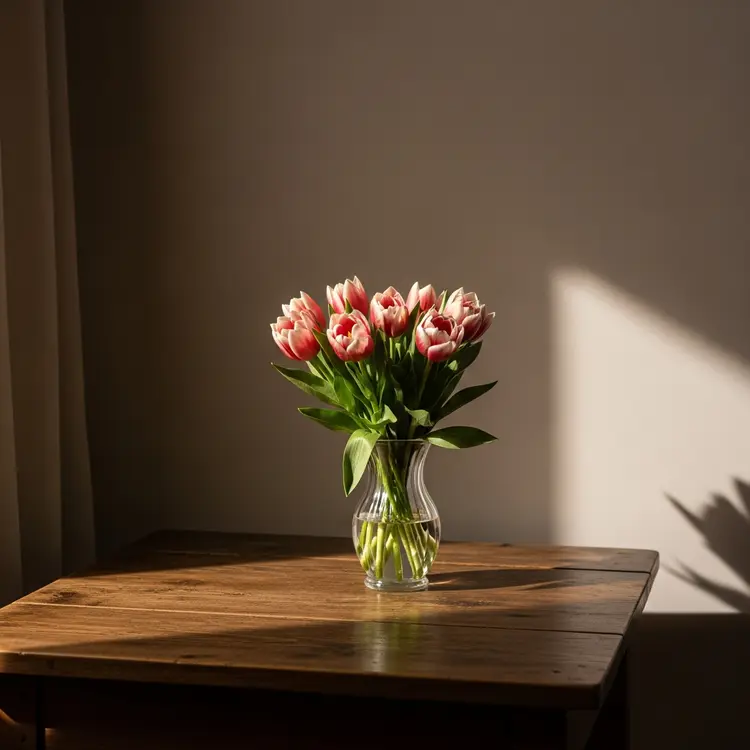
Somewhere between the third identical bouquet and the tenth identical dinner reservation, the shine wears thin. Many women recognize the moment not because they’ve “grown cynical,” but because repetition has stripped the illusion.
A friend once described it perfectly: “It’s not that I don’t like flowers. It’s that they feel like punctuation, not a sentence.”
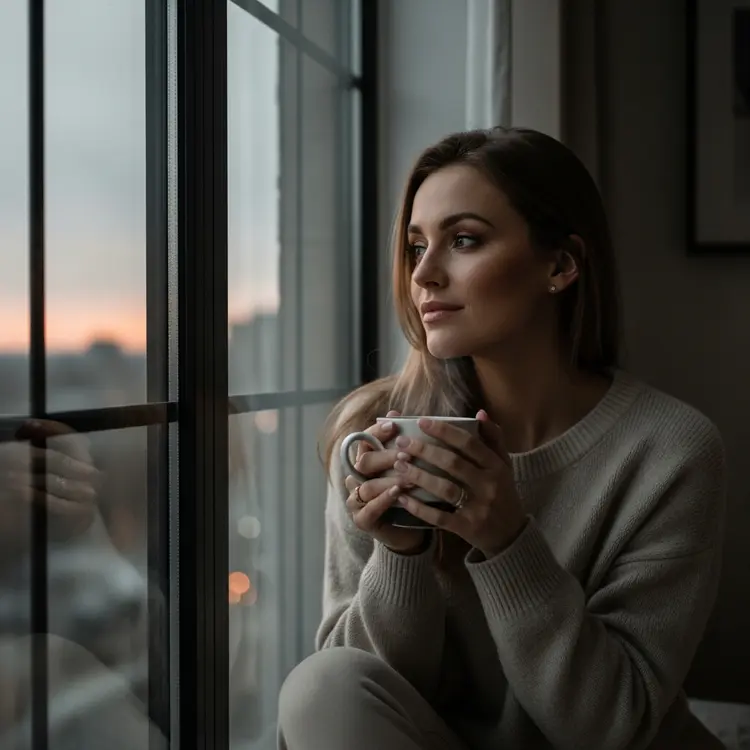
By your thirties—and certainly beyond—romance stops being about interruption and starts being about continuity. A quiet morning coffee made just the way you like it. A coat hung back on its hook. Someone remembering how you take your eggs without asking again.
These gestures don’t photograph well. They don’t trend. But they last.
At Fashion Newz Room, this shift has been showing up more clearly with every season—not just in what women wear, but in how they talk about meaning, intimacy, and choice.
Valentine’s Day Without the Performance
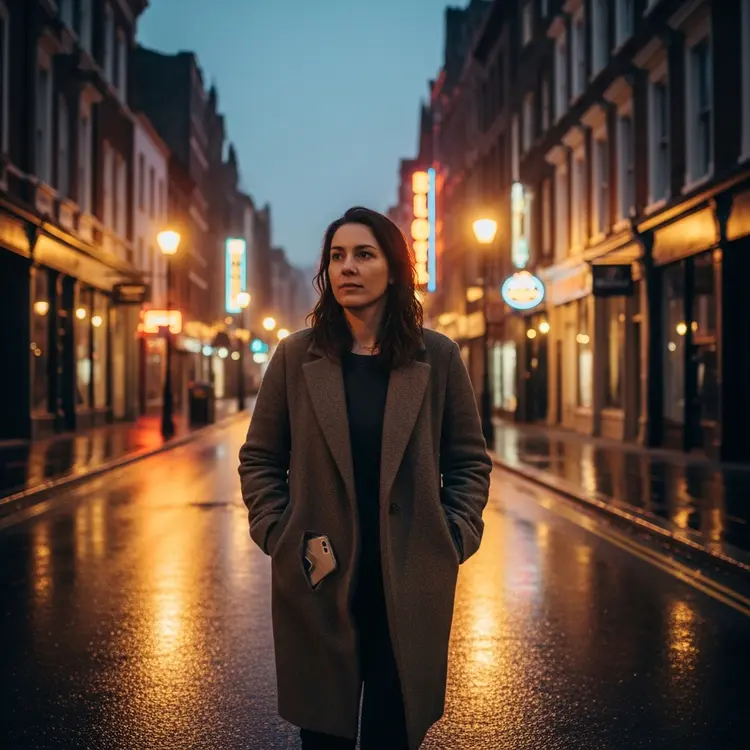
There was a time when Valentine’s Day felt like a public exam. Who posted first. Who tagged whom. Who received the “right” gift. That pressure hasn’t vanished entirely, but it’s lost authority.
Digital culture has matured alongside its users. Women are increasingly aware of how curated affection can feel hollow, even when it’s beautiful. The performance of love—especially online—has begun to feel like borrowed emotion.
Instead, many women are choosing privacy as a form of luxury.
You see it in smaller celebrations:
A solo dinner cooked slowly, without documenting it
A handwritten note kept off social media
A simple outfit worn for personal pleasure, not validation
Nothing about this is anti-romantic. It’s simply quieter.
Dressing for Yourself, Not the Occasion
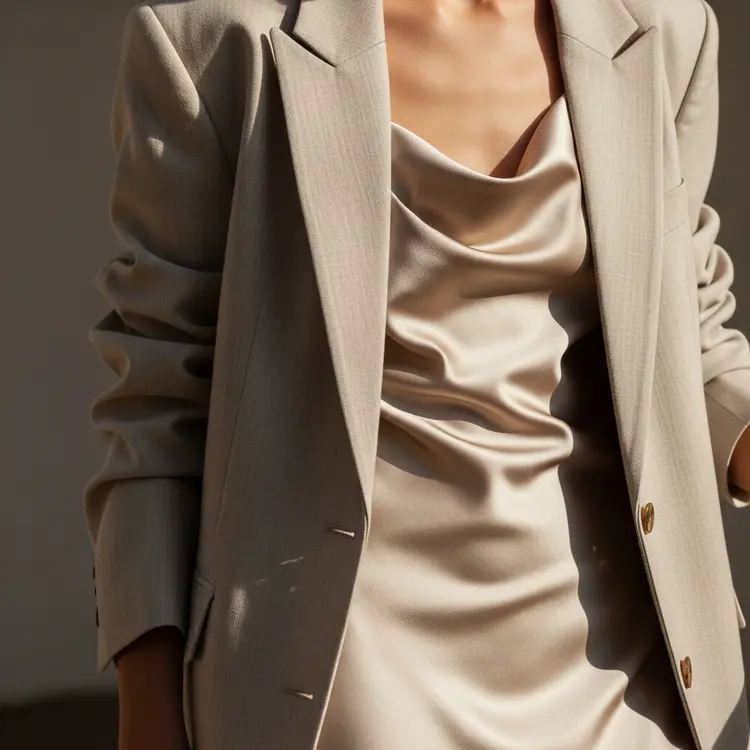
Valentine’s fashion once came with instructions. Red, pink, lace, heels. The uniform of desire.
Now, the rules feel optional.
In 2026, Valentine’s Day wardrobes are reflecting emotional maturity rather than fantasy. A tailored black blazer over bare skin. Soft knits in neutral tones. Lipstick chosen because it feels familiar, not daring.
There’s confidence in repetition. Confidence in knowing what flatters you—and what doesn’t need to impress anyone else.
One woman described wearing the same silk slip she’s owned for years, not because it was “special,” but because it already knew her. That kind of intimacy with clothing doesn’t happen overnight.
It happens when dressing becomes less about becoming someone else and more about returning to yourself.
Beauty Rituals That Feel Grounded, Not Decorative
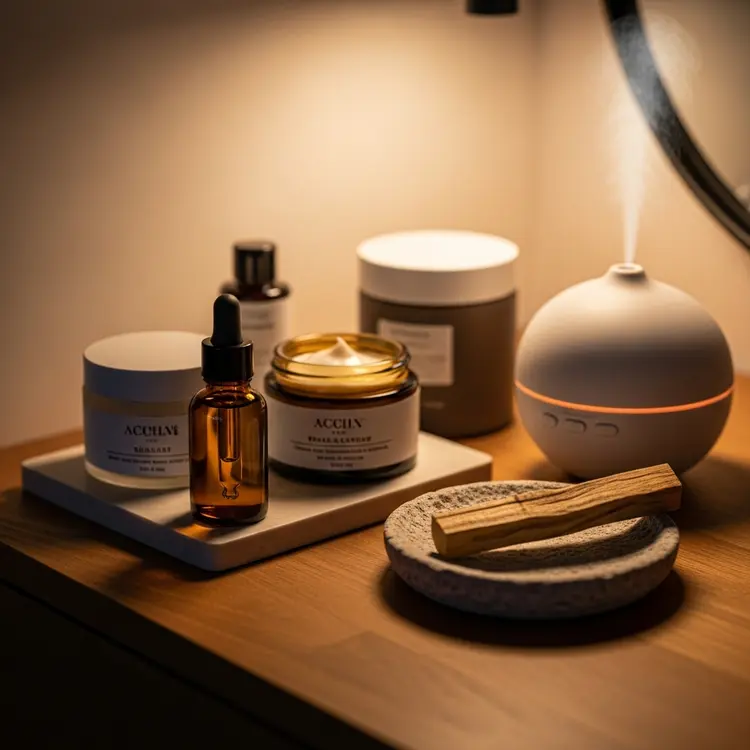
The beauty conversation has shifted in parallel. Valentine’s makeup no longer demands drama. Skin is allowed to look like skin. Fragrance choices lean inward—comforting, familiar, private.
A woman choosing her scent now often asks: Do I want to feel held? Or awake? Or simply myself?
That question matters more than whether anyone notices.
This move away from performative beauty doesn’t reject allure. It reframes it. Sensuality becomes less about presentation and more about presence.
At Fashion Newz Room, editors have noticed how readers respond more deeply to stories about real routines than “special occasion” looks. The everyday has become aspirational in its own quiet way.
Love, Longevity, and Emotional Economy
One of the most under-discussed shifts around Valentine’s Day is emotional budgeting. Women are more selective about where they place their energy—and why.
Grand gestures are expensive, not just financially, but emotionally. They demand reaction. Gratitude. Display. Sometimes forgiveness.
Many women now prefer love that asks less and gives more consistency.
This doesn’t mean relationships are duller. If anything, they’re more resilient. Romance moves from event-based to habit-based.
You see it in long-term partnerships where Valentine’s Day is acknowledged without pressure. A shared dessert. A familiar film. No expectation to “outdo” last year.
That ease is earned.
The Single Woman’s Valentine Has Changed, Too

Perhaps the most radical transformation is how single women experience Valentine’s Day.
The old narrative framed it as a deficit. A reminder of what was missing. In 2026, that framing feels outdated.
Many single women treat Valentine’s Day as a neutral date on the calendar—sometimes even a pleasant one. A reason to buy good chocolate without justification. To book a facial midweek. To wear something indulgent simply because it’s Tuesday.
There’s dignity in not needing the day to validate your status.
Modern singlehood, especially among women who’ve lived, loved, and learned, carries less urgency and more self-trust. Valentine’s Day becomes optional, not emotional.
Why This Shift Matters More Than We Admit
This evolution isn’t trivial. It reflects deeper cultural changes in how women value themselves and their time.
For decades, romance was framed as proof—of desirability, worth, success. Letting go of that framework takes courage. It means trusting your inner compass more than external markers.
It also means redefining what love looks like when it’s no longer trying to impress anyone.
That’s why this conversation matters. Because it signals a generation of women choosing substance over spectacle, intimacy over image, and truth over tradition.
Not loudly. Just steadily.
Media, Memory, and the Role of Fashion Platforms
Fashion and lifestyle media play a subtle but powerful role in shaping how these shifts are understood. When publications highlight quieter narratives, they give permission for nuance.
At Fashion Newz Room, there’s been a conscious move toward reflecting lived experience rather than idealized moments. Readers respond not because they’re being told what to want, but because they recognize themselves in the stories.
That recognition matters more than trend forecasts ever could.
For readers exploring similar perspectives, FashionNewzRoom.com often becomes a place not for answers, but for resonance.
Valentine’s Day as a Pause, Not a Peak
By 2026, Valentine’s Day feels less like a climax and more like a comma.
A pause in winter. A moment to notice what already exists.
Some women will still celebrate traditionally, and that’s fine. Romance doesn’t have a single expression. But for many, the magic now lies in restraint. In choosing what feels real rather than what looks right.
There’s something quietly radical about that choice.
And maybe that’s the most romantic gesture of all—one that doesn’t need witnesses, captions, or applause. Just honesty, worn comfortably, like a favorite coat you reach for without thinking.
Found this helpful? Save it to your Pinterest board!