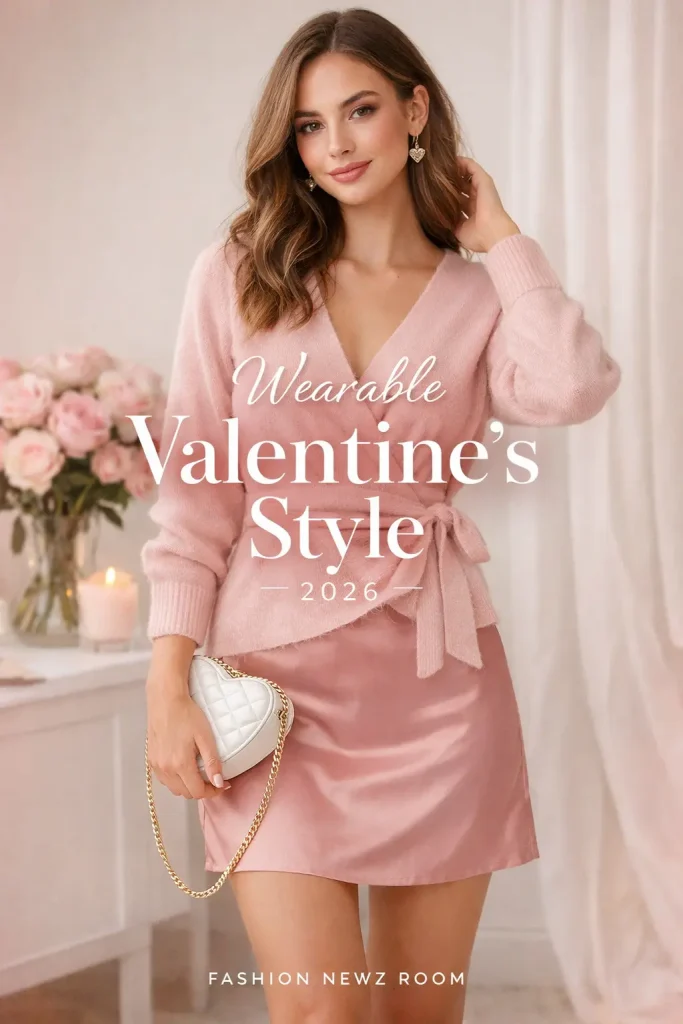
Valentine’s Day used to arrive with a familiar visual script. Lace, red satin, a hint of sparkle meant to signal romance from a distance. But by 2026, the mood has shifted. Not dramatically, not loudly — just enough to feel different when you step outside, scroll through social feeds, or glance at what women are actually wearing to dinner reservations, casual dates, or even quiet nights in.
What’s shaping this change isn’t a single trend or tech moment. It’s wearable fashion — clothing designed with real movement, comfort, and emotional awareness in mind. The kind of fashion that understands a woman’s Valentine’s Day might involve commuting, childcare, last-minute plans, or no plans at all.
At Fashion Newz Room, this evolution has been showing up more clearly with every season. Valentine’s Day looks aren’t about performance anymore. They’re about presence.
From Occasion Dressing to Real-Life Dressing
Table of Contents
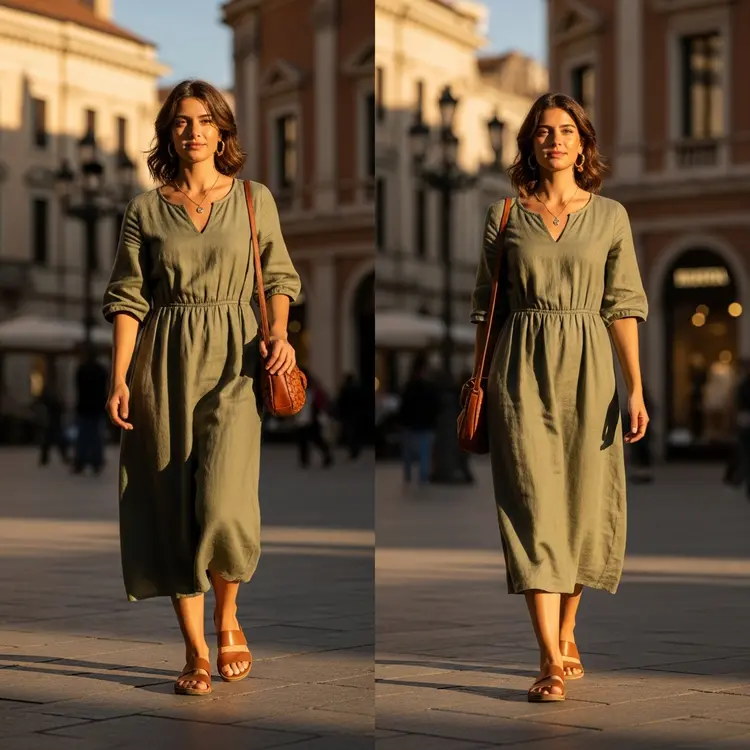
One of the quietest shifts in Valentine’s fashion has been the way women approach “occasion” clothing. The question is no longer What should I wear for Valentine’s Day? but rather What will I actually be doing that day — and how do I want to feel while doing it?
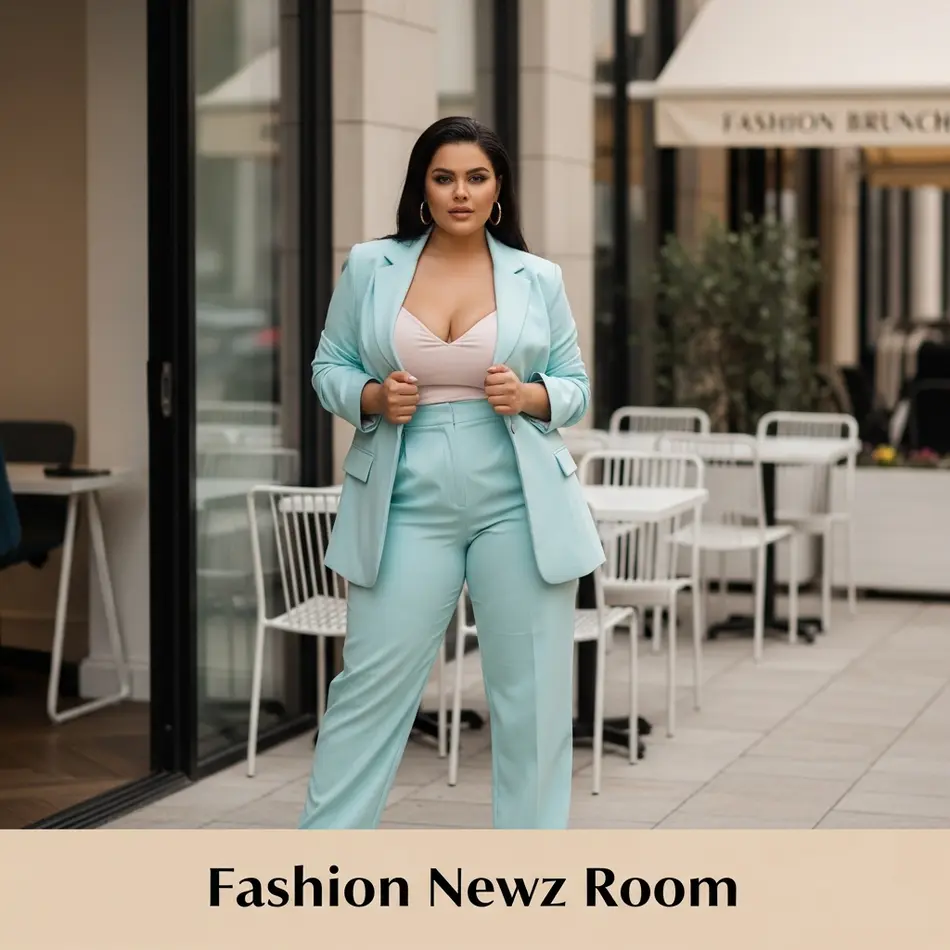
In cities like New York, Toronto, Melbourne, and Austin, wearable Valentine’s looks now start with daytime reality. Soft tailoring that moves easily. Knit dresses that don’t need constant adjustment. Layering pieces that carry through from afternoon coffee to evening plans without requiring a full outfit change.
This is where wearable fashion earns its place. The romance comes from ease, not excess.
You see it in stretch-infused fabrics that still look polished. In wrap silhouettes that flatter without restriction. In flats or low heels styled intentionally, not as a backup choice.
The clothes feel considered, but not costume-like. And that’s the point.
Valentine’s Day in a Digitally Aware World
It’s impossible to talk about fashion in 2026 without acknowledging how digital life shapes what we wear — especially on days loaded with visual expectations.
Valentine’s Day exists online now as much as it does offline. Photos are shared. Stories are posted. Group chats dissect outfits before anyone even leaves the house. But the response to this visibility has been interestingly restrained.
Rather than dressing louder, many women are dressing smarter.
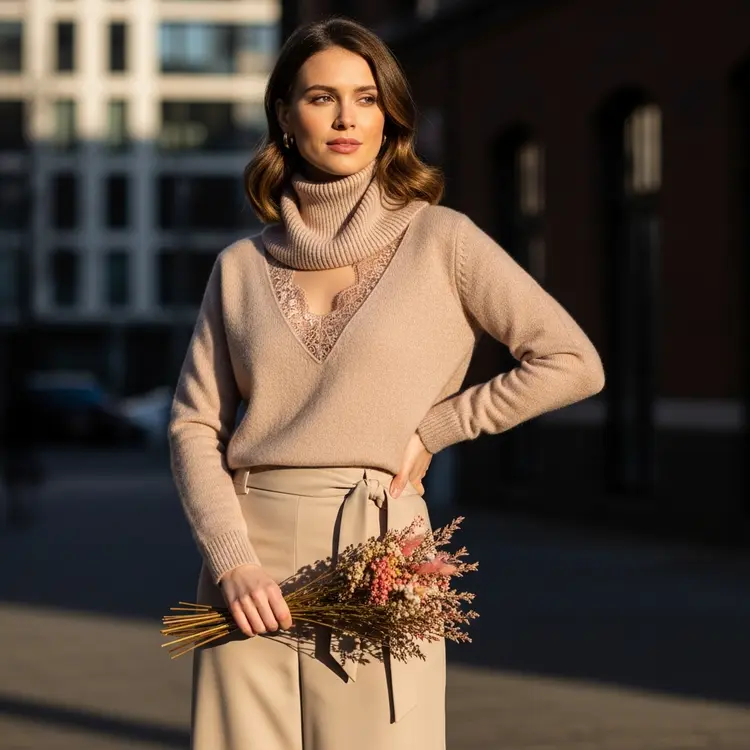
Wearable fashion reflects an understanding of how clothes read on screen and in person. Matte finishes photograph better than shine. Textures — ribbed knits, brushed cotton, fine merino — add depth without glare. Colors lean toward muted roses, warm browns, soft blacks, and worn reds rather than bright, camera-hungry shades.
These are clothes that don’t ask for validation. They hold up whether they’re seen in motion or caught briefly in a mirror selfie.
Subtle Technology, Not Statement Tech
When people hear “wearable fashion,” they often think of obvious tech — glowing fabrics or dramatic smart accessories. That’s not what’s shaping Valentine’s Day looks in 2026.
The technology is quieter.
Temperature-regulating fabrics that keep you comfortable through changing environments. Stretch fibers woven invisibly into tailored pieces. Breathable linings that make structured dresses feel less rigid by hour three of wear.
None of this announces itself. And that’s exactly why it works.
A woman stepping out for Valentine’s dinner doesn’t want to think about her clothes halfway through the evening. Wearable fashion succeeds when it disappears into the experience, leaving behind only confidence and ease.
Comfort as a Romantic Choice
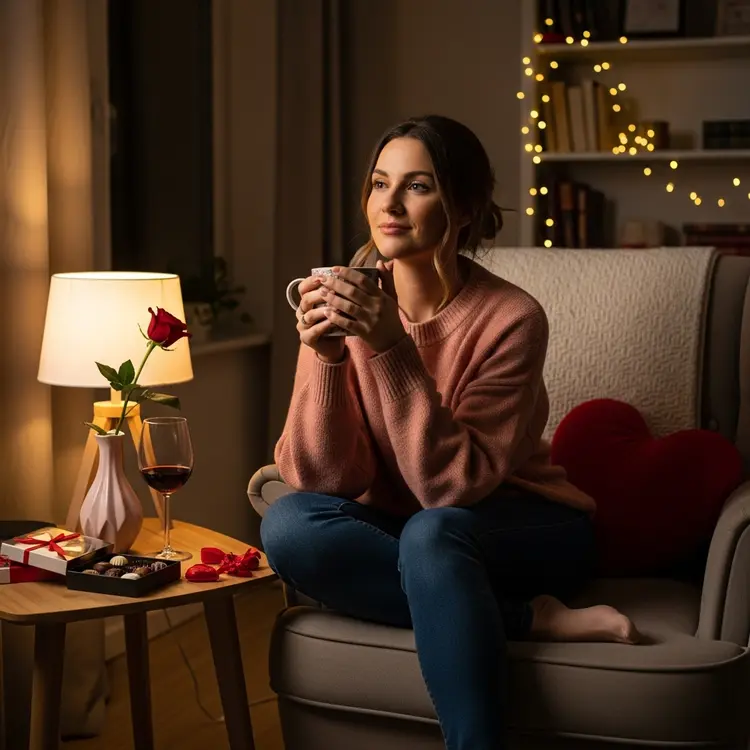
There was a time when comfort and romance were positioned as opposites. Valentine’s Day looks leaned toward discomfort in the name of allure. Tight fits. Restrictive materials. Shoes that were beautiful but punishing.
By 2026, that mindset feels outdated.
Comfort has become part of the romantic language — not because it’s trendy, but because women have grown less willing to trade physical ease for visual approval.
This shows up in small but meaningful ways:
Dresses that allow sitting, walking, and eating comfortably
Lingerie-inspired details softened for real wear
Waistlines that adjust subtly rather than constrict
Fabrics that feel good against skin, even late at night
These choices aren’t anti-romance. They’re pro-experience.
And when women talk about their favorite Valentine’s outfits now, they rarely describe how they looked first. They describe how they felt.
The Rise of Quiet Personal Expression
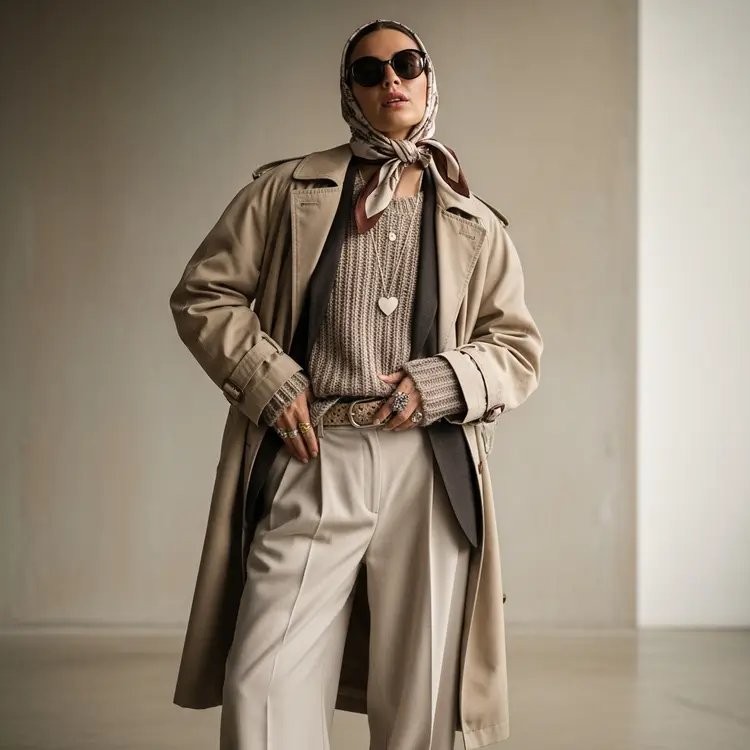
Wearable fashion has also opened space for individuality — the kind that doesn’t rely on trend alignment.
Some women lean into minimalist silhouettes with one thoughtful detail. Others mix traditionally romantic pieces with everyday staples: a silk slip layered under a chunky cardigan, or a tailored blazer worn over a soft knit dress.
The beauty of Valentine’s Day fashion in 2026 is that it doesn’t insist on a single visual narrative. It leaves room for interpretation.
This shift mirrors broader cultural changes. Women are more comfortable dressing for themselves, even on days historically loaded with expectation. Romance becomes something felt internally, not something proven externally.
That emotional shift matters more than any silhouette.
Jewelry, Accessories, and the Wearability Test
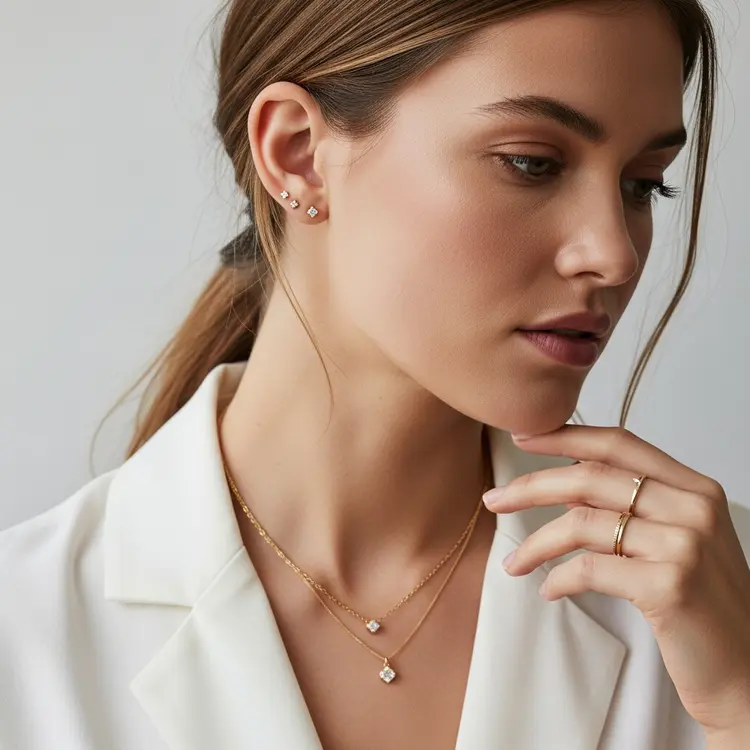
Accessories often reveal how wearable a look truly is.
For Valentine’s Day 2026, jewelry trends lean toward pieces that can stay on all day. Lightweight chains. Earrings that don’t pull. Rings designed for movement, not display.
Smart jewelry has entered the conversation quietly. Discreet wellness rings. Bracelets that track subtle metrics without dominating the aesthetic. These pieces don’t replace traditional accessories — they coexist with them.
The result is a layered, intentional look that feels modern without feeling experimental.
Bags follow a similar logic. Structured enough to feel special, soft enough to be carried comfortably. Shoes prioritize balance — not just physically, but stylistically.
At Fashion Newz Room, we’ve noticed that the most admired Valentine’s looks often pass a simple test: Could you wear this again tomorrow? If the answer is yes, the outfit feels relevant.
Valentine’s Day Isn’t One Experience Anymore
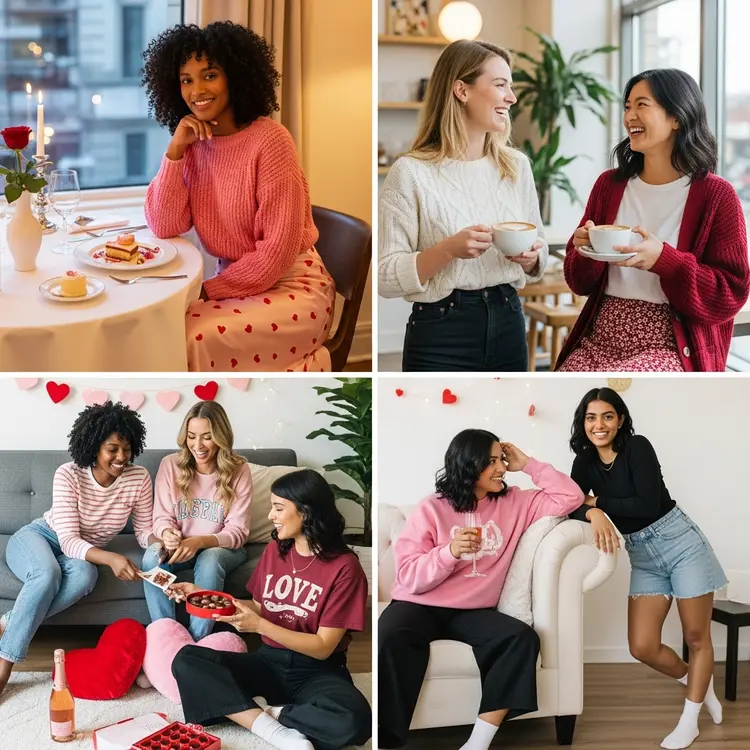
One of the most important reasons wearable fashion matters right now is because Valentine’s Day itself has expanded.
It’s no longer just about couples and candlelit dinners. Women celebrate in many ways — with friends, children, colleagues, or quietly on their own terms.
Wearable fashion supports this diversity. A dress that works for a school pickup and an evening out. A coordinated set that feels intentional without feeling formal. Layers that adapt to changing plans.
This flexibility acknowledges real life. And real life is where style has always mattered most.
Everyday Women, Real Choices
Spend time observing Valentine’s Day fashion outside curated feeds, and a different picture emerges.
A woman in Chicago choosing a soft wool dress because February is cold and romance shouldn’t require shivering. A mother in Vancouver opting for low boots and a tailored coat because her evening includes both dinner and logistics. A creative professional in Sydney wearing a familiar silhouette in an unfamiliar color, just to mark the day quietly.
These aren’t compromises. They’re decisions grounded in self-knowledge.
Wearable fashion respects those choices.
Why This Shift Genuinely Matters
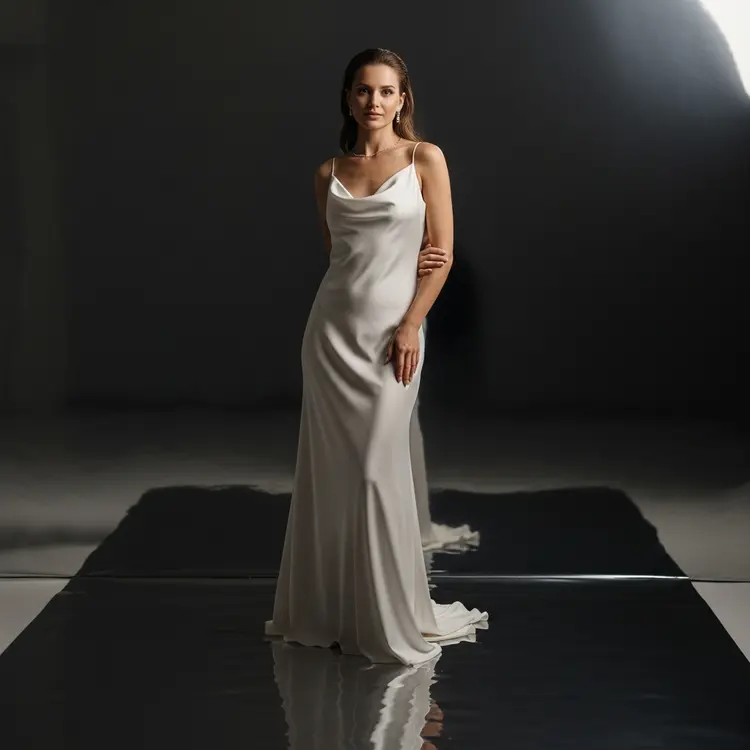
This evolution isn’t just about clothes. It reflects a deeper recalibration in how women relate to expectation, visibility, and self-worth.
Valentine’s Day used to ask women to perform romance outwardly — to look the part, even if it didn’t align with their day or mood. Wearable fashion pushes back gently, offering another option: dress in a way that supports your life, not interrupts it.
That matters because fashion is never just fabric. It shapes how women move through spaces, how comfortable they feel in their bodies, how present they can be in moments meant to feel meaningful.
When clothes stop demanding attention, women get to reclaim it.
A Quiet Confidence Moving Forward
As 2026 unfolds, Valentine’s Day fashion will likely continue moving in this direction — less spectacle, more substance. Less instruction, more intuition.
The most compelling looks won’t be the most photographed ones. They’ll be the outfits women remember wearing fondly, long after the day passes.
At Fashion Newz Room, this is the kind of fashion conversation we return to again and again — not because it’s trendy, but because it reflects how women actually live now. And how they choose to show up, on Valentine’s Day and beyond.
Somewhere between comfort and intention, wearable fashion has found its place. Quietly. Confidently. Without asking for permission.
Found this helpful? Save it to your Pinterest board!