Valentine’s Day used to feel louder. Louder colors, louder expectations, louder versions of romance that rarely matched real life. Somewhere between curated Instagram dinners and algorithm-approved outfits, the day became less about connection and more about performance.
Lately, though, something quieter has been happening.
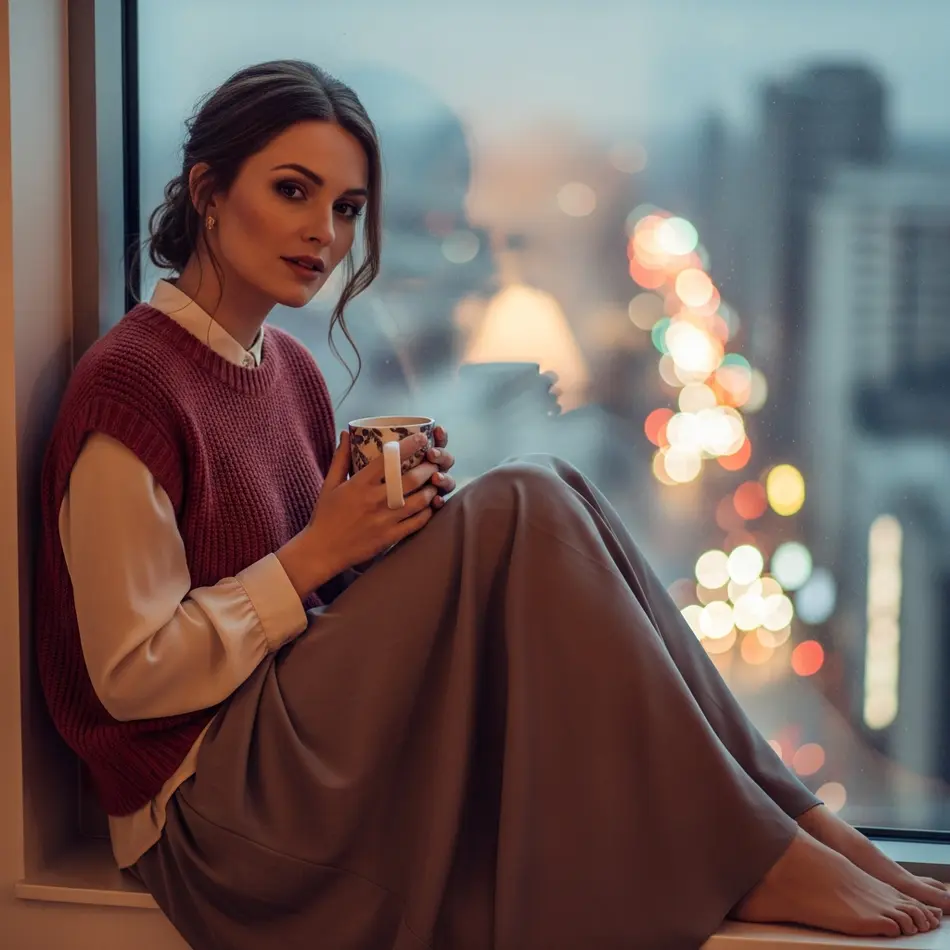
More women are opting out of the spectacle — not in protest, not in bitterness, but in quiet confidence. They’re dressing for themselves. Choosing dinners that feel comfortable. Letting the day unfold without needing it to look impressive to anyone else.
This version of Valentine’s Day doesn’t trend easily. It doesn’t photograph perfectly. And yet, it feels more honest.
At Fashion Newz Room, this shift has been showing up clearly in how women talk about clothes, beauty, and the small choices they make around moments that once felt heavy with expectation.
When the Outfit Isn’t the Statement Anymore
Table of Contents

There was a time when Valentine’s Day outfits felt almost prescribed. Red dresses, structured silhouettes, heels you tolerated for the sake of the photo. The goal wasn’t comfort or even personal style — it was signaling effort.
Now, effort looks different.
A woman in New York chooses a soft knit dress that moves with her body instead of against it. In Toronto, someone pairs tailored trousers with a silk blouse she already owns, skipping the urge to buy something “special” just for the night. In Melbourne, flat leather sandals replace heels, not as a statement, but as a practical choice that feels aligned with the evening.
None of these looks are revolutionary. That’s the point.
They’re thoughtful without being loud. Intentional without trying to prove anything. The outfit becomes part of the evening, not the headline.
Fashion, when it’s working well, doesn’t announce itself. It supports how a woman wants to feel — present, at ease, unselfconscious.
Beauty Routines That Leave Room to Breathe
The beauty conversation around Valentine’s Day has softened too.
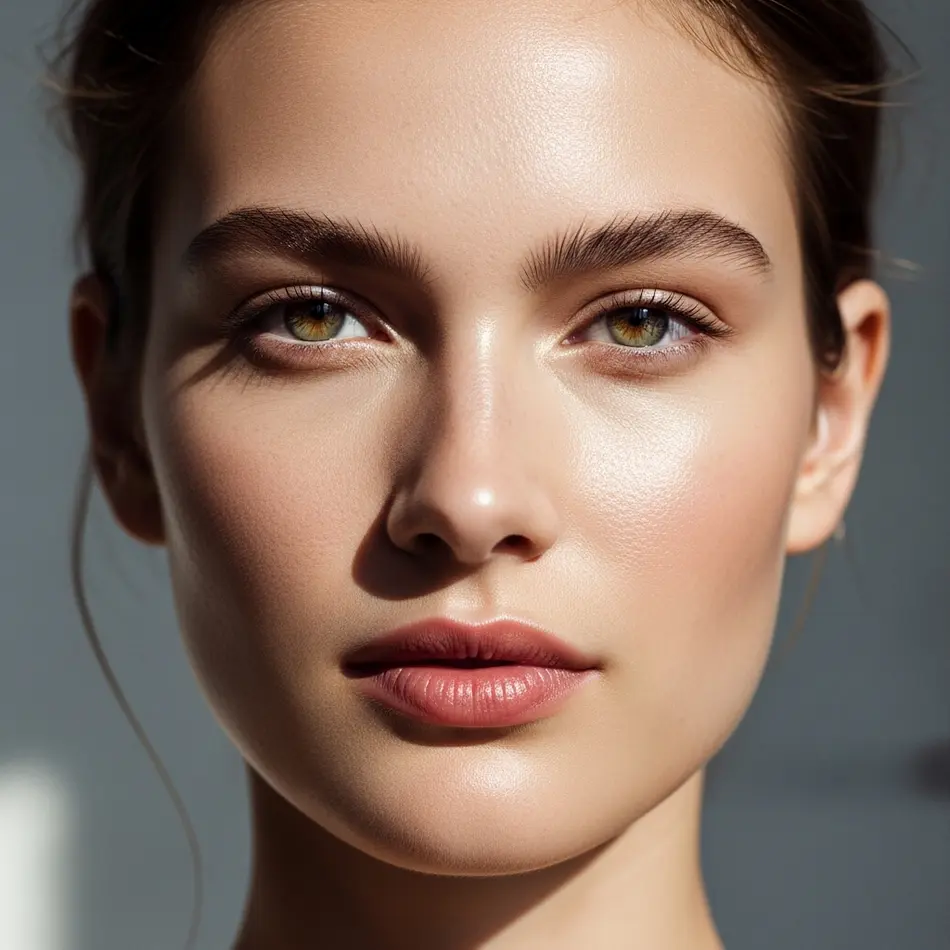
Instead of dramatic transformations, more women are leaning into routines that feel familiar. A skincare ritual that’s already part of their week. Makeup that enhances rather than conceals. Hair worn the way it naturally falls instead of styled into submission.
There’s a quiet relief in not having to become a different version of yourself for one evening.
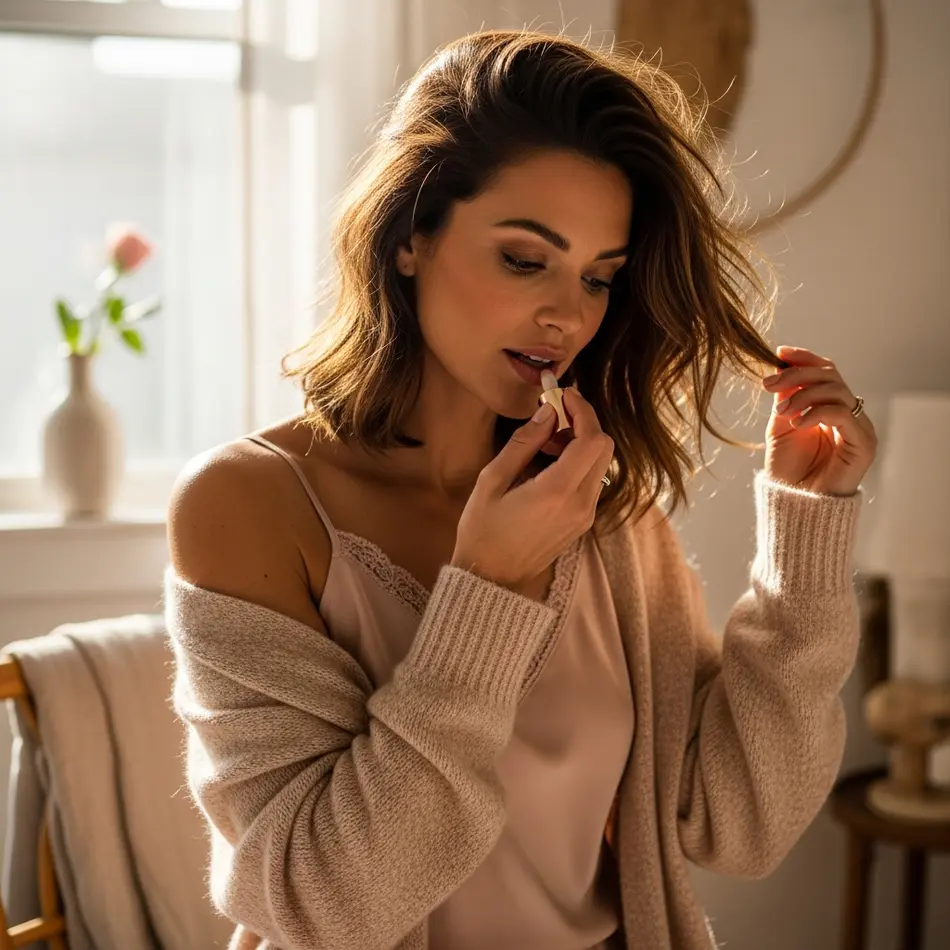
This doesn’t mean abandoning beauty. It means redefining it. A sheer lip color instead of a bold red. Lashes curled but not layered. Skin that looks like skin.
Digital culture once pushed the idea that special occasions required heightened versions of ourselves. But after years of filters and tutorials promising perfection, fatigue has set in. Women are choosing ease, not because they’ve given up, but because they’ve learned what actually feels good.
The Shift Away From “Perfect” Romance

The same recalibration is happening beyond clothes and beauty.
Valentine’s Day dinners are less about reservations at the hardest-to-book restaurant and more about spaces that feel comfortable. A neighborhood spot you already love. A home-cooked meal eaten slowly. A walk after dinner without checking the time.
There’s also a growing acceptance that romance doesn’t have to follow a script. Some women spend the evening with friends. Others treat it as a normal night with a good book and early sleep. Some couples skip the day entirely and plan something later, when it feels less pressured.
This isn’t cynicism. It’s clarity.
When expectations shrink, enjoyment expands.
Why Letting Go of Perfection Matters Right Now

This moment matters because women are tired — not in a dramatic way, but in a quiet, cumulative one.
Tired of comparison. Tired of constant self-optimization. Tired of feeling like every moment needs to justify itself publicly.
Valentine’s Day, once a symbol of romance, became another stage for this exhaustion. Letting go of perfection is a small rebellion, but a meaningful one. It allows women to reclaim time, comfort, and emotional space.
For many, this shift is deeply personal. It’s about honoring where they are in life — partnered, single, uncertain, content — without trying to force the narrative to match someone else’s highlight reel.
At Fashion Newz Room, conversations with readers often circle back to this idea: style and lifestyle choices feel better when they reflect real lives, not idealized ones.
Fashion as an Extension of Mood, Not Obligation

One of the most telling changes is how women talk about their Valentine’s Day looks afterward.
Instead of asking, “Did it look good?” the question becomes, “Did it feel right?”
That’s a meaningful evolution.
A soft blazer worn open over a camisole. A dress chosen because it allows you to eat comfortably. Jewelry that doesn’t need adjusting all night. These details don’t read as glamorous in the traditional sense, but they create a sense of ease that’s increasingly valued.
Fashion becomes less about meeting expectations and more about supporting the experience of the evening itself.
Digital Culture and the Pressure to Perform Love
Social media still plays a role, of course. Valentine’s Day remains one of the most visible moments of romantic performance online. But engagement is changing.
Women scroll with more distance now. They notice the staging. The repetition. The sameness. And instead of internalizing it, many are opting out emotionally.
There’s a growing understanding that what’s shared publicly often says very little about how it feels privately.
This awareness allows women to participate — or not — without feeling measured against someone else’s version of happiness.
The Quiet Confidence of Choosing Your Own Version
There’s confidence in choosing a Valentine’s Day that doesn’t need validation.
It shows up in small ways. Wearing an outfit you’ve worn before. Skipping the dramatic makeup. Declining plans that don’t feel aligned. Saying yes to ones that do.
These choices don’t announce themselves. They don’t need to.
They’re grounded. Personal. Real.
This is the kind of confidence that develops slowly, through lived experience rather than advice.
How This Reflects a Broader Style Shift
What’s happening around Valentine’s Day mirrors a larger movement in fashion and lifestyle.
Women are moving toward wardrobes built around longevity, comfort, and emotional resonance. Beauty routines are becoming quieter. Social expectations are being negotiated instead of accepted by default.
This isn’t about minimalism or trends. It’s about alignment.
And it’s why editorial platforms like Fashion Newz Room have leaned into observing real-life style moments rather than chasing spectacle. The most interesting shifts rarely happen on runways. They happen in how women actually live.
When Valentine’s Day Becomes Just Another Good Day
Perhaps the most radical idea is this: Valentine’s Day doesn’t have to be exceptional to be meaningful.
It can be warm instead of dazzling. Familiar instead of impressive. Honest instead of polished.
For many women, that’s enough.
Letting go of perfection doesn’t diminish romance. It makes room for it — the kind that exists comfortably within real life, rather than hovering above it.
And when the evening ends, and the dress is hung back in the closet, what lingers isn’t the photo or the plan, but the feeling of having shown up as yourself.
That, quietly, is everything.
Found this helpful? Save it to your Pinterest board!