There was a time when Valentine’s Day followed a predictable rhythm. Red roses appeared on office desks by noon. Dinner reservations were booked weeks in advance. A small box—often velvet, occasionally impulsive—did most of the emotional heavy lifting.
But somewhere between endless notifications, delivery delays, and the quiet fatigue of modern life, that rhythm has softened.
Valentine’s Day 2026 doesn’t feel smaller. It feels closer.
Less about what’s exchanged across a table. More about who’s actually sitting there.
This shift hasn’t happened overnight. It’s been unfolding slowly, season by season, mirrored in how women dress, shop, spend, and emotionally prioritize. At Fashion Newz Room, this change has been visible not just in trend forecasts, but in the real-life stories behind them—what women are choosing to wear on February 14, and more importantly, why.
The Quiet Recalibration of Romance
Table of Contents

Romance hasn’t disappeared. It’s simply been edited.
After years of performative everything—performative gifting, performative dinners, performative social posts—many women are choosing something subtler. Not out of resignation, but discernment.
There’s a noticeable difference between being celebrated and being seen.
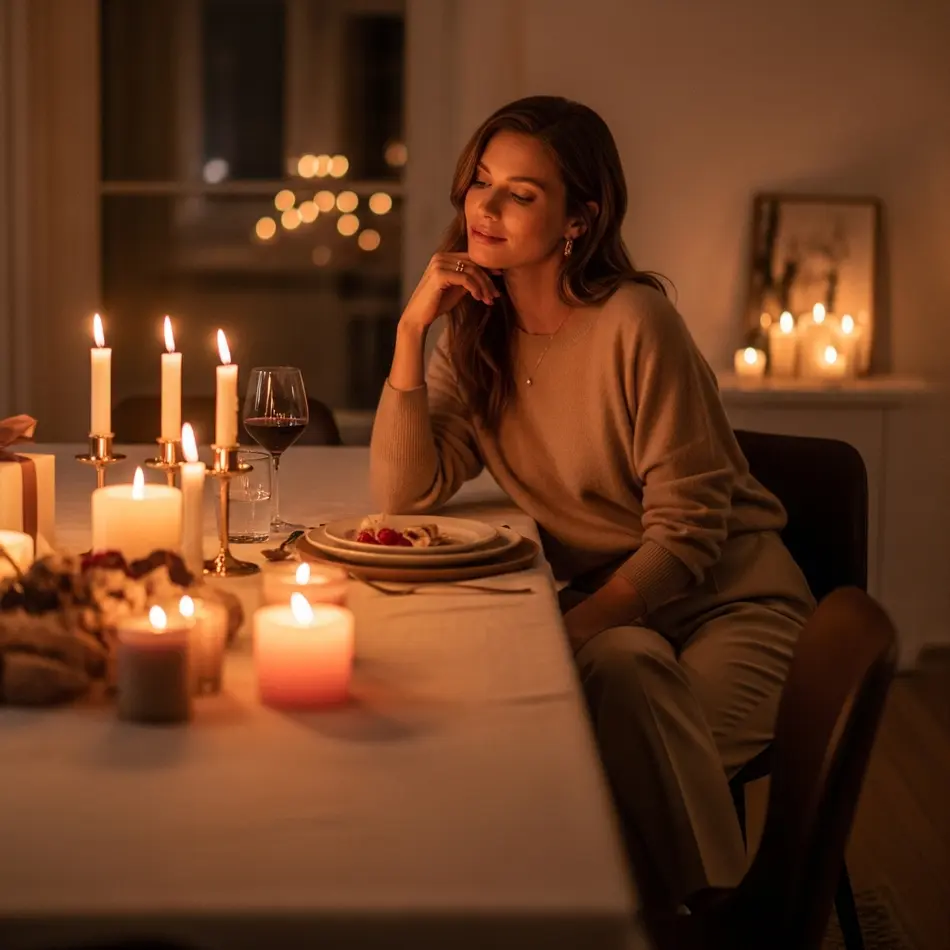
A $200 bouquet doesn’t hold much weight if the conversation never leaves the surface. A thoughtfully planned evening at home, where phones are set aside and nobody’s rushing to capture the moment, feels strangely radical now.
This isn’t about lowering expectations. It’s about redirecting them.
Valentine’s Day in 2026 reflects a broader cultural correction. The emphasis has moved from external validation to internal comfort. From optics to presence.
And women are leading that shift—quietly, deliberately.
Fashion Tells the Story Before Words Do
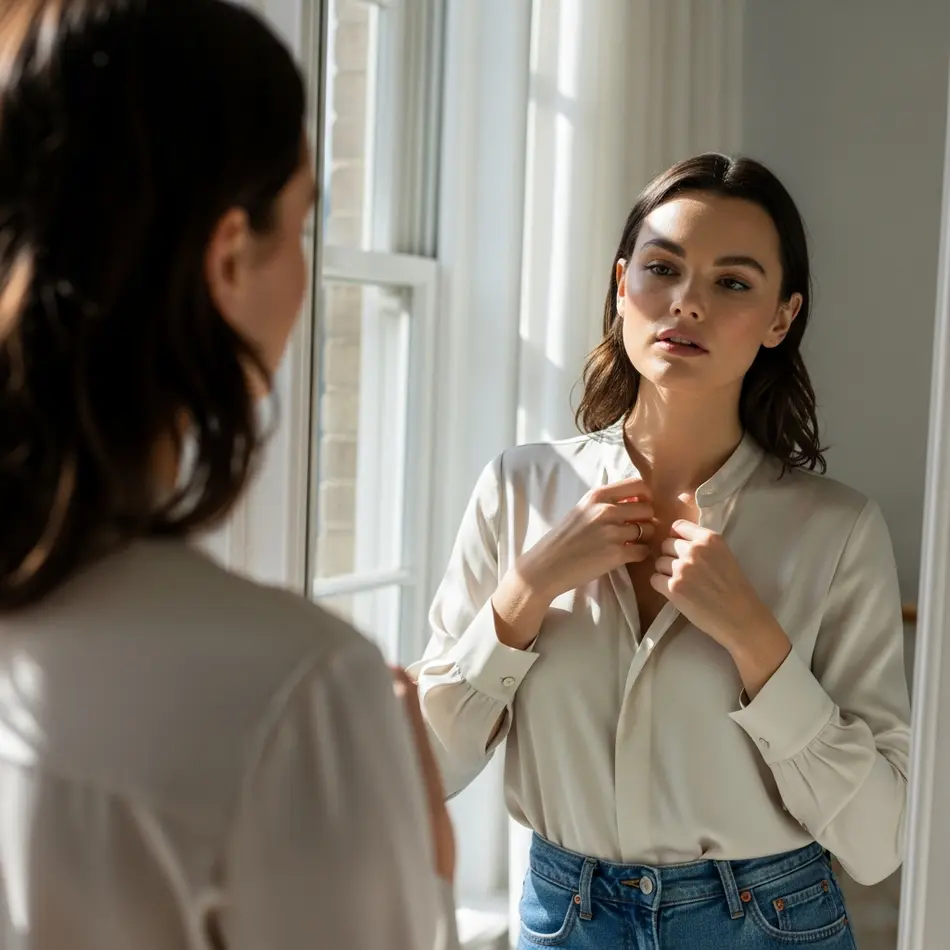
You can see the change in wardrobes long before it’s articulated out loud.
The hyper-sexualized Valentine’s looks of the past—tight silhouettes, novelty reds, uncomfortable heels reserved for exactly one evening—are no longer the default. They haven’t vanished, but they’ve been joined by something more grounded.
Soft tailoring. Relaxed dresses. Knits that skim instead of squeeze.
Outfits that don’t ask a woman to perform a role, but allow her to arrive as herself.
In cities across the United States, Canada, and Australia, Valentine’s Day fashion has become less about “statement” and more about sensibility. A silk blouse paired with lived-in denim. A midi dress that transitions from dinner to a late-night walk. Shoes chosen for how long they’ll last, not how dramatic they look in photos.
It’s not anti-romantic. It’s self-aware.
Beauty That Doesn’t Announce Itself

The same recalibration is happening at the beauty counter.
Valentine’s makeup used to be about drama—bold lips, heavy contour, obvious effort. In 2026, the most common look is barely announcing itself at all.
Skin that looks like skin. Hair worn down because it feels right, not because it was styled to survive humidity. Fragrance applied lightly, chosen for memory rather than projection.
This isn’t about minimalism as an aesthetic trend. It’s about intimacy.
When beauty becomes quieter, it invites closeness instead of attention. It allows space for someone to notice the person, not the polish.
Women are choosing routines that feel supportive, not demanding. That choice speaks volumes.
Digital Culture Changed the Rules—and the Desires
Social media didn’t ruin Valentine’s Day, but it did expose its hollowness.
For years, romance was filtered, captioned, compared. Grand gestures became content. Private moments turned public by default.
By 2026, fatigue has replaced fascination.
There’s a growing awareness that presence doesn’t translate well on screen. The most meaningful moments rarely photograph cleanly. They happen mid-conversation, during pauses, in unplanned silences.
Many women now intentionally keep Valentine’s Day offline. Not as a statement, but as a relief.
A dinner that isn’t posted. A gift that isn’t tagged. A moment that exists only for the people inside it.
That restraint feels luxurious in its own way.
Everyday Women, Everyday Choices
This shift isn’t confined to a specific age or lifestyle.
It shows up in small decisions:
A woman in her thirties choosing a comfortable dress she already owns instead of buying something new for one night.
A mother spending Valentine’s evening at home, fully present, after years of scheduling romance around exhaustion.
A single woman opting for dinner with friends rather than forcing a narrative that doesn’t fit her life.
These choices aren’t framed as alternatives anymore. They’re simply valid.
At FashionNewzRoom.com, the most resonant stories aren’t about what women are giving or receiving—they’re about how they’re feeling. Grounded. Unrushed. More themselves.
Presence as the New Luxury
Luxury used to be about excess. Now it’s about access.
Access to time. To attention. To emotional availability.
Presence has become the rarest commodity, and that’s precisely why it matters more than any object exchanged on Valentine’s Day.
Being present means listening without distraction. Showing up without an agenda. Sitting with someone without planning the next thing.
It sounds simple. It isn’t.
Modern life has trained us to multitask intimacy. Valentine’s Day 2026 quietly resists that training.
Why This Shift Matters to Real Women
This isn’t just a seasonal trend. It reflects something deeper.
Women are tired of carrying emotional labor while simultaneously curating perfection. They’re tired of being grateful for gestures that feel disconnected from daily reality.
Presence acknowledges effort that lasts beyond a single date.
For women navigating careers, families, changing bodies, evolving identities—being truly seen feels grounding. It validates complexity rather than glossing over it.
When Valentine’s Day centers presence, it honors the woman as she is, not as an idealized version meant for display.
That matters.
Relationships Look Different When Presence Leads
When presence becomes the focus, relationships naturally recalibrate.
Conversations deepen. Expectations clarify. Small rituals gain meaning.
A shared meal cooked together carries more weight than a reservation made out of obligation. A handwritten note lands differently when it reflects lived moments, not generic sentiment.
This doesn’t mean gifts disappear. It means they’re contextual. Thoughtful. Integrated into real connection rather than standing in for it.
Fashion as a Reflection, Not a Performance
Fashion has always been a language. In 2026, it’s speaking more honestly.
Women aren’t dressing to impress an imagined audience. They’re dressing to feel aligned with their environment and emotional state.
That alignment is powerful.
It suggests confidence without bravado. Romance without spectacle. Style without strain.
It’s a language worth listening to.
The Role of Fashion Media in This Moment
Fashion media doesn’t dictate this shift—it observes it.
At Fashion Newz Room, the editorial lens has naturally moved toward stories that reflect lived experience rather than fantasy. That doesn’t mean abandoning beauty or aspiration. It means redefining them.
Beauty can be calm. Aspiration can be sustainable. Romance can be present.
This perspective isn’t unique, but it feels timely.
FashionNewzRoom.com exists to document these nuances, not flatten them into trends.
Valentine’s Day, Rewritten Gently
Valentine’s Day 2026 doesn’t demand a rewrite. It asks for a reread.
The meaning hasn’t changed. The emphasis has.
Presence doesn’t announce itself. It doesn’t photograph well. It doesn’t ship overnight.
But it lingers.
And for many women, that lingering is exactly what romance should feel like now.
Found this helpful? Save it to your Pinterest board!