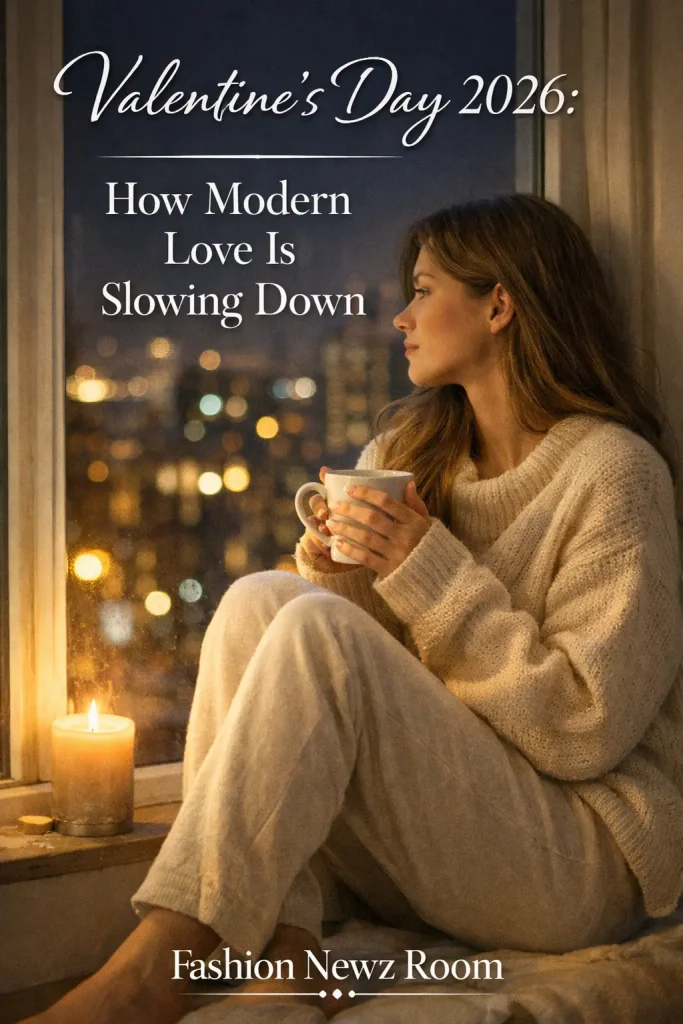
Valentine’s Day used to arrive with noise. Red everywhere. Store windows shouting about romance. Social feeds filling up with declarations that felt almost competitive. But Valentine’s Day 2026 feels quieter. Not empty—just softer. Less performative. More considered.
There’s been a noticeable pause this year, one that’s been building for a while. Love hasn’t disappeared. It’s simply stopped rushing.
Across fashion weeks, beauty counters, and everyday conversations with women juggling work, family, friendships, and their own sense of self, the same feeling keeps surfacing. Romance is still wanted, still valued—but it’s no longer something many women feel the need to broadcast or compress into a single, glitter-heavy day.
At Fashion Newz Room, this shift has been showing up not in trend reports, but in real-life details: what women wear on February 14, how they talk about relationships now, and what they quietly choose not to post online.
A Valentine’s Day That Doesn’t Need to Prove Anything
Table of Contents
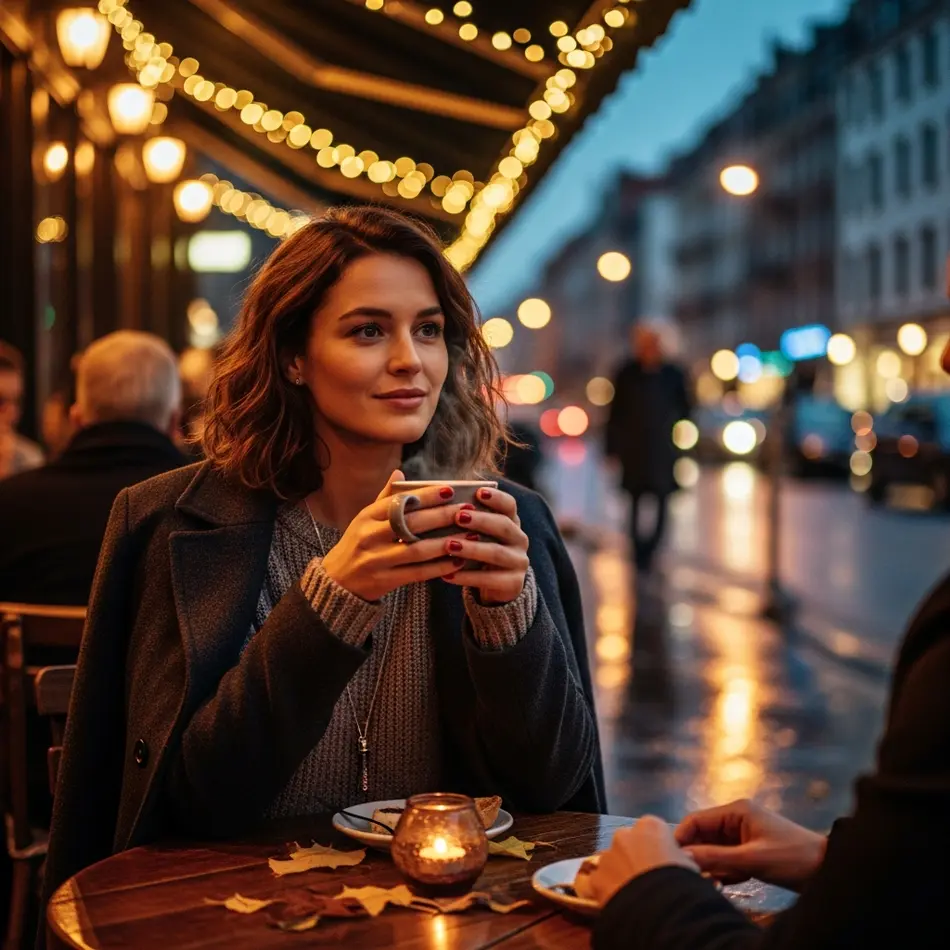
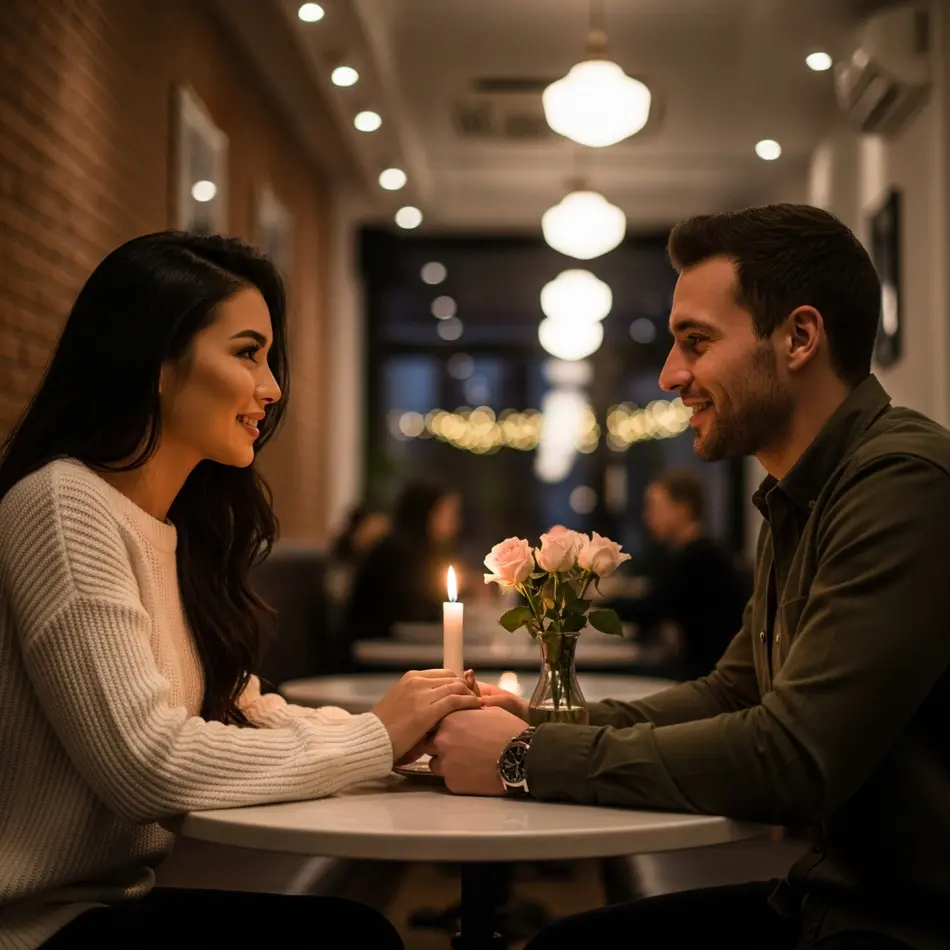
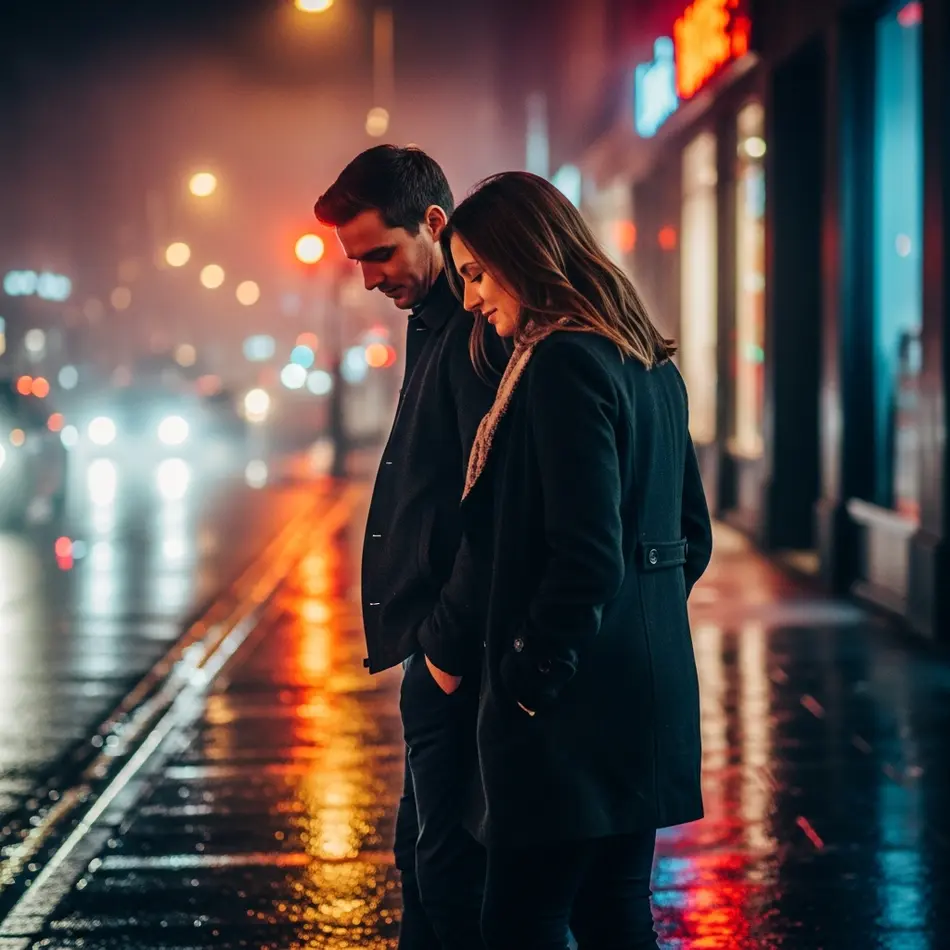
Walk into a café in New York, Toronto, or Melbourne this February and you’ll notice something subtle. Couples aren’t dressed for spectacle. There’s no uniform of satin dresses or sharply tailored suits. Instead, there are soft knits, lived-in denim, coats that have seen many winters. Clothing chosen to be comfortable for a long conversation, not dramatic for a photo.
This year, Valentine’s Day looks less like an event and more like an evening.
Many women seem relieved by that. After years of highly curated romance—proposal videos, couple outfits, perfectly plated dinners—there’s a sense that love no longer needs constant visual proof. The pressure to perform intimacy has eased, replaced by something slower and more private.
That doesn’t mean romance has become dull. It’s simply become more personal.
The Influence of Digital Fatigue on Romance
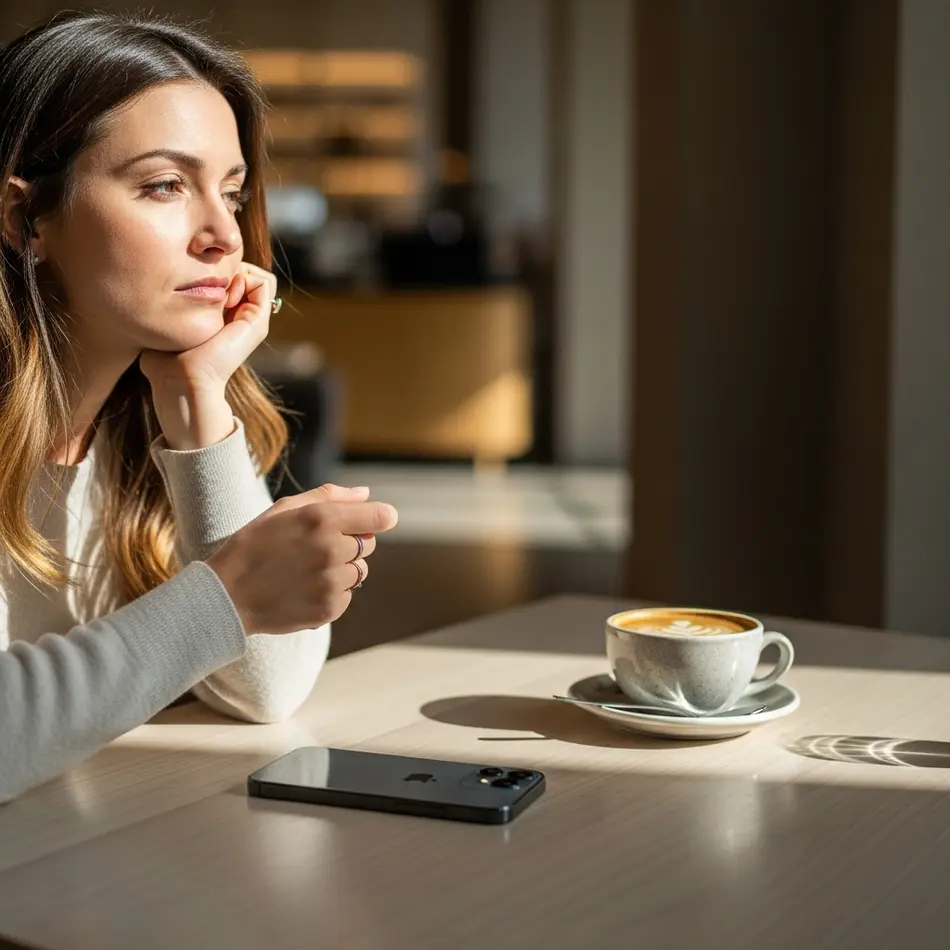
The slowdown didn’t happen by accident. Digital culture played a role in speeding love up—and now it’s quietly pulling back.
Dating apps once promised efficiency. Swipe, match, meet. But by 2026, many women have grown tired of fast connections that burn out just as quickly. Even those still using apps describe a change in approach. Fewer dates. Longer conversations. Less urgency to define things immediately.
Social media fatigue has also reshaped Valentine’s Day. Not everything needs to be shared. Not every relationship moment has to be captioned.
For women who’ve spent years watching romantic milestones unfold on screens—often filtered, edited, and idealized—there’s comfort in stepping away from comparison. Slowing down feels like reclaiming something real.
Fashion Reflects the Mood: Soft, Familiar, Personal
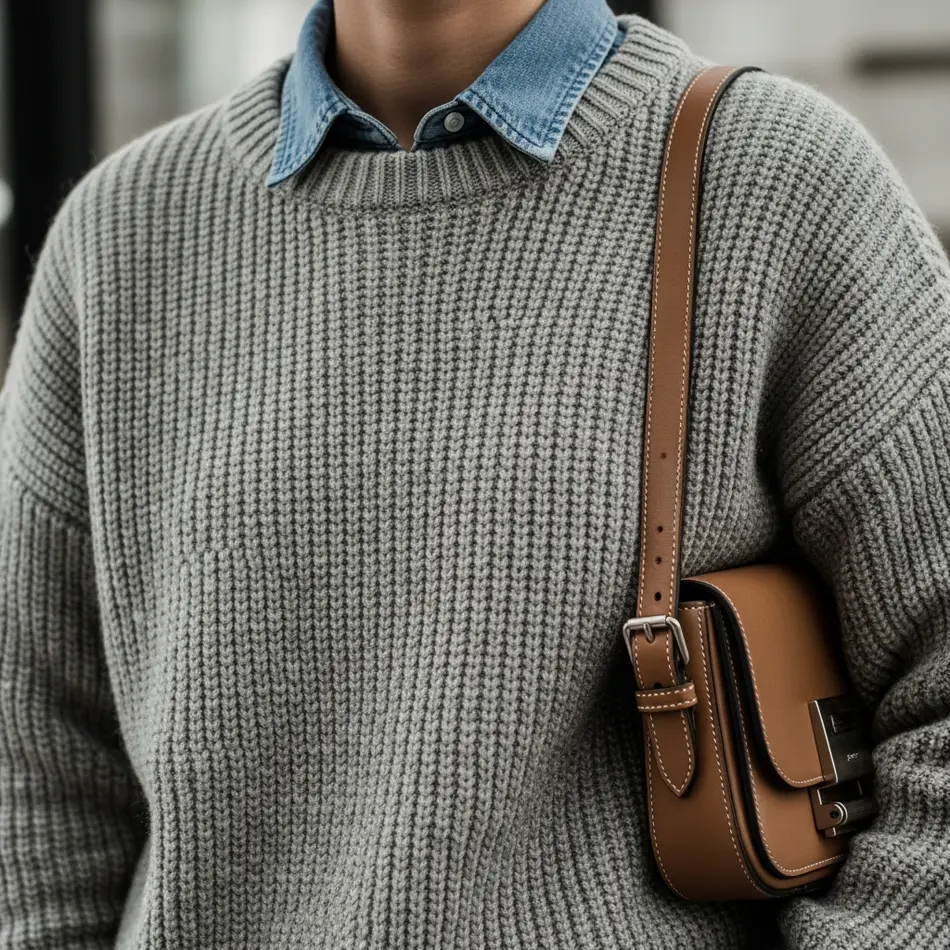
Fashion has always mirrored emotional shifts, and Valentine’s Day 2026 is no exception.
Instead of trend-driven outfits meant to signal romance, many women are choosing pieces that already belong to them. A favorite sweater. A dress worn many times before. Shoes that won’t hurt halfway through the night.
This isn’t about rejecting beauty. It’s about redefining it.
At Fashion Newz Room, editors have noticed that readers respond more to styling stories rooted in everyday life—what women actually wear when love feels settled, evolving, or quietly meaningful. Valentine’s fashion now leans toward authenticity over drama.
Beauty choices tell the same story. Makeup looks are softer, more skin-focused. Fragrance choices feel intimate rather than attention-grabbing—scents worn for the person sitting across the table, not the room.
Love Beyond Romance: Redefining February 14
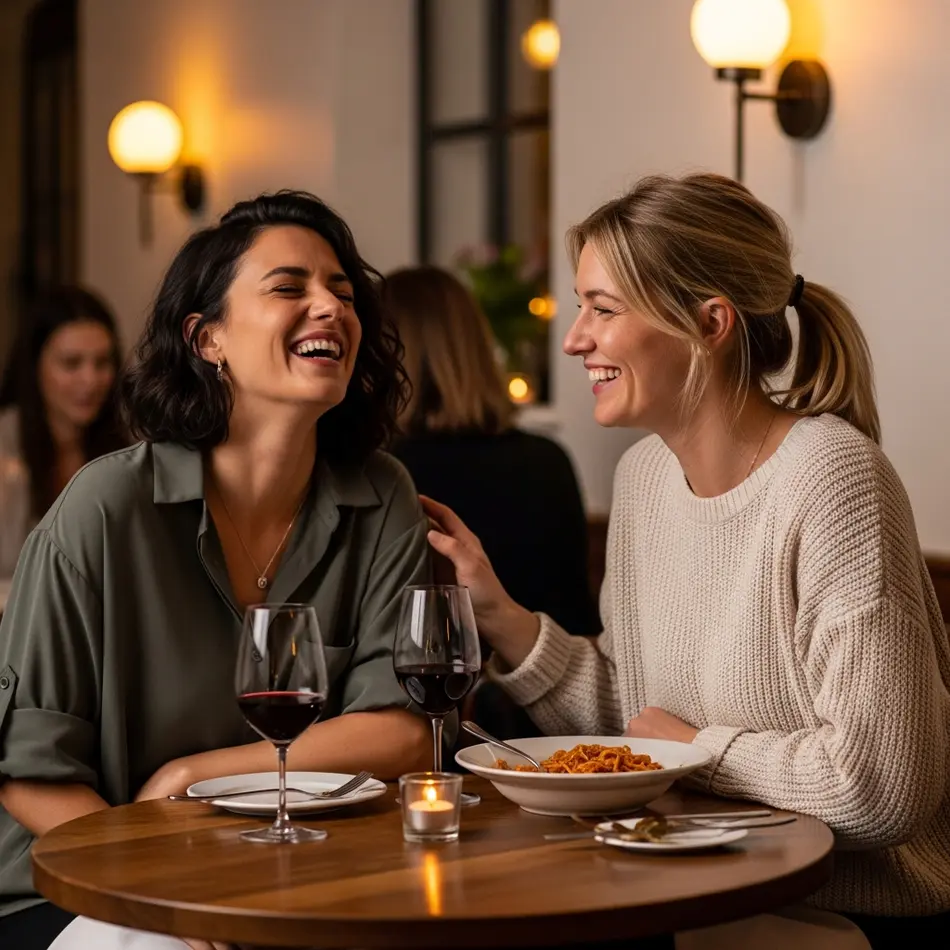
Another reason Valentine’s Day feels slower is that it’s no longer centered solely on romantic relationships.
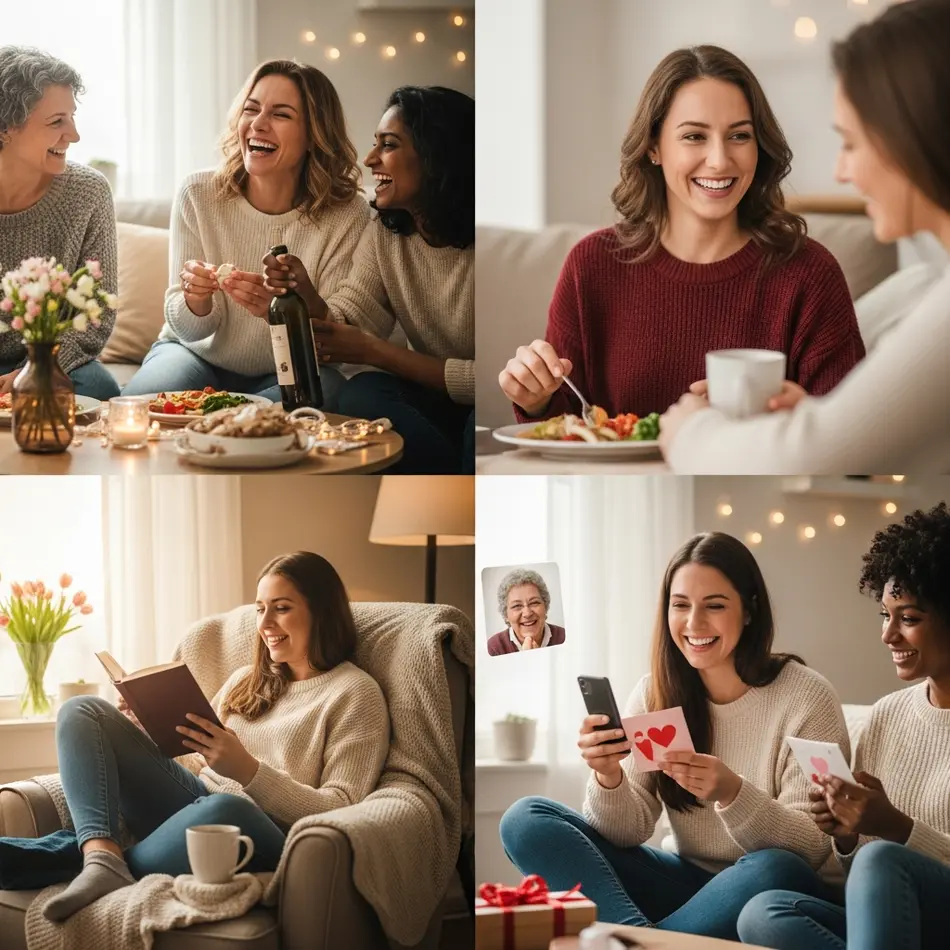
Women are expanding what the day can hold. Dinner with a close friend. A long phone call with a sister. A quiet night alone with a book and good skincare. These choices are no longer framed as alternatives—they’re simply valid expressions of love.
For women navigating singlehood, long-term partnerships, divorce, or new beginnings, this shift matters. Valentine’s Day doesn’t demand a specific relationship status anymore. It makes space instead.
That change feels particularly important in 2026, when many women are balancing emotional labor across multiple roles. Love isn’t just something received from a partner—it’s something maintained, protected, and sometimes withheld for self-preservation.
Modern Love Isn’t Rushed—It’s Negotiated
There’s also a practical side to the slowdown.
Modern relationships require more conversation than ever before. Expectations around work, mental health, independence, finances, and future plans are more openly discussed now. Love isn’t something that simply “falls into place.” It’s shaped through ongoing negotiation.
This reality doesn’t lend itself to fast romance.
Women speak openly about needing time—to trust, to feel safe, to integrate someone into an already full life. Valentine’s Day, once framed as a milestone moment, now fits into a much longer emotional timeline.
It’s not a test. It’s just a day.
The Quiet Luxury of Being Known
If there’s a phrase that captures Valentine’s Day 2026, it might be quiet recognition.
Not grand gestures. Not elaborate surprises. But being understood.
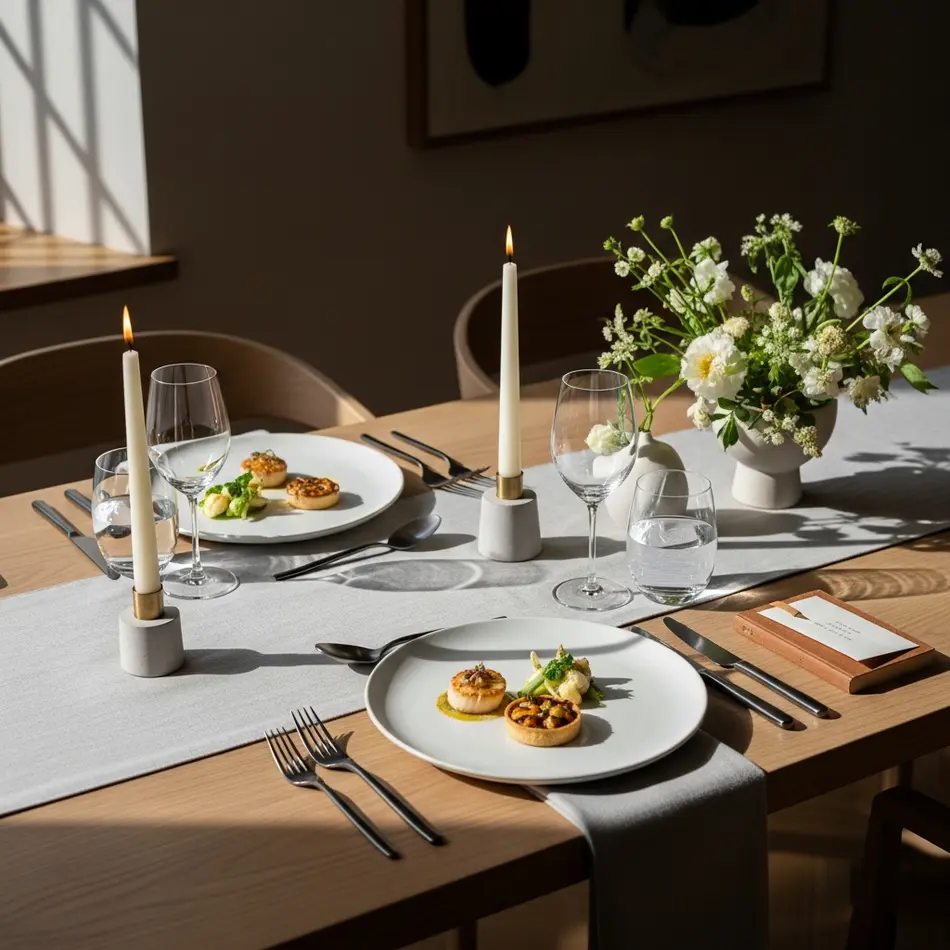
A partner remembering how you take your coffee. A friend showing up when you didn’t ask. Choosing a restaurant because it’s where conversations last, not because it photographs well.
This kind of intimacy doesn’t shout. It doesn’t rush. It unfolds slowly, and often invisibly.
Fashion mirrors this, too. The rise of understated silhouettes, neutral palettes, and well-worn textures reflects a broader desire for depth over display. Love, like style, feels better when it fits naturally into your life.
Why This Shift Matters to Real Women
The slowdown in modern love isn’t a trend—it’s a response.
For many women, life has become louder, faster, and more demanding. Work follows you home. Notifications never stop. Emotional labor is constant. In that context, choosing slower love becomes an act of care.
It allows space to breathe.
Valentine’s Day 2026 matters because it shows that romance can exist without urgency or pressure. That relationships don’t have to be proven publicly to be meaningful. That love can be gentle, evolving, and imperfect—and still deeply satisfying.
This shift also gives women permission to prioritize emotional safety over spectacle. To value consistency over intensity. To move at a pace that honors their lived experience.
At FashionNewzRoom.com, these conversations come up again and again—not as theories, but as reflections from readers navigating real lives. Love, like fashion, works best when it aligns with who you are now, not who you were expected to be.
A Valentine’s Day That Feels Like Real Life
Perhaps the most telling sign of all is how unremarkable Valentine’s Day feels this year—in the best possible way.
There’s less pressure to make it “special” and more freedom to make it honest. To spend it in ways that reflect actual relationships, not idealized versions of them.
This quieter Valentine’s Day doesn’t reject romance. It respects it enough not to rush it.
And that, in 2026, feels like progress.
Found this helpful? Save it to your Pinterest board!