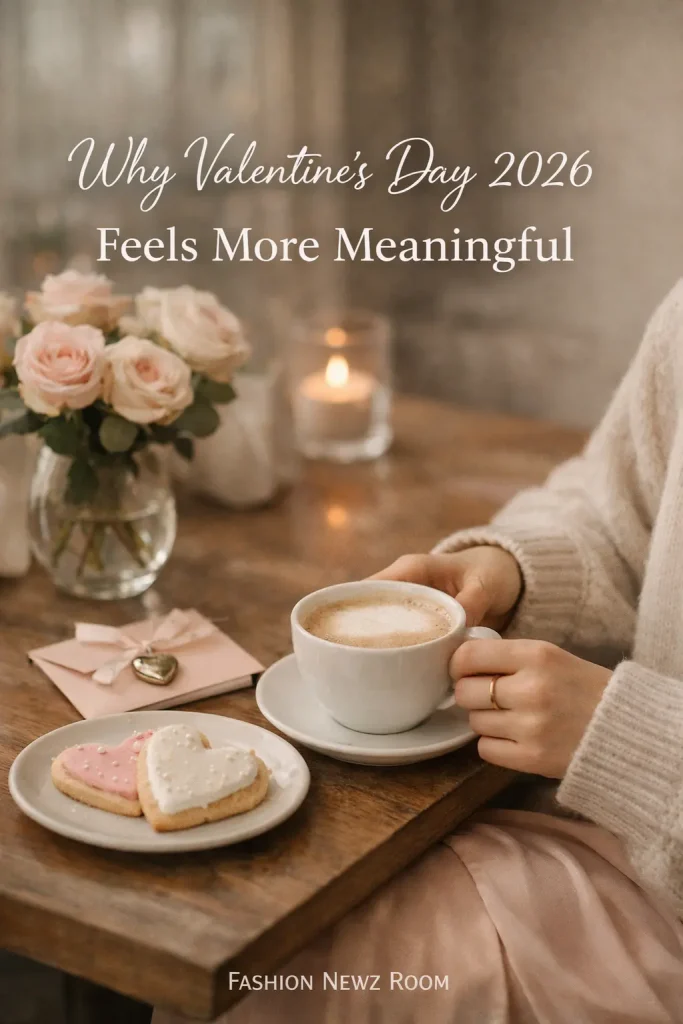
There was a time when Valentine’s Day arrived like a shout. Red everywhere. Glossy windows. Hearts stacked on top of hearts, insisting on attention. You could feel it weeks ahead—emails piling up, shop displays turning syrupy overnight, social feeds filling with declarations that felt strangely identical.
This year feels different.
Valentine’s Day 2026 hasn’t disappeared, but it has softened. The noise has dialed down. The expectations have loosened. And for many women, that quiet shift feels like relief rather than loss.
I’ve been noticing it not just on runways or brand campaigns, but in everyday moments—what women are wearing to dinner, how they’re talking about the day, and, just as telling, how many are choosing to barely mark it at all. Romance hasn’t gone away. It’s just stopped performing.
A Quieter Visual Language
Table of Contents

The most immediate change is visual. Red is still around, but it’s deeper now—wine instead of cherry, rust instead of scarlet. Lace hasn’t vanished, but it’s worn under knits or paired with flat boots. The look is less “Valentine’s outfit” and more “what I already like, slightly considered.”
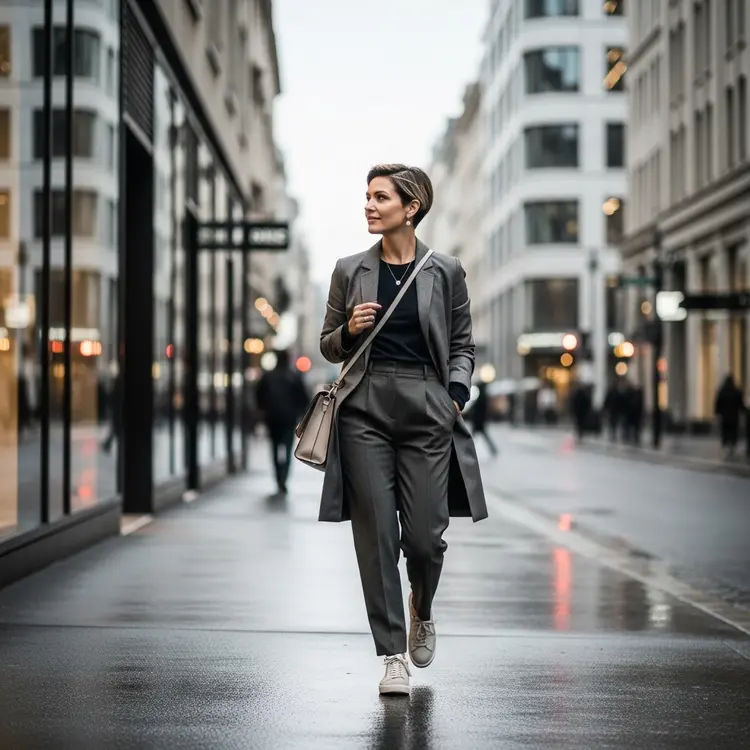
In New York and Toronto, I’ve seen women head out for Valentine’s dinners in tailored trousers, soft blouses, hair left mostly alone. In Melbourne and Sydney, silk slips peek out beneath oversized blazers, worn with sandals that suggest comfort wasn’t sacrificed for symbolism.
There’s intention, but not spectacle.
This isn’t minimalism as a trend. It’s restraint as a mood.
At FashionNewzRoom, this shift has been showing up more clearly with every season. Less interest in one-night fashion moments. More attention on pieces that feel lived-in, emotionally neutral, and honest.
When Romance Stopped Needing an Audience
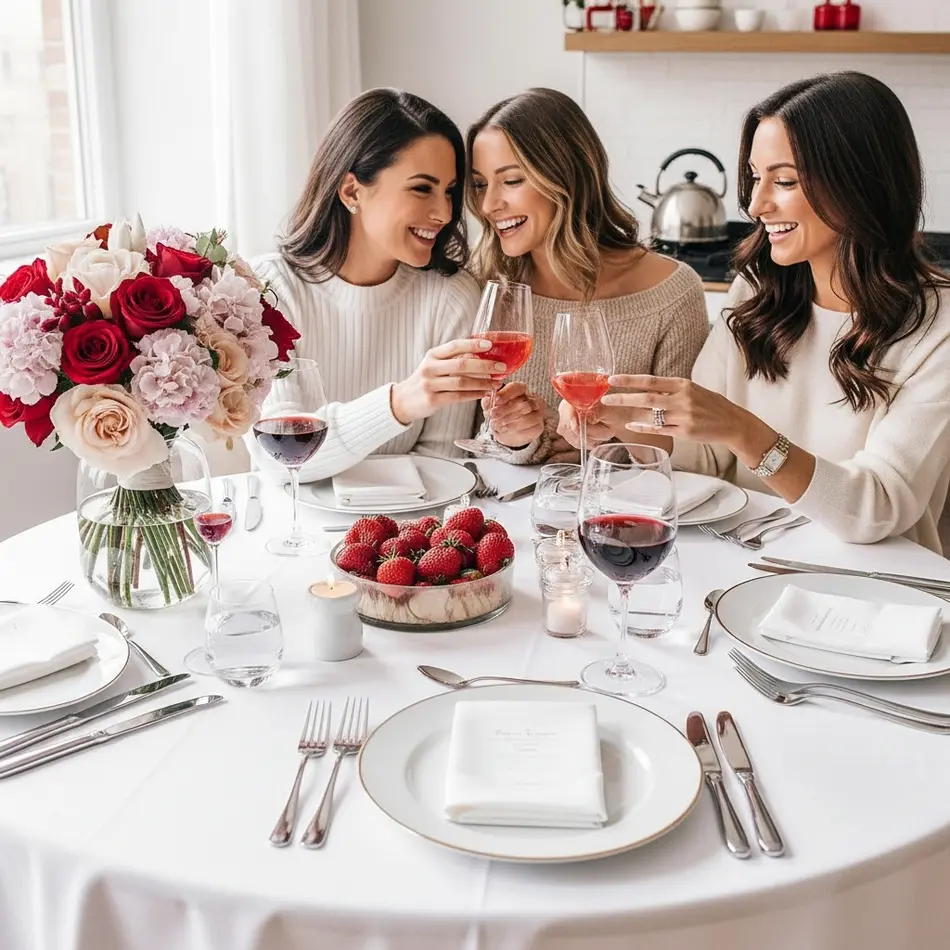
Part of what’s changed is the audience itself.
Valentine’s Day used to be as much about being seen as being felt. Instagram fed that appetite. Perfect tables. Perfect bouquets. Perfect angles. The performance of romance became almost indistinguishable from the experience.
But digital culture has matured—and tired. Many women I speak to now describe a quiet disengagement from posting anything at all. Not because their relationships are lacking, but because intimacy feels diluted once it’s filtered, captioned, and opened to interpretation.
There’s a growing sense that some things don’t need proof.
That doesn’t mean romance has become smaller. It’s become more private.
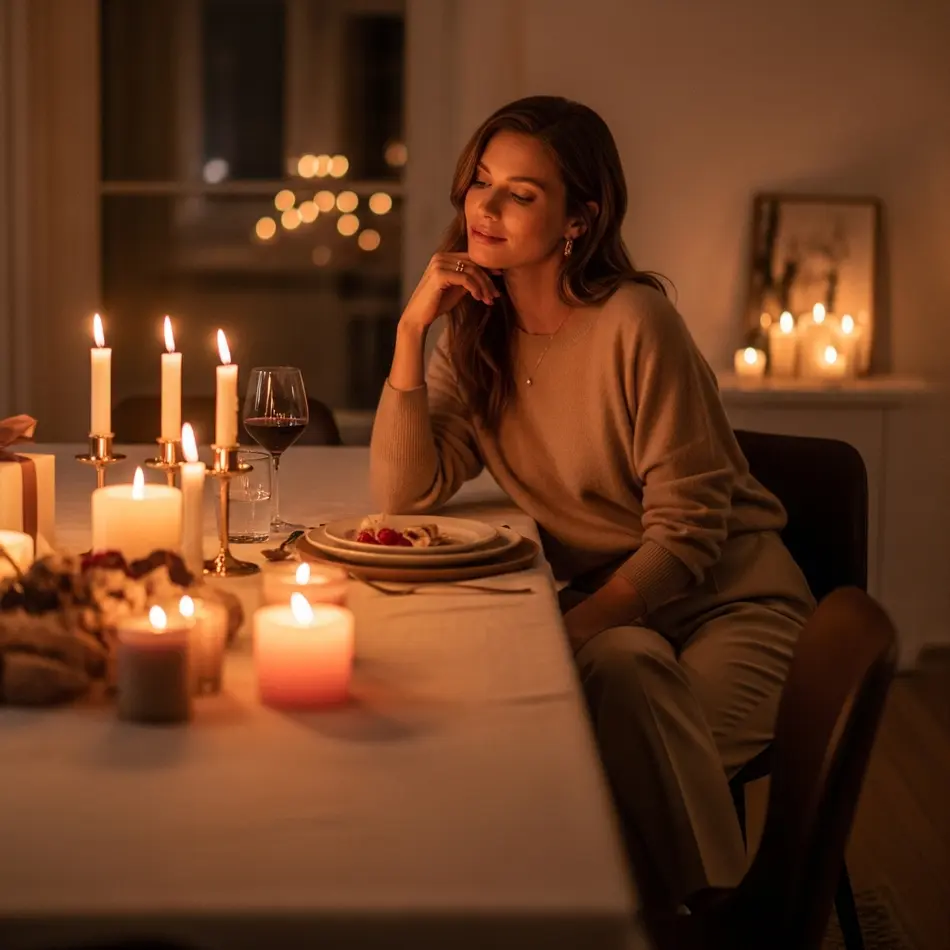
A shared lunch during a workday. A handwritten note slipped into a coat pocket. Cooking together instead of booking the hardest-to-get table. These moments don’t photograph well, and that may be exactly why they matter again.
Dressing for the Day, Not the Algorithm

Fashion always reflects emotional undercurrents, and Valentine’s Day 2026 is no exception.
Instead of novelty dresses bought for one evening, many women are choosing familiar silhouettes—pieces that already feel like themselves. A dress worn before. Shoes broken in. Jewelry that carries memory rather than shine.
I spoke recently with a woman in her late thirties who described wearing the same black midi dress she’s owned for five years. “It’s not special,” she said. Then she paused. “Actually, it is. Just not new.”
That distinction matters.
The idea that meaning comes from accumulation—new outfits, new gestures, new proof—has worn thin. What feels refreshing now is repetition with intention. Wearing something because it fits your body and your life, not because it signals the right thing.
This is especially noticeable among women balancing work, relationships, and care responsibilities. Valentine’s Day isn’t an escape from reality anymore. It sits inside it.
Love Without the Script

For years, Valentine’s Day followed a script so rigid it left little room for interpretation. Flowers meant this. Jewelry meant that. Dinner reservations equaled effort. Anything else required explanation.
That script has loosened.
In 2026, there’s more acceptance of different emotional rhythms. Not every relationship is in a peak moment. Not every woman wants to be celebrated loudly. Some want calm. Some want normalcy. Some want to be left alone entirely.
And that’s not framed as failure anymore.
There’s also more honesty around ambivalence. Loving someone deeply doesn’t always align with enjoying Valentine’s Day. That tension is being acknowledged rather than hidden.
At Fashion Newz Room, we’ve noticed how readers respond more to stories that sit in that gray space—where affection exists alongside fatigue, where commitment doesn’t need decoration.
Beauty That Feels Like Self-Recognition
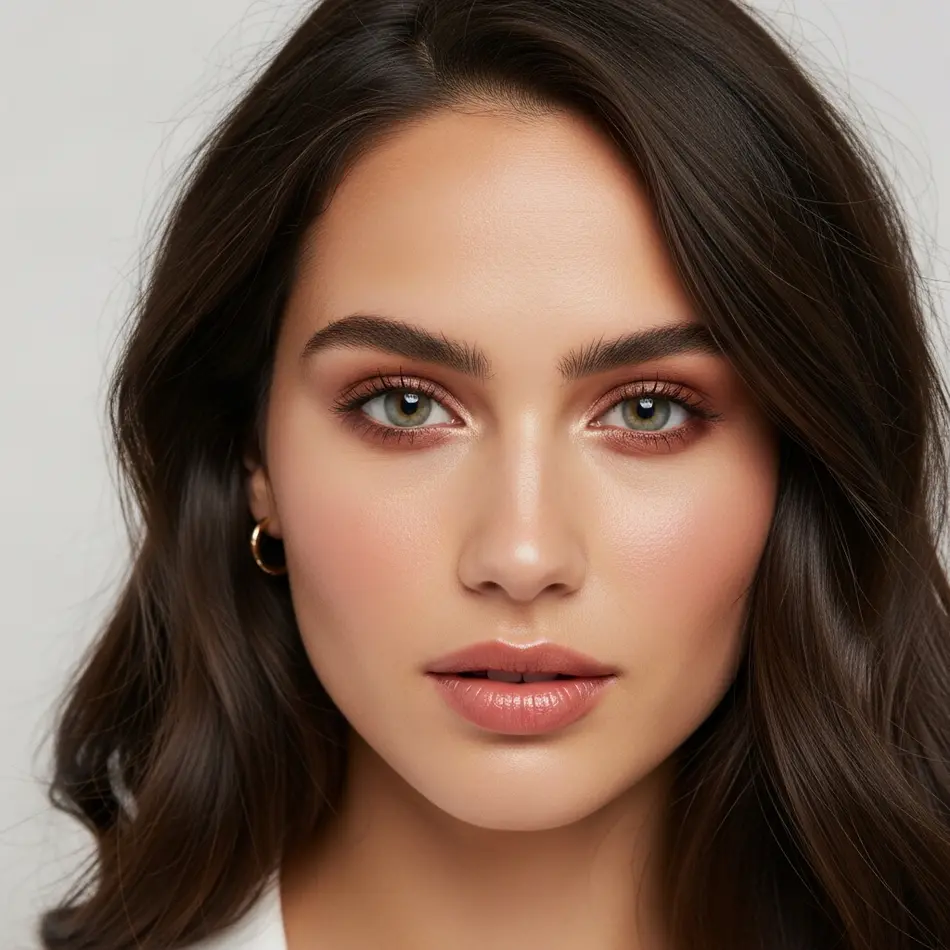
Beauty choices around Valentine’s Day have softened too.
Instead of dramatic transformations, many women are leaning into subtlety: skin that looks like skin, hair that moves, makeup that fades naturally through the evening. Not undone, but unforced.
This isn’t about trends moving away from glamour. It’s about choosing when glamour feels appropriate.
For a lot of women, the most appealing version of beauty right now is one that doesn’t require vigilance. No constant checking. No fear of smudging or slipping. Just being present.
A woman in her twenties told me she skipped lipstick entirely this year because she didn’t want to think about it while talking. That choice, small as it sounds, reflects something larger—a desire to experience moments fully, without self-monitoring.
The Economic Undercurrent We Don’t Talk About Enough

There’s another layer beneath this quieter Valentine’s Day, and it’s not purely emotional.
Cost consciousness has changed behavior. Not dramatically, not loudly—but steadily. Many women are more aware of where their money goes and what it returns emotionally.
The pressure to perform romance through spending feels increasingly out of sync with real life. Especially for women managing households, paying rent or mortgages, and thinking long-term, Valentine’s Day excess can feel oddly hollow.
Meaning, it turns out, doesn’t scale with price.
A thoughtful gesture costs time and attention, not necessarily money. And time, in 2026, feels more valuable than ever.
Why This Shift Matters to Real Women
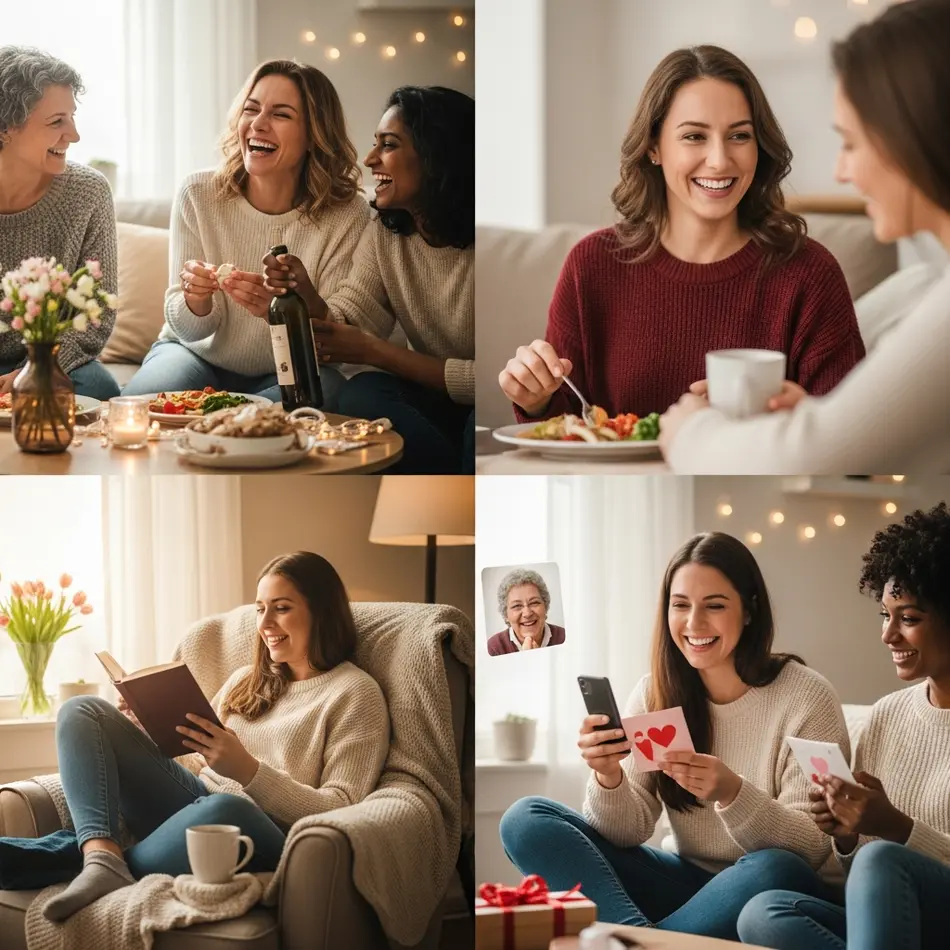
This quieter Valentine’s Day matters because it aligns more closely with how many women actually live.
Life isn’t curated in perfect lighting. Relationships aren’t always symmetrical in effort or emotion. Desire doesn’t peak on schedule. And love, most of the time, is something woven into routines rather than staged above them.
When Valentine’s Day becomes less demanding, it leaves room for authenticity. It allows women to participate on their own terms—or opt out without explanation.
That freedom is not trivial.
For women who have spent years adjusting themselves to expectations—romantic, aesthetic, emotional—this softer version of the holiday feels like permission to exhale.
The Role of Fashion Media in the Shift
Fashion media hasn’t always helped. For a long time, it amplified the loudest versions of love and style, reinforcing the idea that visibility equaled value.
But that’s changing too.
At Fashion Newz Room, the editorial conversations have shifted toward realism—how clothes feel after hours, how beauty fits into actual days, how emotional nuance shows up in style choices. Not because it’s virtuous, but because it’s accurate.
Readers respond to that honesty. They recognize themselves in it.
The industry is slowly learning that meaning resonates longer than spectacle.
Valentine’s Day, Reimagined as a Pause
What stands out most about Valentine’s Day 2026 is not what’s been added, but what’s been removed.
Less urgency. Less comparison. Less insistence on proof.
What’s left is quieter but sturdier. Moments that belong to the people experiencing them. Clothes chosen because they feel right. Beauty that supports presence rather than distraction.
This version of the holiday doesn’t ask women to become someone else for a day. It meets them where they already are.
And that may be why it feels, unexpectedly, more meaningful.
Found this helpful? Save it to your Pinterest board!