In recent years, a quiet revolution has been taking place right beneath our feet. From city sidewalks to running trails, a growing number of people are ditching their thick-soled, cushioned trainers for something radically different: barefoot shoes. This movement, inspired by the way our ancestors and indigenous populations like the Tarahumara Indians of Mexico moved, champions a back-to-basics approach to foot health . The premise is simple—by mimicking the experience of walking without shoes, these minimalist designs aim to strengthen our feet and restore our natural gait. But as brands from Vibram to Vivobarefoot gain popularity and new models like the lorax pro barefoot shoes emerge, a critical question remains for the conscious consumer: is this a profound shift towards better health and a lighter planetary footprint, or just another wellness fad? Let’s dig deeper into the story behind the hype.
What Exactly Are Barefoot Shoes?
Table of Contents
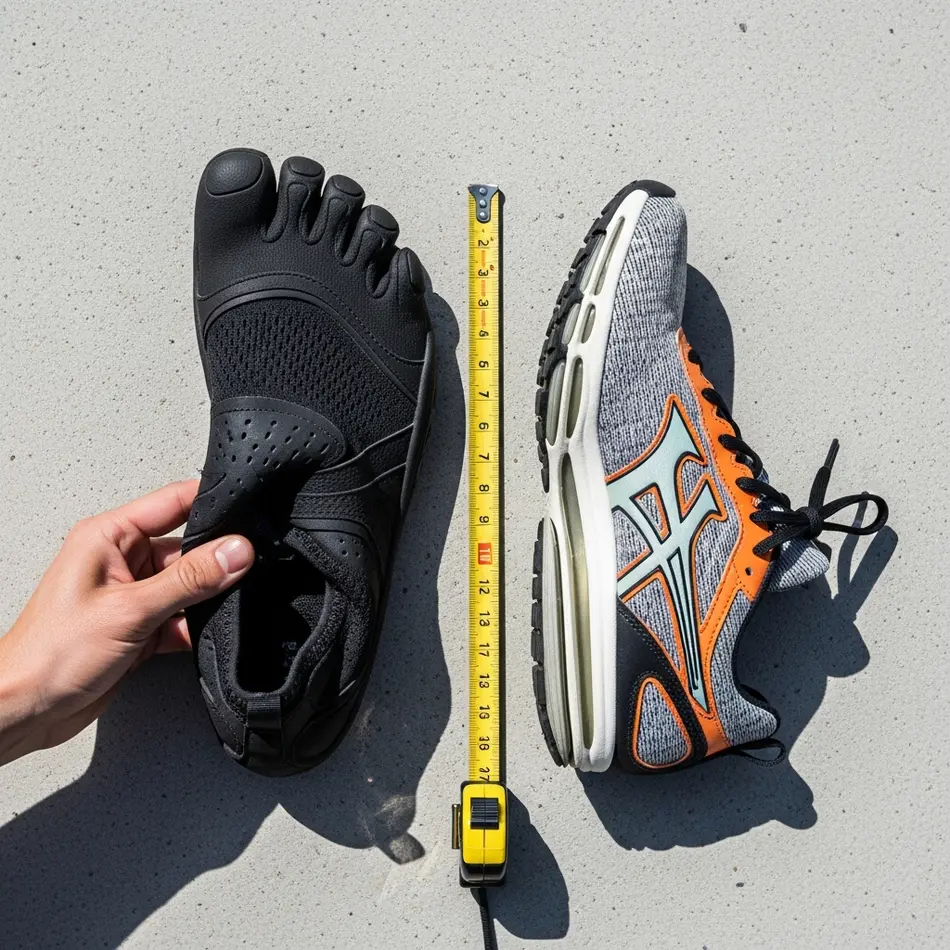
Imagine a shoe that tries to be as close to nothing as possible. That’s the essence of a barefoot shoe. Often called minimalist footwear, these are not just ordinary shoes with the soles chopped off; they are meticulously designed to provide protection from the elements while offering minimal interference with the foot’s natural movement . But what defines them? True barefoot shoes typically share three key characteristics: a thin, flexible sole that allows you to feel the ground; a wide toe box that lets your toes splay and relax naturally; and a “zero-drop” platform, meaning your heel and forefoot are at the same height, unlike traditional running shoes which often have an 8-12mm raised heel . This design philosophy stands in stark contrast to the “maximalist” shoes that have dominated the market—the ones often advertised as feeling like “running on cloud nine” . The barefoot movement argues that while cushioning feels comfortable initially, it ultimately disengages the complex musculature of our feet. By putting your feet in a wide, flexible, and flat environment, barefoot shoes aim to wake up the over 200,000 nerve receptors on the soles of your feet, encouraging better balance, proprioception, and a more natural connection to the world beneath you .
The Science and Benefits of Going Minimalist
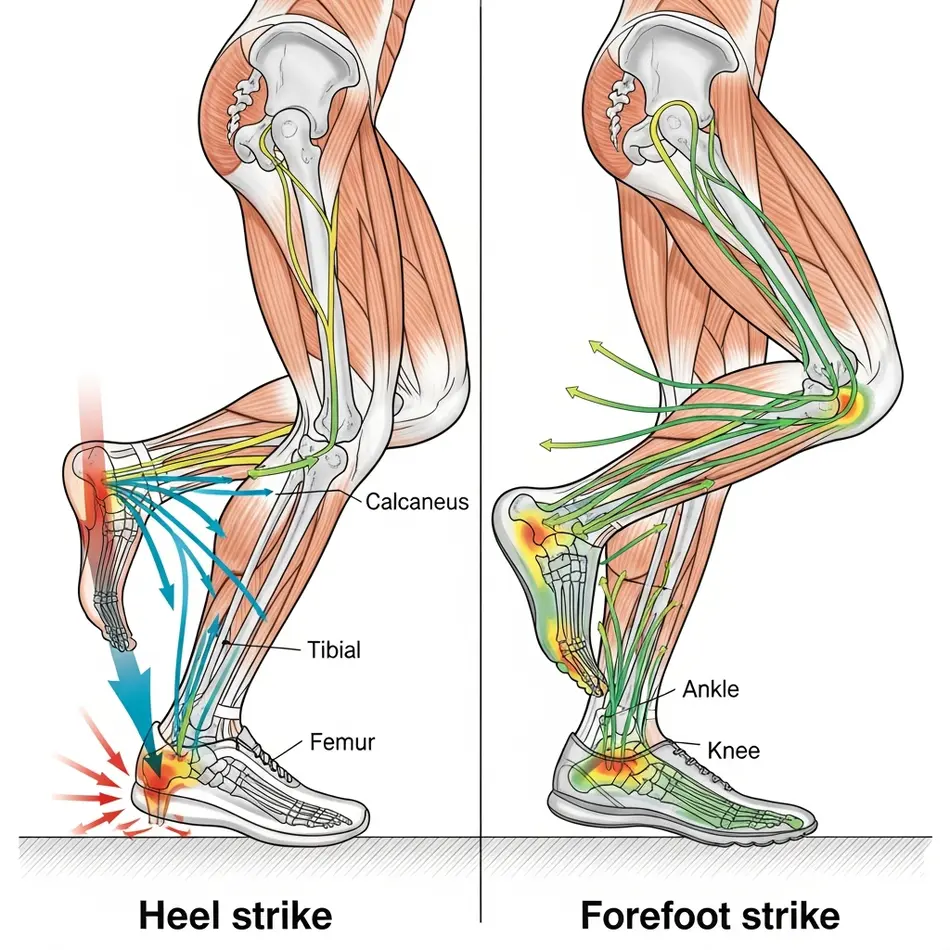
The theory behind barefoot shoes isn’t just marketing poetry; it’s grounded in observable changes in biomechanics and foot physiology. So, what does the evidence suggest? Research indicates that switching to barefoot or minimalist footwear often leads to a noticeable shift in how you run and walk . You’ll likely transition from a heel-strike to a midfoot or forefoot strike, which can reduce the initial impact peak—that sudden jolt of force that travels up your leg with each heel strike . This change in landing pattern doesn’t make the forces disappear, but it does redirect them. The load is shifted from the knees and hips to the muscles and tendons of the ankles and feet . For some, this can mean a welcome relief from nagging knee pain. Furthermore, the very act of walking or running without the crutch of arch support and cushioning forces the intrinsic muscles—the small, often-neglected muscles within the foot—to finally get to work. One functional podiatrist notes that “being barefoot or in a barefoot shoe is actually as good as doing strengthening exercises for your feet” . This can lead to a more robust, more resilient foot architecture over time. The benefits also extend to simple awareness. The thin sole forces you to be more mindful of your terrain, helping you avoid sharp objects and ultimately leading to a more engaged and potentially safer movement practice, whether you’re looking for the best barefoot shoes for running or sturdy barefoot sneakers womens styles for all-day wear.
The Potential Drawbacks and Risks You Can’t Ignore
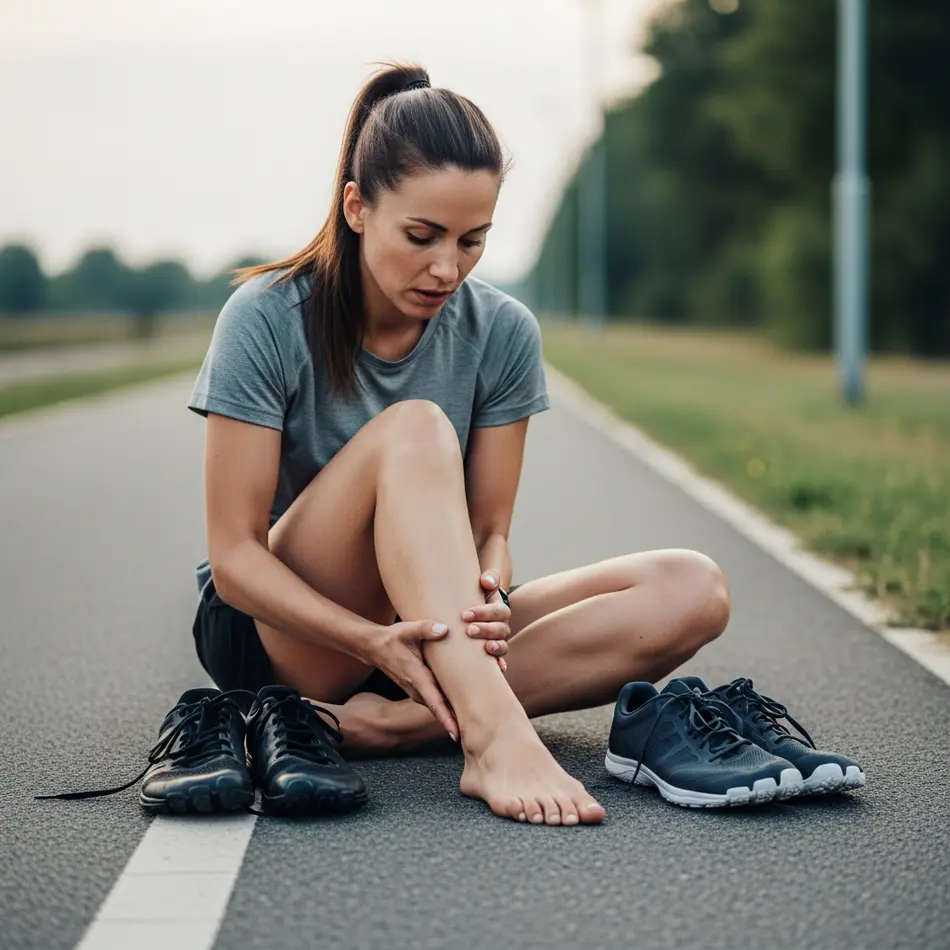
For all their potential benefits, barefoot shoes are not a magic bullet, and a hasty transition is a one-way ticket to injury. The most significant risk lies in overloading tissues that have been underused for decades. When you switch to a forefoot strike and remove the cushioning, the stress on your calves, Achilles tendons, and the plantar fascia on the bottom of your foot increases dramatically . This is why a sudden shift to minimalist shoes is frequently linked to a spike in cases of Achilles tendonitis, calf strains, and metatarsal stress fractures . In fact, when barefoot shoes first surged in popularity about 15-20 years ago, clinics saw a corresponding spike in stress fractures, largely attributed to people doing too much, too soon . It’s also crucial to understand that the scientific jury is still out on the grand claim of overall injury prevention. A systematic review concluded there is no clear evidence that barefoot running lowers injury risk compared to shod running . What the evidence does show is that the type of injury often changes. While barefoot runners may experience fewer knee and hip issues, they often see a higher incidence of foot and calf injuries . The following table illustrates this shift in injury patterns:
| Injury Type | Traditional Shod Running | Barefoot/Minimalist Running |
|---|---|---|
| Knee/Hip Injuries | Higher incidence | Lower occurrence |
| Plantar/Foot Injuries | Lower | Higher (e.g., blisters, metatarsal stress) |
| Calf/Achilles Issues | Typical occurrence | Higher occurrence |
This data clearly shows that it’s not about which is safer, but rather about where your body will experience the load . For individuals with certain pre-existing conditions, such as high arches, flat feet, or plantar fasciitis, jumping into barefoot shoes without professional guidance could potentially exacerbate their problems .
Barefoot Shoes for Women: A Closer Look
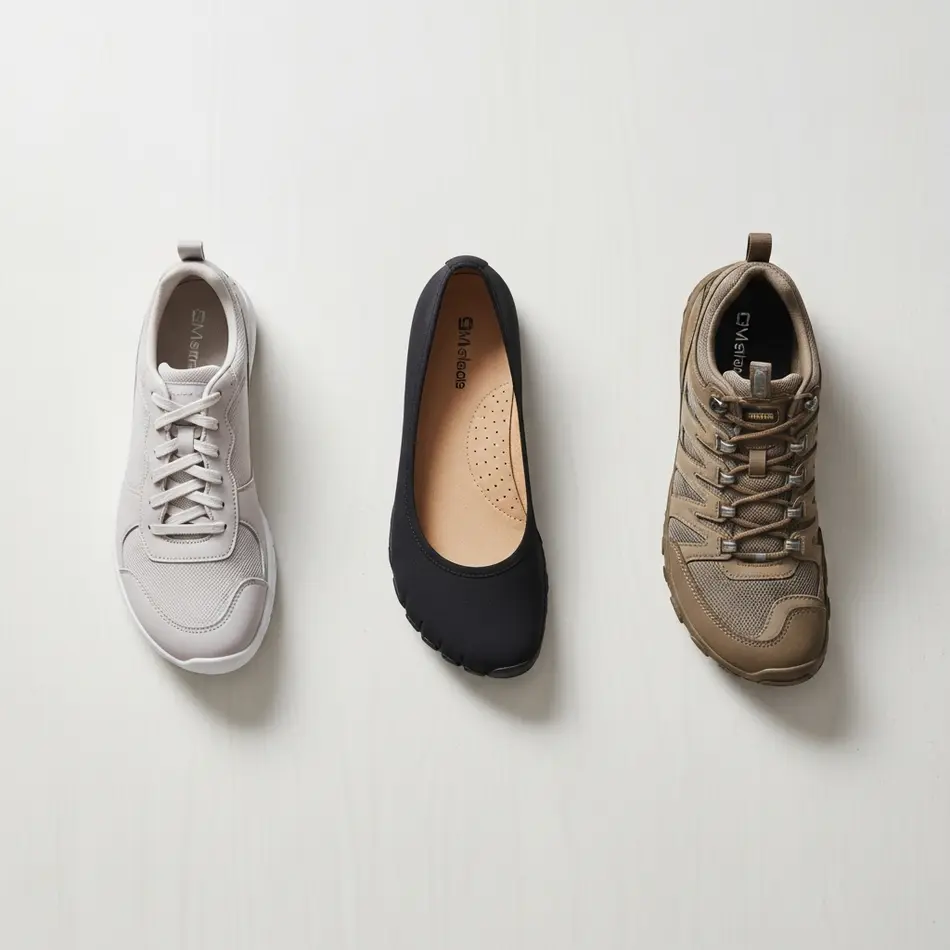
The market for barefoot shoes women has exploded, offering everything from elegant dress shoes to rugged trail runners. For women, the appeal often goes beyond just athletic performance. Many popular ladies barefoot shoes are designed with a focus on aesthetics, proving that minimalist footwear can be both functional and fashionable. Brands have worked to create versatile options that can seamlessly transition from a morning workout to a day at the office. Furthermore, the wide toe box design can be a game-changer for foot comfort, especially for those who have spent years squeezing their feet into narrow, pointed-toe shoes. This is not just about comfort; it’s about long-term health. Some podiatrists point to studies comparing Western populations to predominantly barefoot populations, noting that issues like bunions (Hallux Valgus) are far less common in communities that don’t wear constrictive footwear . For women who are on their feet all day, the right pair of minimalist shoes for women can encourage better posture and a more natural gait by allowing the foot to move as nature intended. However, the key is to find a pair that fits perfectly. A shoe that is too roomy can cause the foot to slide around, leading to blisters, so it’s essential to seek out brands that offer a secure fit for your specific foot shape .
How to Safely Transition to Barefoot Shoes
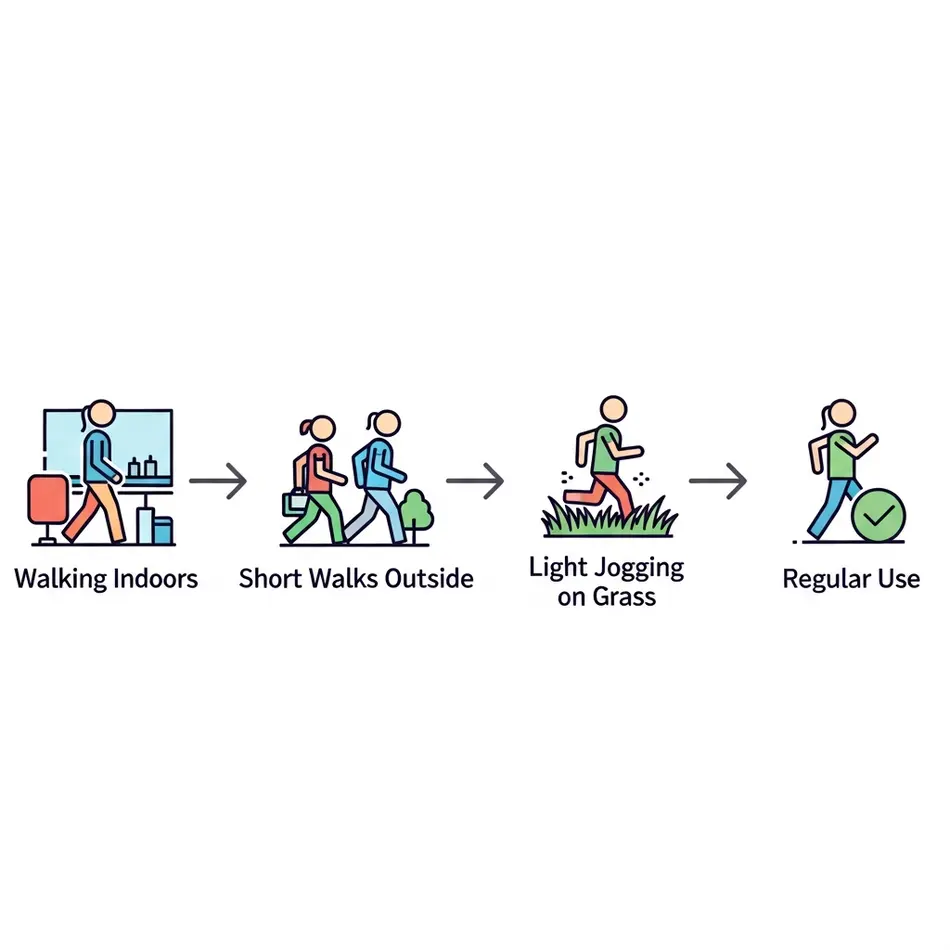
If you’re intrigued by the potential of barefoot shoes, the single most important piece of advice is to transition with patience and purpose. Your body needs time to adapt—think in terms of months, not weeks. Rushing this process is the most common mistake and the primary cause of injury. Start by walking in your new barefoot shoes around your house or on soft, natural surfaces like grass for just 5-10 minutes at a time, once or twice a week . Listen to your body intently; mild muscle soreness in your arches and calves is normal as new muscles are being engaged, but any sharp, stabbing, or tendon-related pain is a clear signal to stop and rest. Alongside this gradual introduction, actively work on strengthening your feet. Simple exercises like calf raises, picking up marbles with your toes, and balancing on one foot can build the foundational strength needed for the new demands you’re placing on your body . A powerful strategy is to mix and match your footwear. Don’t abandon your conventional shoes overnight. Alternate between your old supportive shoes and your new minimalist ones, slowly increasing the time you spend in the latter. This varied approach reduces repetitive stress and helps build resilience. As one evidence-based guide recommends, a realistic timeline for a full transition could be as long as 18 months for runners . The goal is not to sprint to the finish line, but to build a lifelong, injury-free relationship with natural movement.
Finding the Best Barefoot Shoes for You
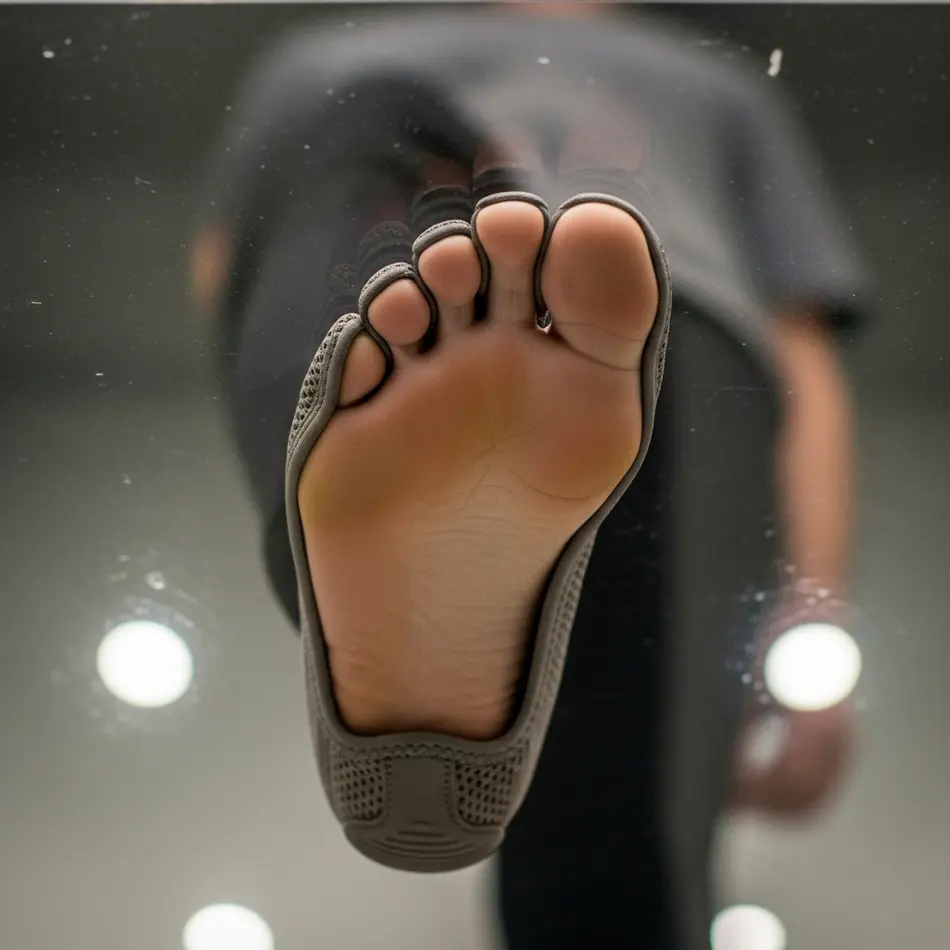
Navigating the growing world of minimalist footwear can be overwhelming, but knowing what to look for can help you find your perfect pair. The quest for the best barefoot shoes is highly personal and depends entirely on your intended use. However, the universal criteria remain: flexibility, a thin sole, a wide toe box, and a zero-drop design. For athletic activities like running or gym workouts, look for models with just enough protection for your chosen terrain—a slightly more rugged outsole for trails, for instance. For everyday barefoot sneakers womens, prioritize style and breathability alongside the core minimalist features. When trying on any barefoot shoes, your toes should be able to spread out fully without feeling cramped, but the heel and midfoot should still feel secure to prevent excessive sliding . The shoe should bend and twist with ease, mirroring the natural movement of your foot. While high-fashion iterations like hypothetical balenciaga barefoot shoes might grab headlines, it’s more important to focus on the fundamental principles of fit and function from brands dedicated to the minimalist philosophy. Your feet are the foundation of your entire body, and investing in footwear that respects their natural design is one of the most powerful steps you can take for your long-term mobility and health.
The Final Verdict: Weighing the Evidence
So, after weighing the potential for stronger feet and a more natural gait against the risks of a tricky transition and potential new injury patterns, are barefoot shoes worth the hype? The answer is not a simple yes or no. The evidence suggests that barefoot shoes are a powerful tool for some, but they are not a universally recommended solution. They can be fantastic for strengthening the intrinsic foot muscles, potentially improving running economy, and shifting load away from the knees . However, they also significantly increase the demand on your calves, Achilles, and the soles of your feet. The most balanced, evidence-informed view is that minimalist footwear changes how you move and where your body experiences stress, effectively allowing you to “choose your pain-point” . The hype is justified in the sense that they have brought much-needed attention to foot health and the importance of natural movement. Yet, the ultimate success of your experience with barefoot shoes hinges on a slow, mindful transition and a commitment to listening to your body. If you are patient, consistent with strengthening, and treat them as part of a broader strategy for health—not a miracle cure—then barefoot shoes can be a worthwhile investment in your long-term well-being, helping you walk more comfortably and connectedly for miles to come.
Found this helpful? Save it to your Pinterest board!