Valentine’s Day used to arrive loudly. It announced itself weeks in advance, filling inboxes, shop windows, and social feeds with the same visual shorthand—red roses, satin ribbons, heart-shaped promises of something bigger, shinier, more dramatic than real life usually allows.
Lately, though, something has shifted. Not in a headline-making way. More like a subtle exhale.
Across coffee shops, group chats, and dressing rooms, Valentine’s Day feels…quieter. Less performative. Less interested in proving anything to anyone. It still exists, of course. People still care. But the tone has softened, as if many women have collectively decided they’re done chasing a version of romance designed for algorithms rather than actual lives.
That evolution isn’t accidental. It’s happening in response to a world that feels constantly “on,” endlessly curated, and emotionally noisy.
Digital Fatigue Has Changed the Mood
Table of Contents

There’s a specific kind of exhaustion that comes from scrolling through other people’s romance. Perfect dinners. Perfect lighting. Perfect captions written to sound spontaneous but clearly edited three times.
For years, Valentine’s Day online became a performance—who received the biggest bouquet, the most extravagant surprise, the most publicly affirmed love. Even those in happy relationships felt the pressure. Especially those in happy relationships.
Now, more women are opting out of that comparison altogether. Not dramatically. Just quietly.
You see it in the way Instagram posts appear a little later, or not at all. In the choice to keep moments private rather than packaged. In the decision to log off instead of document.
At Fashion Newz Room, this shift has been showing up in small but telling ways—fewer “what to wear to impress” conversations, more interest in pieces that feel personal, comfortable, and lived-in. Romance, it seems, no longer needs an audience.
Romance, Rewritten for Real Life
The classic Valentine’s narrative always leaned toward excess. Excess emotion. Excess expectation. Excess symbolism.
But real life rarely fits inside a heart-shaped box.
For many women today, romance looks less like grand gestures and more like emotional steadiness. A partner who remembers how you take your coffee. An evening that doesn’t require reservations made three weeks in advance. A shared silence that feels easy rather than awkward.
This isn’t cynicism. It’s maturity.
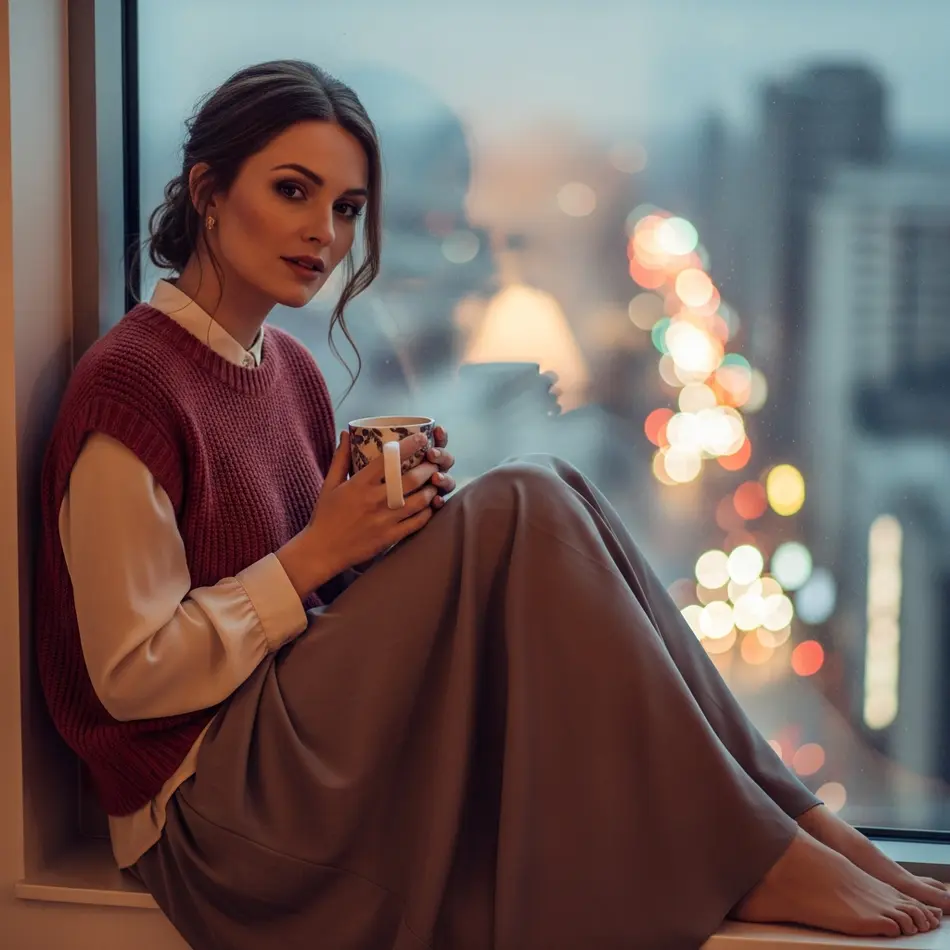
A woman in her mid-thirties recently described her ideal Valentine’s Day outfit as “something soft enough to sit on the couch in, but nice enough to answer the door without changing.” That sentence says more about modern romance than any viral post ever could.
The clothes, the plans, the expectations—they’ve all come down to earth.
Fashion Choices Reflect the Shift

There was a time when Valentine’s Day wardrobes were rigidly defined. Red dresses. High heels. Lace that looked good standing still but not much else.
Now, the aesthetic has loosened. You’ll still see red, but it’s deeper. Worn with denim. Layered under coats. Paired with flats or boots that can handle real sidewalks, not just polished restaurant floors.
Beauty routines have followed suit. Less contour, more skin. Lipstick chosen because it feels right, not because it photographs well under restaurant lighting.
This evolution isn’t about rejecting effort. It’s about redefining where effort matters.
Women are dressing for the night they actually want, not the image they’re expected to produce.
The Decline of Public Romance

There’s been a noticeable retreat from public declarations of love. Not because relationships are weaker, but because they no longer need constant validation.
Posting nothing has become its own statement.
That doesn’t mean romance is disappearing. It’s moving inward. Becoming less visible, more intentional.
A quiet dinner at home. A shared playlist. A walk taken without phones. These moments don’t trend, but they last.
On FashionNewzRoom.com, we’ve noticed readers responding more to stories that feel grounded—real women navigating love alongside careers, families, and their own evolving identities. The fantasy version of Valentine’s Day has lost some of its hold.
Single, Coupled, Somewhere in Between
One of the most meaningful changes around Valentine’s Day is how many women are no longer defining the day solely by relationship status.
Being single on February 14th used to come with an unspoken narrative of absence. Something missing. Something to compensate for.
That narrative feels outdated now.
Single women are planning evenings that feel indulgent without apology. Ordering in favorite meals. Wearing clothes that make them feel at ease. Treating the day as a pause rather than a problem.
Even for those in relationships, Valentine’s Day is no longer a referendum on happiness. It’s just a day. One moment within a much larger story.
This shift matters because it removes pressure. And pressure, as most women know, is rarely romantic.
Why This Matters to Real Women

This quieter Valentine’s Day reflects something deeper than seasonal fatigue. It mirrors how women are renegotiating their relationship with visibility, expectation, and emotional labor.
In a digitally tired world, choosing less noise is an act of self-respect.
For women balancing work, relationships, family, and personal identity, the old Valentine’s script often felt like another obligation to perform. Another checklist. Another thing to get “right.”
The evolving version allows space. Space to opt out. Space to redefine. Space to simply be.
That freedom—subtle as it may seem—is significant.
Love Without the Audience
There’s something deeply comforting about romance that doesn’t need to be explained or showcased. Love that exists comfortably off-screen.
More women are realizing that intimacy doesn’t improve with documentation. In fact, it often suffers.
This Valentine’s Day, many will choose presence over proof. A conversation uninterrupted by notifications. A meal eaten slowly. A moment allowed to pass without commentary.
These choices don’t announce themselves. But they change everything.
The Role of Media Is Shifting Too
Lifestyle media isn’t immune to digital fatigue. Readers can sense when content is written to sell rather than observe.
At Fashion Newz Room, the focus has gradually moved toward reflection—how trends intersect with real lives, how fashion supports rather than dictates identity. Valentine’s Day coverage has followed that path, becoming less prescriptive and more observant.
It’s no longer about telling women how to celebrate. It’s about acknowledging how they already are.
That distinction matters.
A Softer Kind of Celebration
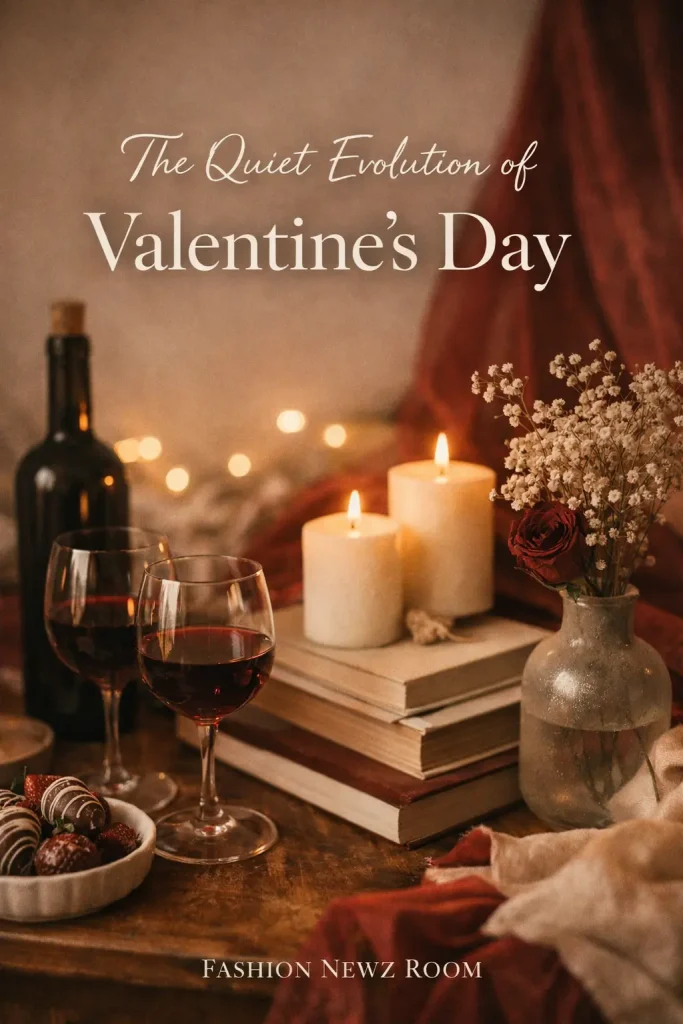
Valentine’s Day hasn’t disappeared. It’s just learning to speak more quietly.
It shows up in thoughtful gestures rather than grand ones. In clothing that feels like an extension of the self. In beauty routines that prioritize comfort over spectacle.
It looks different depending on who you are and where you are in your life. And that flexibility is its strength.
In a world that asks women to constantly present, perform, and perfect, a quieter Valentine’s Day feels like a small rebellion. A gentle one. The kind that doesn’t need applause.
And perhaps that’s the most romantic evolution of all.
Found this helpful? Save it to your Pinterest board!