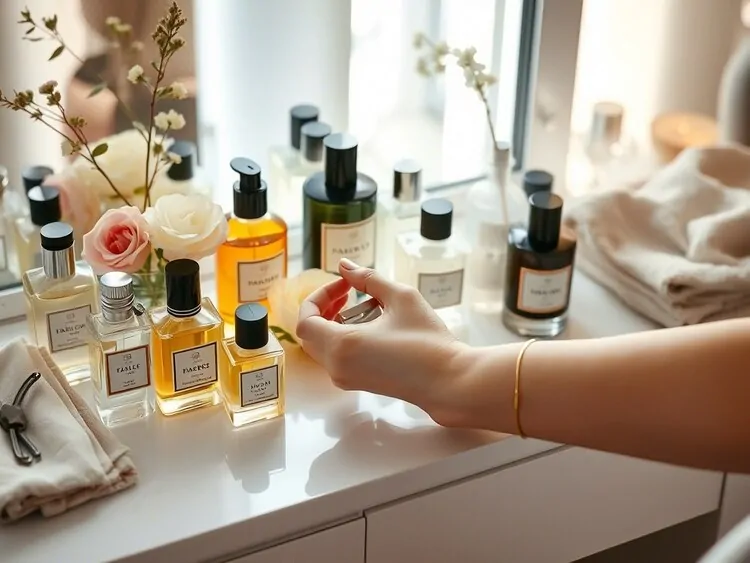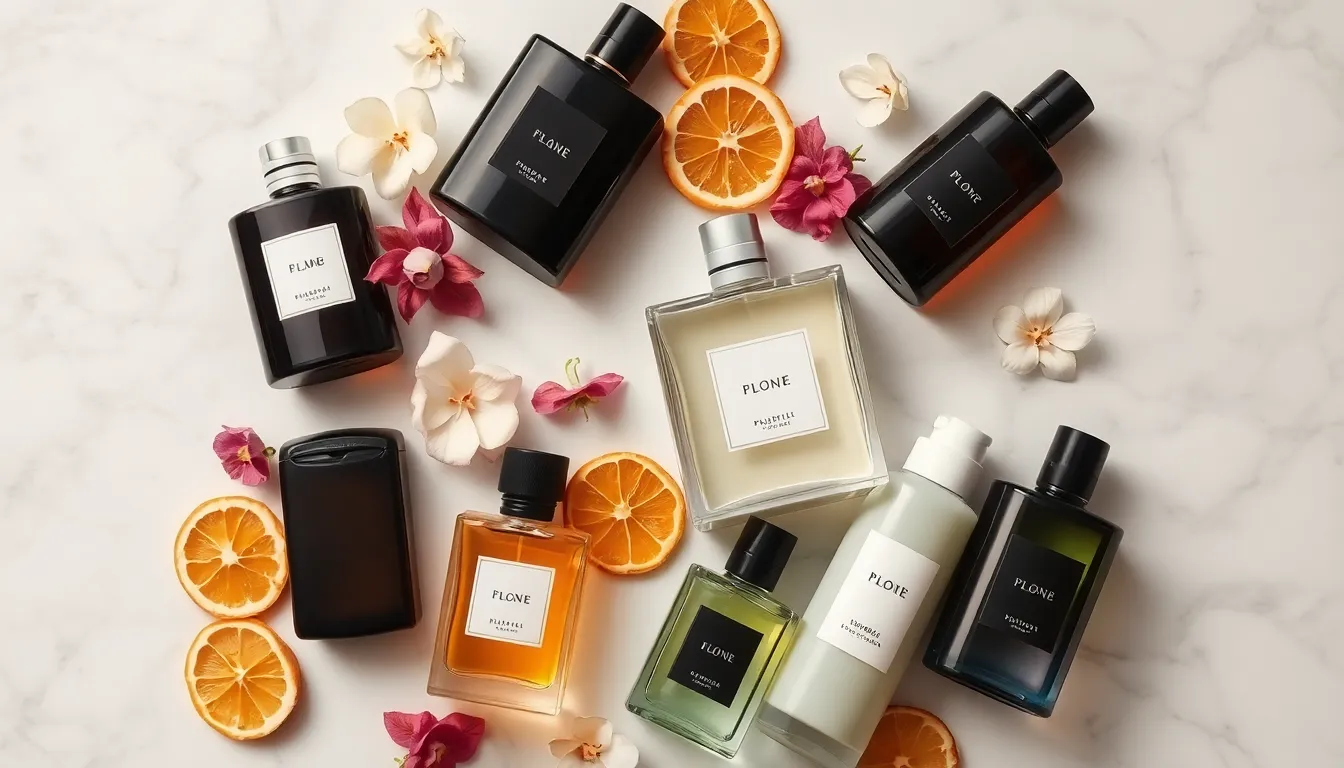
As a CEO, your signature scent is as crucial as your tailored suit or polished presentation. It’s the invisible accessory that leaves a lasting impression in boardrooms and beyond. Fragrance layering isn’t just a trend; it’s a strategic art form that empowers you to craft a unique olfactory identity. Imagine a scent that evolves with your day, reflecting your confidence and creativity. Whether you’re aiming to enhance your personal brand or simply elevate your daily routine, mastering fragrance layering unlocks a world of sophistication and individuality. Let’s dive into how you can transform your aura with this timeless practice.
1 The History and Cultural Roots of Fragrance Layering
Table of Contents
Fragrance layering is far from a modern gimmick; its roots stretch back centuries. Originating in the Middle East, this practice was deeply embedded in cultural rituals. People would layer up to five or six scents—from oil-based attars to rich oud—to create a signature aroma that expressed their identity and status . In these traditions, layering was a daily ritual, almost like a meditative practice, where each layer added depth and personal meaning. The Middle Eastern approach often included burning bakhour (oud wood and resins) before applying perfumes, resulting in a complex, multi-sensory experience . This historical context reminds us that layering is about more than just scent; it’s about storytelling and heritage. Fast-forward to ancient Egypt, where fragrances were layered for both spiritual and opulent purposes, a tradition later adopted by Greeks and Romans . Today, this art form has global appeal, blending ancient wisdom with contemporary creativity.
2 Understanding the Science of Scent Notes
To master fragrance layering, you need to understand the science behind scent composition. Perfumes are built like musical symphonies, with top, middle (heart), and base notes each playing a role . Top notes are the initial, fleeting impressions—think citrus bursts like bergamot or lemon that evaporate within 15–30 minutes. Heart notes emerge next, forming the core of the fragrance with floral or spicy elements like jasmine or cinnamon. Base notes are the foundation, lingering for hours with deep, warm tones like vanilla, sandalwood, or musk . Your skin chemistry uniquely interacts with these notes, altering how they evolve throughout the day . This is why testing on skin—not paper—is crucial. For instance, a vanilla-based scent might smell sweet on one person but smoky on another. Understanding these layers allows you to pair complementary notes, such as adding a citrus top note to a woody base for balance, ensuring your layered creation remains harmonious from morning to night.
3 How to Choose Complementary Scents for Layering
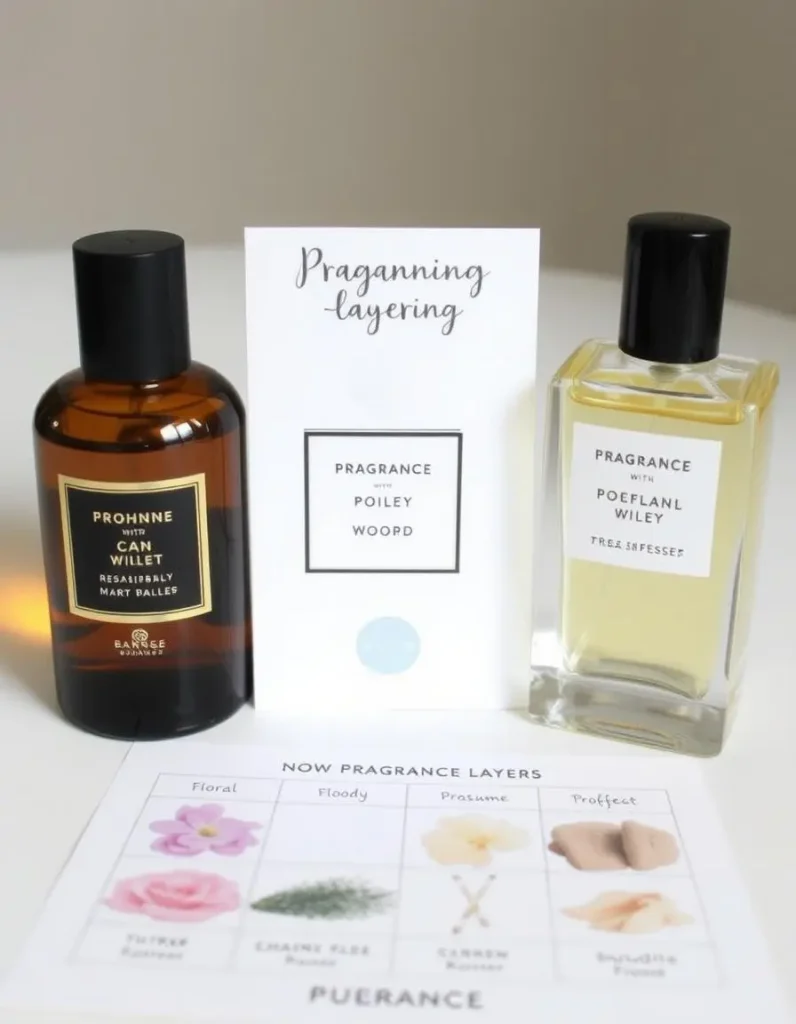
Selecting scents that complement each other is key to successful layering. Start by identifying fragrance families—floral, citrus, woody, gourmand, or oriental—and pair within or across these groups for harmony or contrast . For example, a floral scent like rose pairs beautifully with woody notes like sandalwood, while citrus notes like grapefruit can brighten a vanilla-based gourmand. A practical tool is a fragrance layering chart, which visually maps out compatible families and notes. If you’re new to layering, begin with scents that share a common note. Dedcool milk, a popular base product, offers a neutral, creamy foundation that blends seamlessly with almost any fragrance . For those shopping for men’s fragrances, woody and aquatic scents often layer well together—try combining a smoky leather scent with a fresh citrus cologne. Brands like aura fragrance and venba fragrance offer curated sets designed for layering experimentation. Remember, the goal is to create a balanced blend where no single note overpowers the others. As experts suggest, “Start with the heaviest scent first, such as woody or musky notes, then add lighter ones on top” .
4 Step-by-Step Guide to Layering Perfume Like a Pro
Layering perfume is a methodical process that rewards patience and creativity. Follow these steps to achieve a professional result:
Start with clean, moisturized skin: Hydrated skin holds fragrance longer. Use an unscented lotion or a scented body product that matches your perfume .
Apply the base note first: Heavier scents like oud, vanilla, or musk should be applied to pulse points (wrists, neck, behind knees). For example, use dedcool milk as a neutral base to enhance longevity .
Layer the heart and top notes: Spritz lighter florals or citruses on different areas, like inside elbows or collarbone, to avoid overpowering the base .
Allow each layer to settle: Wait a few minutes between applications to let the notes meld with your skin chemistry .
Finish with a fragrance primer or setting spray: Products from fragrance net can lock in your scent for all-day wear.
Avoid rubbing your wrists together, as this crushes the top notes and alters the fragrance . Instead, gently pat or let the scent dry naturally. For beginners, try layering two scents from the same line, like a floral body lotion with its matching perfume, before experimenting with contrasting pairs.
5 Advanced Techniques for Creative Layering
Once you’ve mastered the basics, explore advanced techniques to create truly unique blends. Consider seasonal layering: in summer, pair fresh citrus with aquatic notes for a breezy vibe; in winter, blend gourmand vanilla with spicy cinnamon for warmth . For special occasions, layer a complex oriental fragrance with a simple single-note scent to highlight its depth—like adding a touch of rose to a smoky oud. Another creative idea is to use aura fragrance products to build a “scent sandwich,” starting with a scented body wash, adding a lotion, and topping it with perfume . Brands like trump fragrance offer bold, statement scents that can be tempered with a neutral base. If you love niche products, venba fragrance has exotic notes that pair well with mainstream perfumes. Remember, layering isn’t limited to skin; spritz your scarf or hair for a lingering sillage. The key is to experiment fearlessly—combine contrasting families, like a floral with a leather note, for an unexpected twist that turns heads .
6 Fragrance Layering for Men: Tips and Combinations
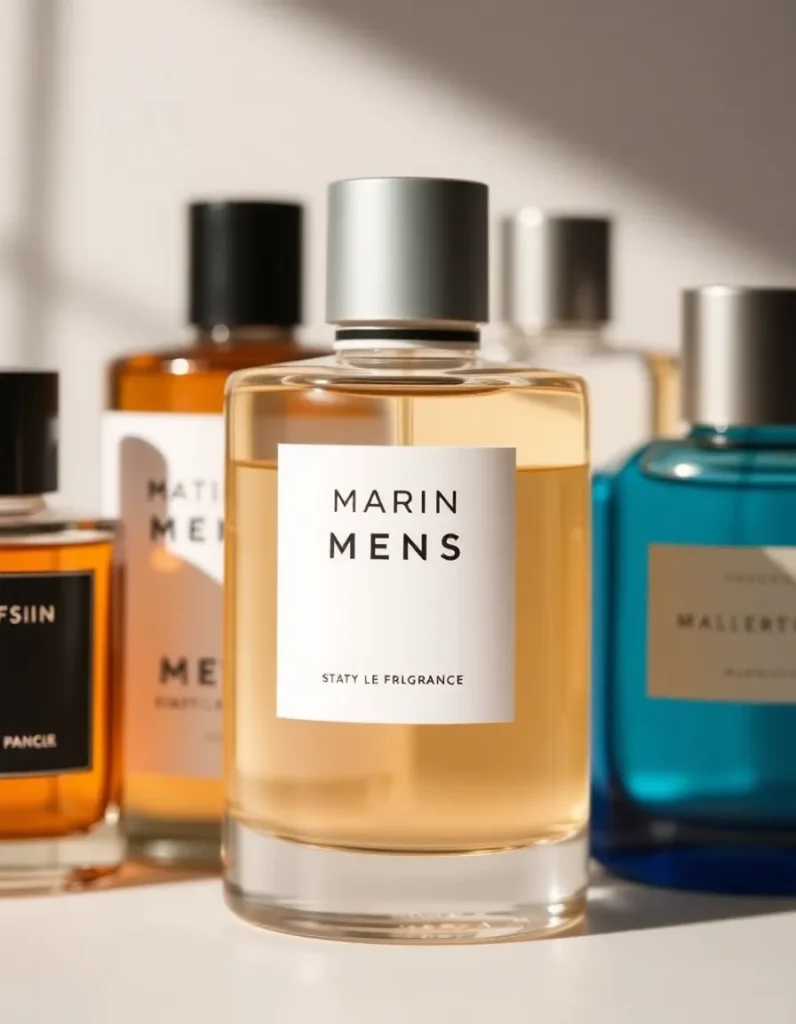
Men’s fragrance layering is gaining momentum, moving beyond a single spritz to curated combinations. Start with base notes like woody or musky scents—think sandalwood or amber—which provide a durable foundation. When you shop men’s fragrance collections, look for versatile options that can be layered, such as a fresh citrus cologne with a deep woody perfume. For example, layer a bergamot-top scent with a vanilla base for a balanced, masculine aroma. Brands like fragrance nevaeh offer gender-neutral options that work well in layering, such as earthy vetiver with fresh aquatic notes. A pro tip: use a scented aftershave or beard oil as the first layer, then add a complementary eau de parfum. This not only enhances longevity but also creates a subtle complexity. For daily wear, try a combination of fresh and spicy notes, like lemon and cardamom, for an energizing effect. Remember, men’s layering is about expressing individuality—don’t be afraid to mix a classic masculine scent with a floral hint for a modern twist .
7 Common Mistakes to Avoid in Fragrance Layering
Even experienced layerers can make mistakes. Here are pitfalls to avoid:
Over-layering: Using too many scents creates a chaotic blend. Stick to 2–3 fragrances max .
Ignoring skin chemistry: Always test combinations on your skin, not paper, to see how they evolve .
Rubbing wrists: This crushes the top notes and accelerates evaporation. Instead, gently pat or let dry .
Clashing notes: Avoid pairing two strong, complex scents—like a heavy oriental with a potent floral—as they compete rather than complement.
Skipping hydration: Dry skin doesn’t hold scent well. Always moisturize first .
Additionally, be mindful of allergen overload when layering multiple products, especially if you have sensitive skin . Brands like fragrance net offer hypoallergenic options. If you’re using niche products like trump fragrance, start with a small amount to avoid overpowering. Lastly, don’t forget to consider your environment—a heavy, layered scent might be overwhelming in close-quarter offices.
8 How to Make Your Layered Fragrance Last All Day
Longevity is a common goal in fragrance layering. To make your scent last:
Moisturize well: Apply an unscented lotion or oil to hydrated skin before perfuming. This provides a “primer” for the fragrance .
Focus on pulse points: These warmer areas (wrists, neck, behind knees) help diffuse and retain scent .
Use complementary products: Layer with scented body washes or lotions from the same line, like aura fragrance products, to build a consistent base .
Reapply top notes: Since top notes fade fastest, carry a travel spray of your citrus or floral top note for midday refreshes .
Try fragrance setting sprays: Products from fragrance net can seal in your layered creation.
Also, consider the concentration—perfume oils last longer than alcohol-based sprays. For example, dedcool milk is a long-lasting base that can anchor lighter notes. Storage matters too: keep perfumes in a cool, dark place to preserve their integrity.
9 Incorporating Niche Products like Dedcool Milk and Aura Fragrance

Niche products can elevate your layering game. Dedcool milk is a cult-favorite neutral fragrance that acts as a versatile base, blending seamlessly with any scent to enhance longevity and add a creamy, skin-like warmth . Similarly, aura fragrance offers layered products designed to work together, such as scented body lotions and perfumes with overlapping notes. When incorporating these, start with dedcool milk as your foundation, then add a bold perfume from venba fragrance for complexity. For those exploring luxury layering, trump fragrance provides intense, unique notes that can be tempered with a neutral base. Niche products often use high-quality ingredients, resulting in richer scent evolution. Don’t hesitate to mix niche with mainstream—a niche single-note oil can personalize a designer perfume.
10 Seasonal and Occasional Layering Ideas
Tailor your layering to seasons and occasions for maximum impact:
Spring: Fresh florals and greens, like pear and lotus flower, evoke renewal .
Summer: Bright citruses paired with aquatic notes, such as grapefruit and sea salt, feel energizing .
Fall: Warm spices and woods, like cinnamon and sandalwood, create coziness.
Winter: Gourmand vanillas and ambers offer comfort and depth .
For special events, layer a signature scent with an exotic note—like adding oud to a vanilla base for evening glamour. Office settings call for subtlety: try a light citrus with a musk base. Holidays might inspire festive combinations, such as cranberry and pine. Remember, your mood dictates your scent; a stressful day might call for calming lavender and vanilla, while a night out begs for seductive rose and leather.
Conclusion: Crafting Your Unique Scent Story
Fragrance layering is an art that empowers you to express your identity creatively. By understanding scent notes, choosing complementary pairs, and avoiding common mistakes, you can build a signature aroma that evolves with you. Whether you’re using niche products like dedcool milk or exploring men’s fragrances, the possibilities are endless. So, embrace experimentation—your perfect blend is waiting to be discovered.
This article is designed for educational purposes and reflects expert insights from cited sources. Always patch-test new scent combinations to ensure compatibility with your skin.