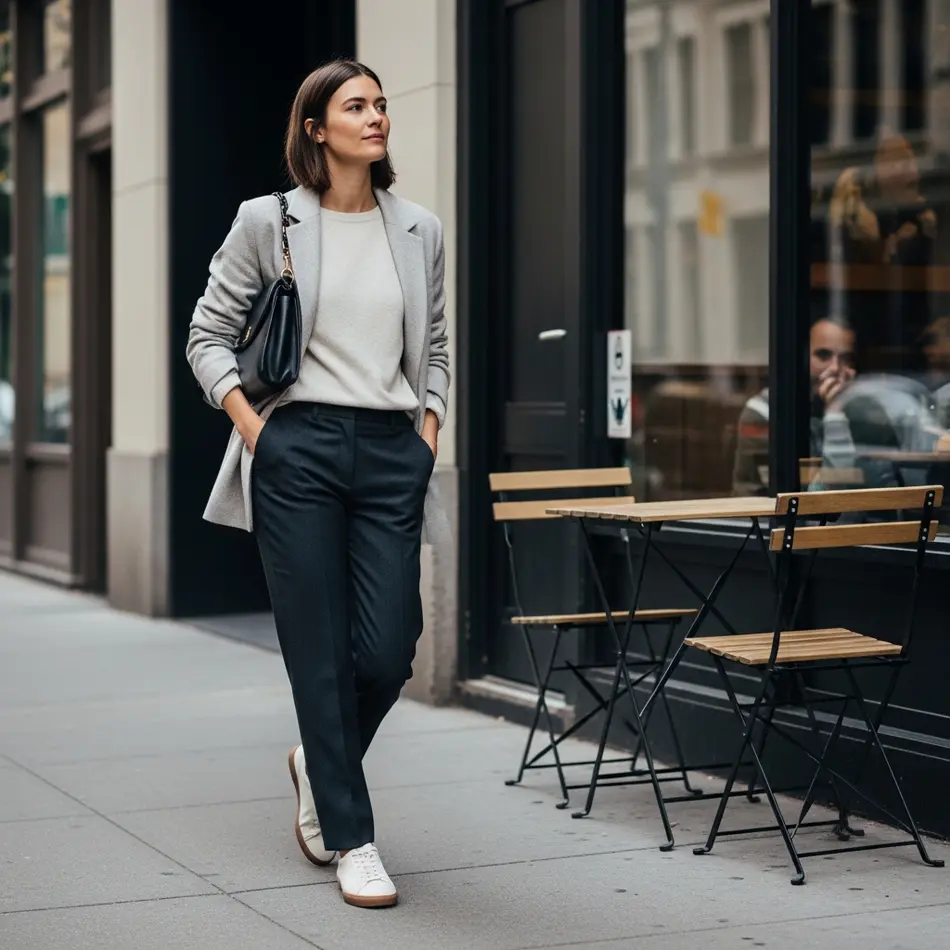
There’s a moment most women recognize instantly. You’re standing in front of your closet, already running late, coffee half-finished, weather app open on your phone. You don’t ask yourself what’s trending. You ask something far more practical: What actually works today?
That question, more than any runway report or viral reel, explains a lot about how American women dress — and why wearable fashion quietly holds more power here than trends ever could.
In the USA, style isn’t built for spectacle first. It’s built for movement, weather swings, long days, and real life. Fashion has to keep up, not the other way around.
The American Closet Is Designed for Real Days
Table of Contents
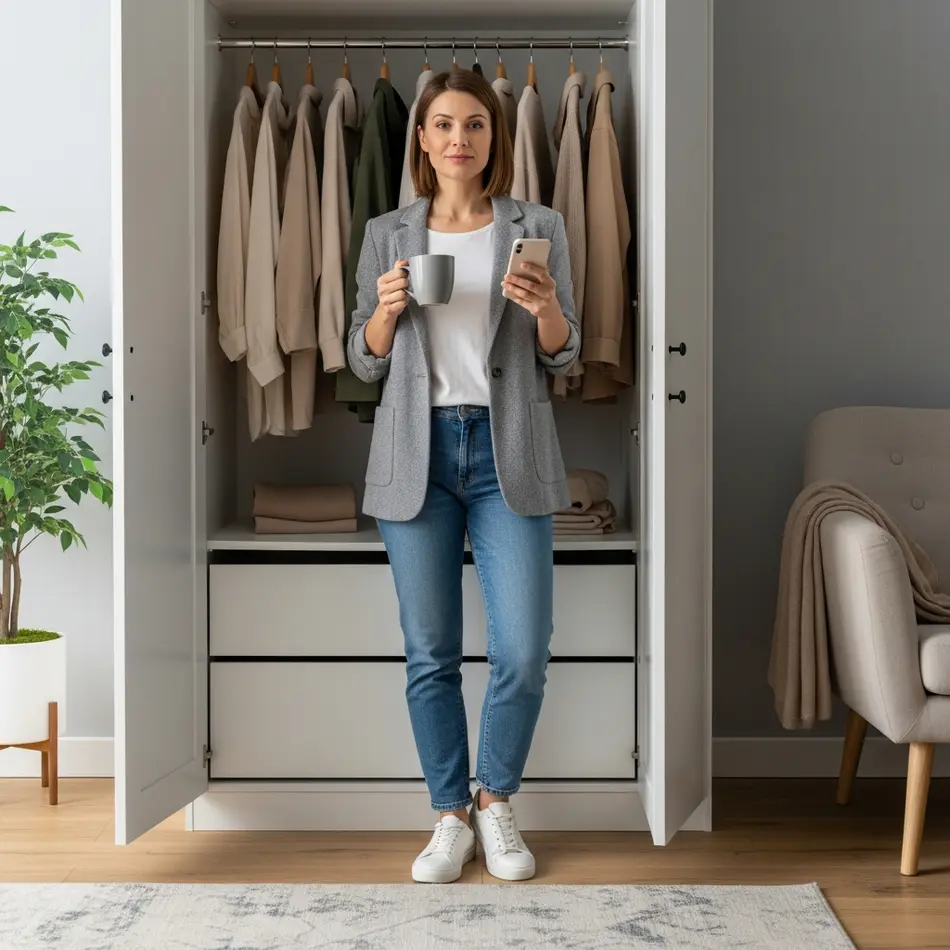
American life tends to stretch across multiple roles in a single day. Morning school drop-offs, remote meetings, errands, gym sessions, social plans that may or may not happen. Clothing has to flex with that rhythm.
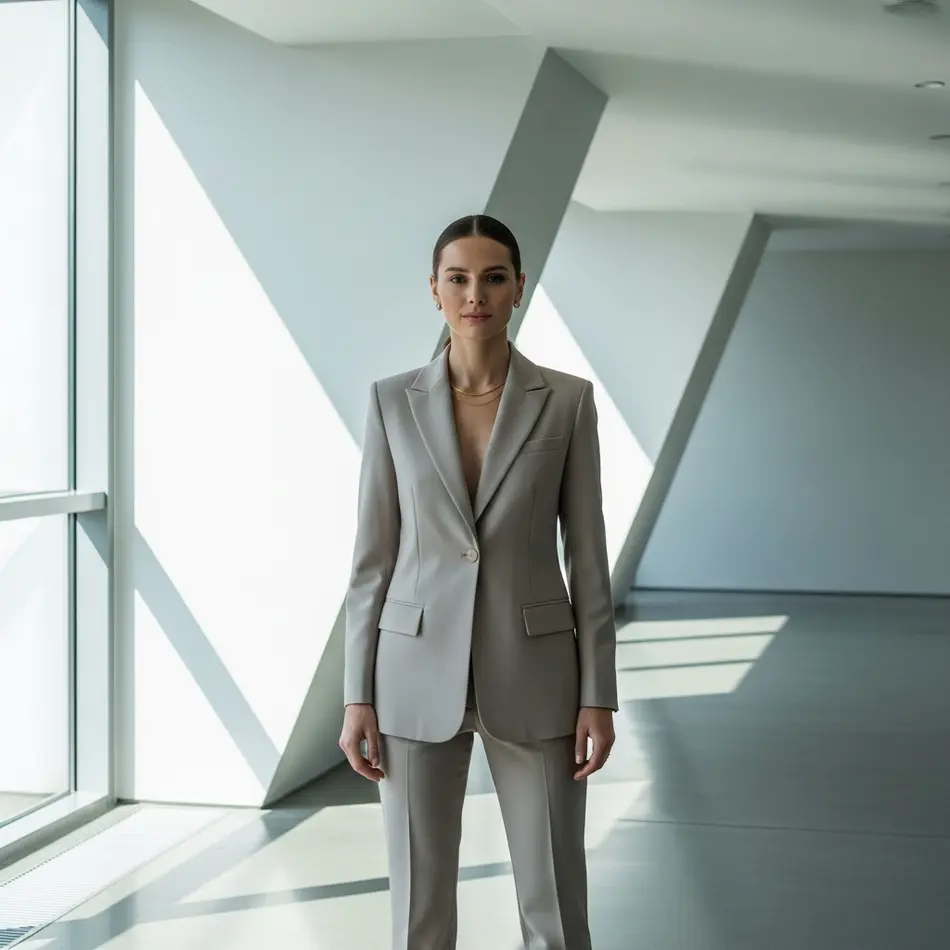
This is why a well-cut blazer that works with jeans keeps winning over anything too precious. Why sneakers have crossed lines they were never meant to cross a decade ago. Why women care deeply about fabrics, stretch, washability, and whether something wrinkles if you sit down for more than ten minutes.
Wearable fashion isn’t boring here. It’s thoughtful.
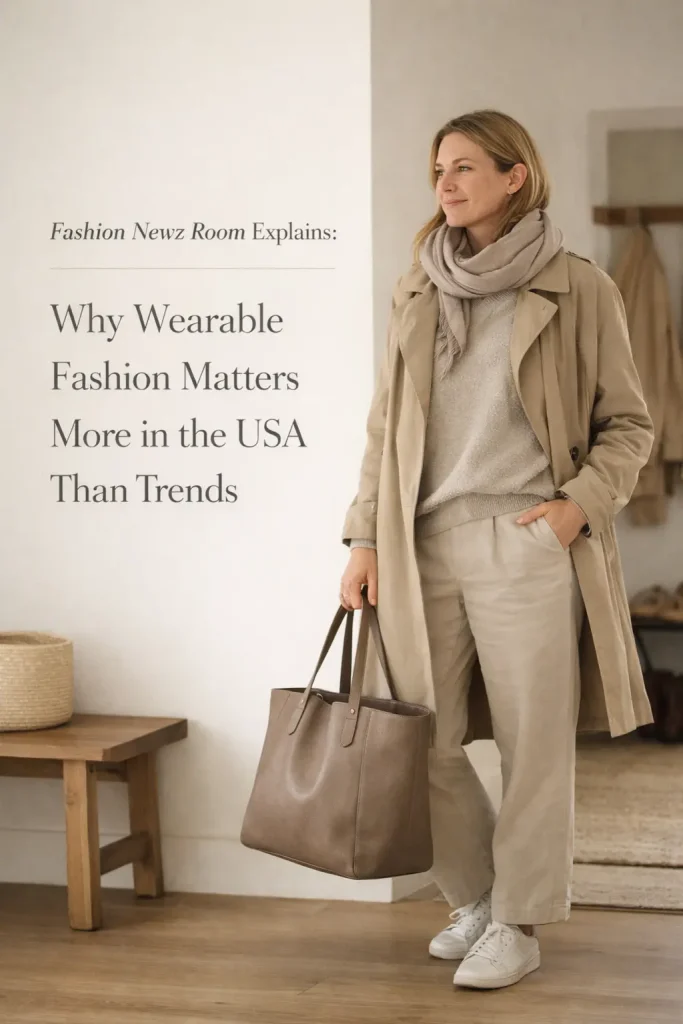
It’s the soft knit dress that doesn’t cling after lunch. The coat that looks polished but still fits over a sweater. The pants that survive a long commute and still feel appropriate at dinner. These aren’t compromises. They’re priorities.
Trends Feel Louder When Life Is Already Full
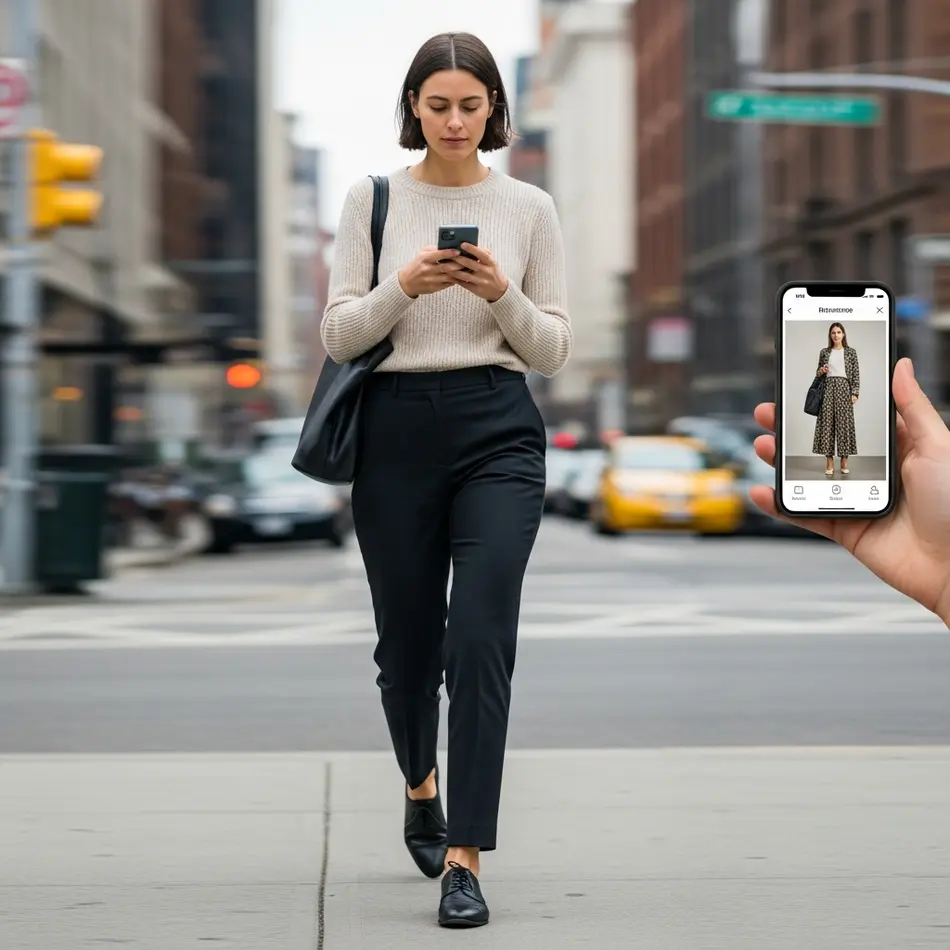
Trends move fast in the U.S. — faster than most people can reasonably keep up with. Social media amplifies that speed, turning micro-trends into full conversations overnight. But there’s a growing fatigue around it.
American women often don’t reject trends outright. They edit them. They take what fits their lives and leave the rest behind.
That’s partly cultural. The U.S. has always leaned toward individualism in style. Uniform dressing rarely sticks for long. A trend might spark interest, but it doesn’t dictate identity.
At FashionNewzRoom.com, this conversation comes up often when editors talk about what actually resonates with readers. The pieces that get bookmarked, saved, revisited — they’re rarely the most extreme looks. They’re the ones that feel doable without feeling dull.
Weather, Geography, and the Reality Factor
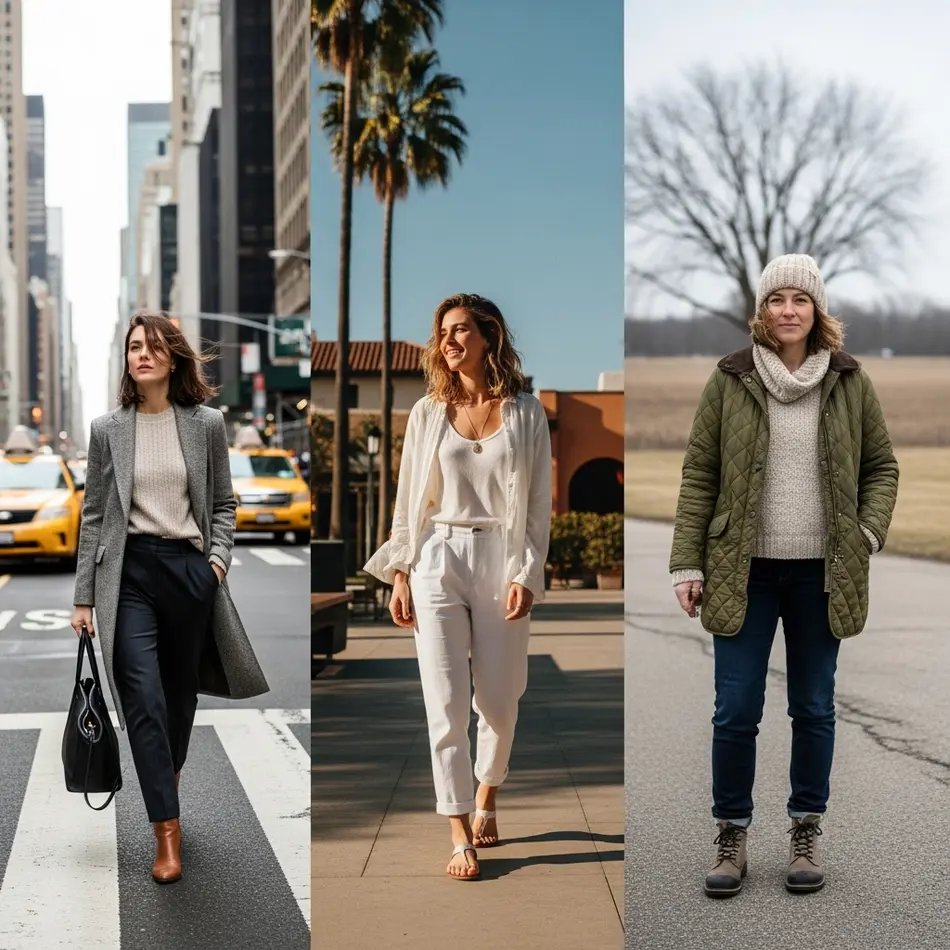
Another thing outsiders sometimes underestimate: how much geography shapes American fashion choices.
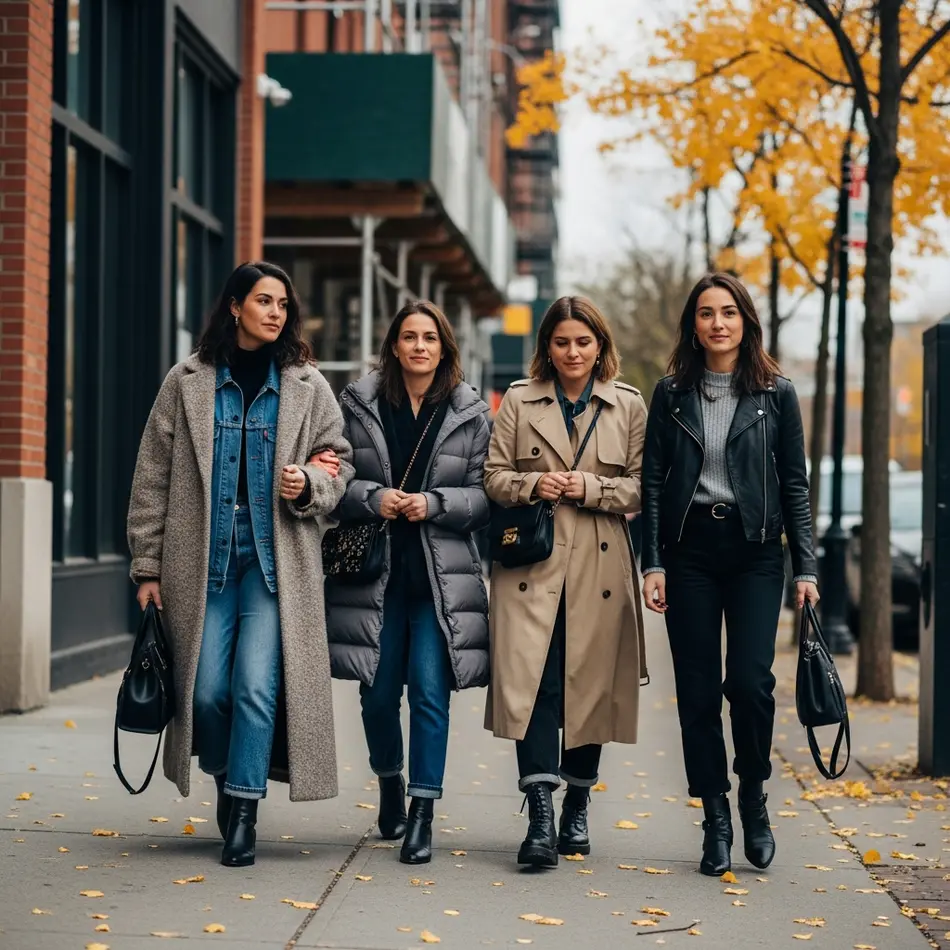
A woman in New York needs clothes that survive walking, unpredictable weather, and long hours. Someone in California prioritizes layering that works across microclimates. In the Midwest, practicality isn’t optional — it’s survival.
Trends often assume a controlled environment. Wearable fashion acknowledges that most women don’t live inside climate-controlled photo shoots.
That’s why breathable fabrics matter. Why boots that can handle real pavement matter. Why outerwear often gets more consideration than anything else. These aren’t afterthoughts. They’re the foundation.
Comfort Isn’t a Phase — It’s a Baseline
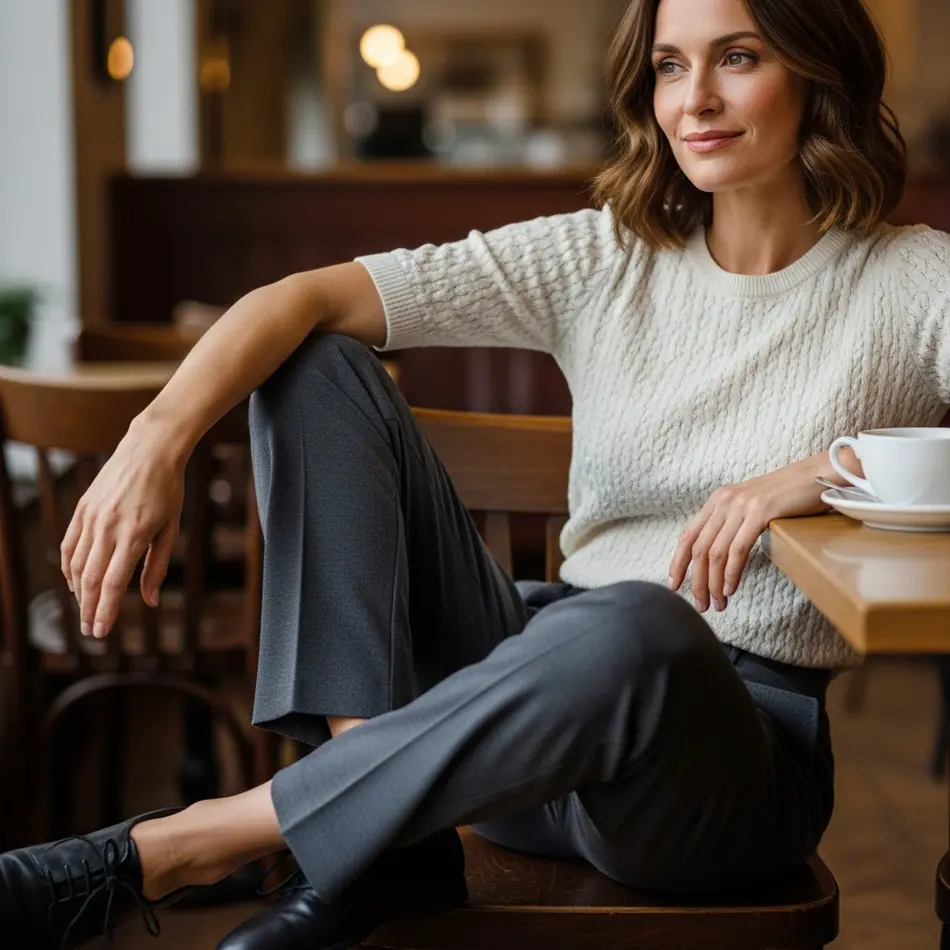
Comfort used to be treated like a guilty secret in fashion conversations. Now it’s openly non-negotiable, especially in the U.S.
This isn’t about dressing casually all the time. It’s about not sacrificing physical ease to look put-together. American women expect both.
Stretch fabrics, soft tailoring, elastic waistbands done discreetly — these details are quietly reshaping what “polished” means. A dress doesn’t have to be stiff to be elegant. Shoes don’t have to hurt to look intentional.
Wearable fashion respects the body. Not in a performative way, but in a lived-in, day-after-day sense.
The Rise of Personal Uniforms
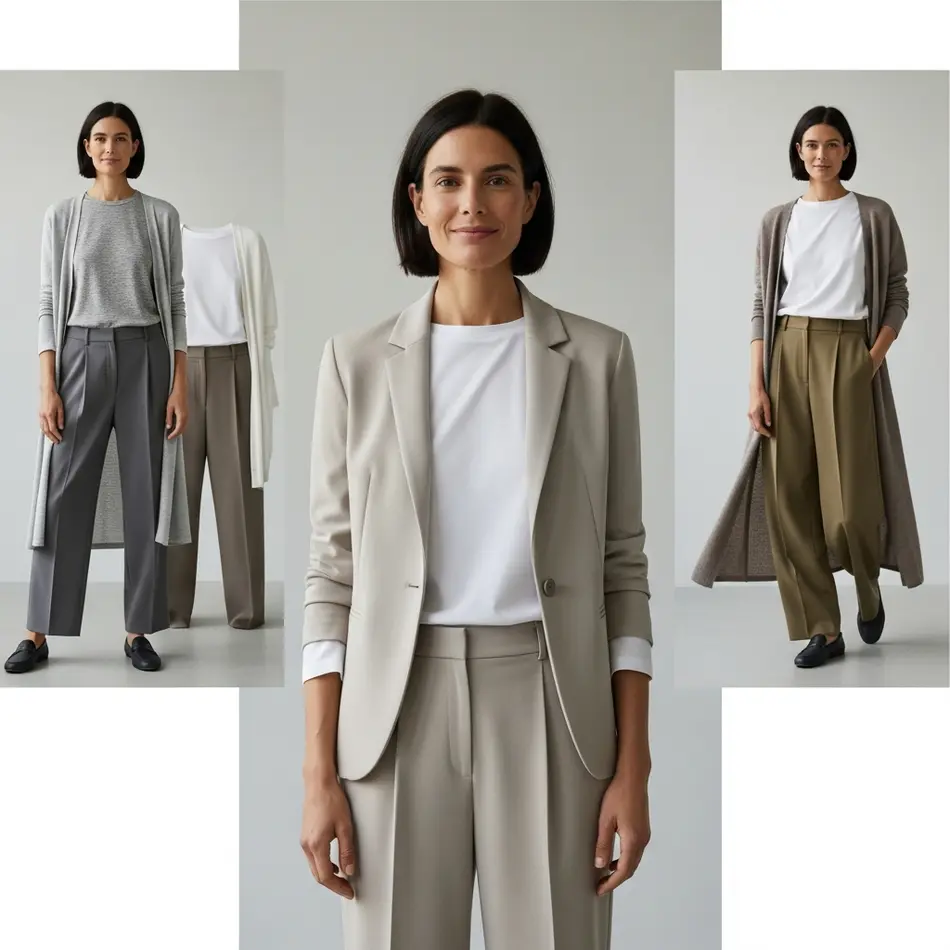
One of the most interesting shifts in American style is the rise of personal uniforms. Not identical outfits, but repeatable formulas.
You see it everywhere once you start noticing. The woman who always wears relaxed trousers with structured tops. The friend whose closet is basically variations of the same dress. The editor who lives in black boots year-round, adjusting everything else around them.
This isn’t laziness. It’s clarity.
Wearable fashion supports this instinct. It allows women to refine rather than reinvent. To build a wardrobe that works with their lives instead of demanding constant attention.
FashionNewzRoom.com often highlights this idea indirectly, through real styling stories and everyday observations rather than declarations. It’s less about telling women what to wear, more about noticing how they already dress when no one’s watching.
Trends Still Matter — Just Not Alone
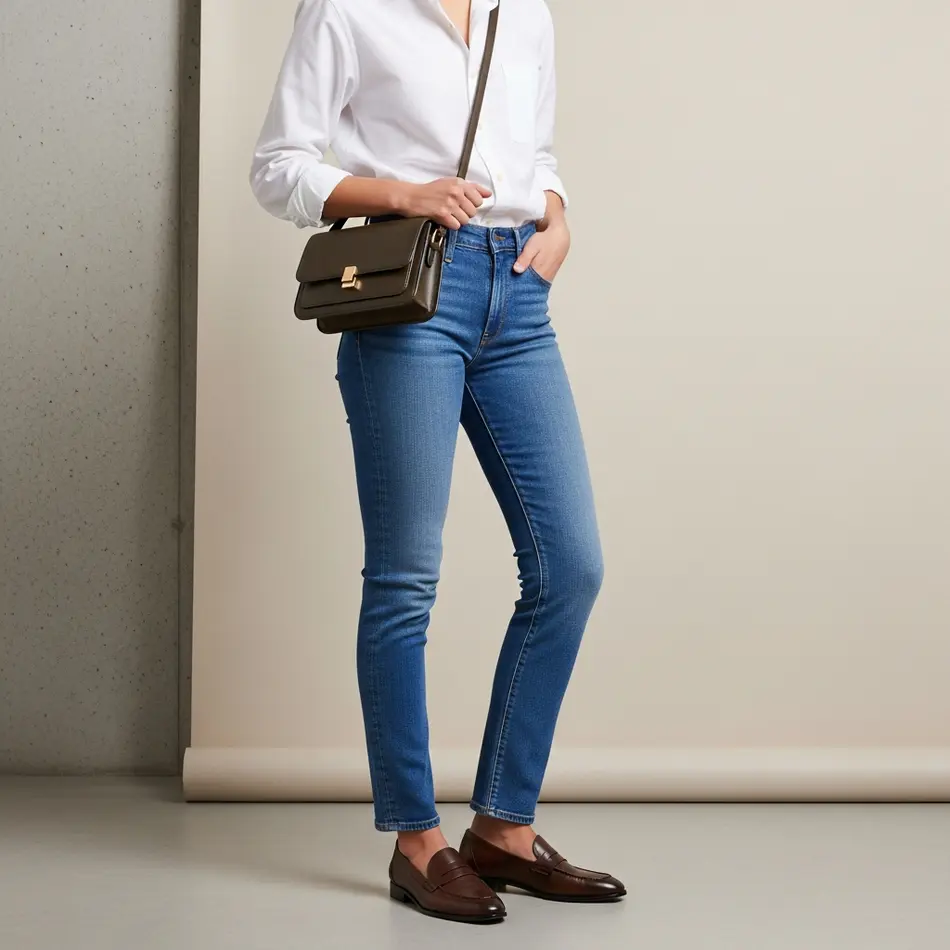
None of this means trends are irrelevant in the U.S. They just don’t lead the conversation the way they might elsewhere.
Trends act more like seasoning than the main dish. A color shift. A silhouette tweak. A fabric moment that filters into existing wardrobes.
The difference is subtle but important. American women tend to ask, Can I live in this? before they ask, Is this current?
If the answer is no, the trend stays on the screen.
Why This Matters to Real Women Right Now
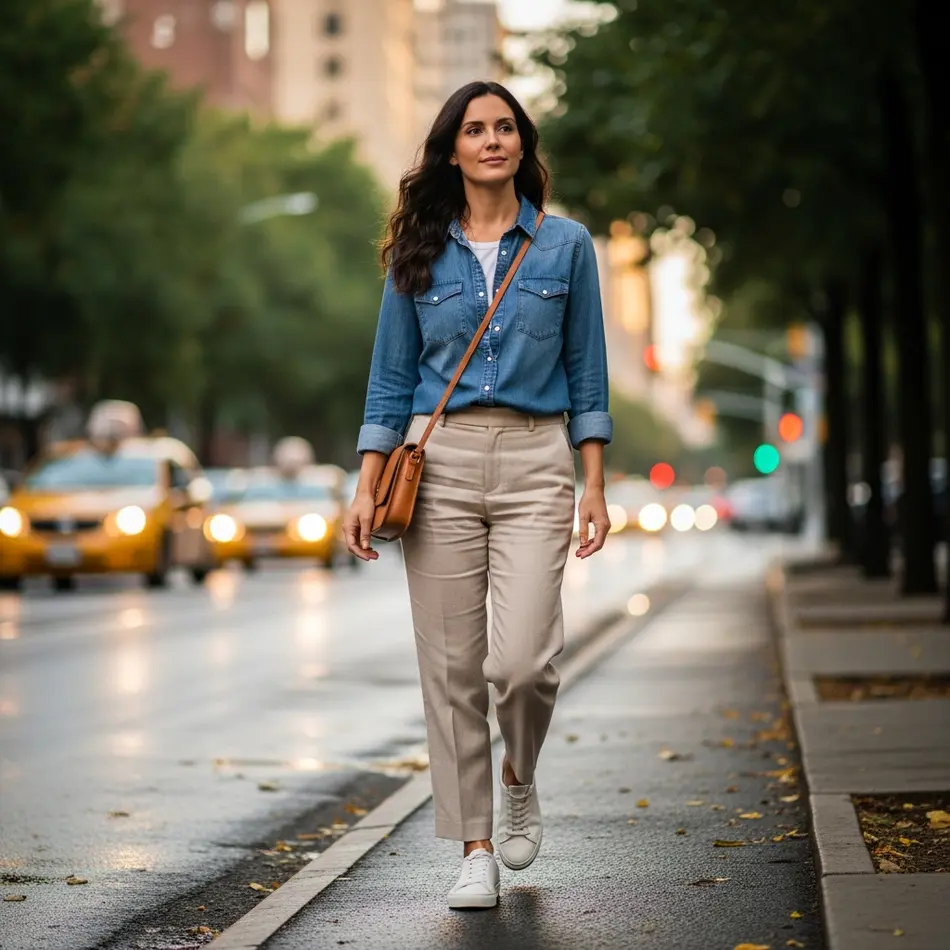
There’s something deeper happening beneath all of this. Wearable fashion isn’t just about clothes — it’s about energy.
Women today are balancing more visibility, more responsibility, and more pressure than ever. The idea that style should add friction to that feels outdated.
What women want instead is clothing that supports confidence quietly. Pieces that don’t require constant adjustment. Outfits that don’t make them self-conscious in the middle of an already demanding day.
That’s why wearable fashion resonates emotionally. It respects time. It respects bodies. It respects the fact that looking good shouldn’t come at the cost of feeling grounded.
When women feel comfortable in what they’re wearing, they show up differently. Less distracted. Less performative. More present.
That matters.
The Shift Away from “Statement Dressing”
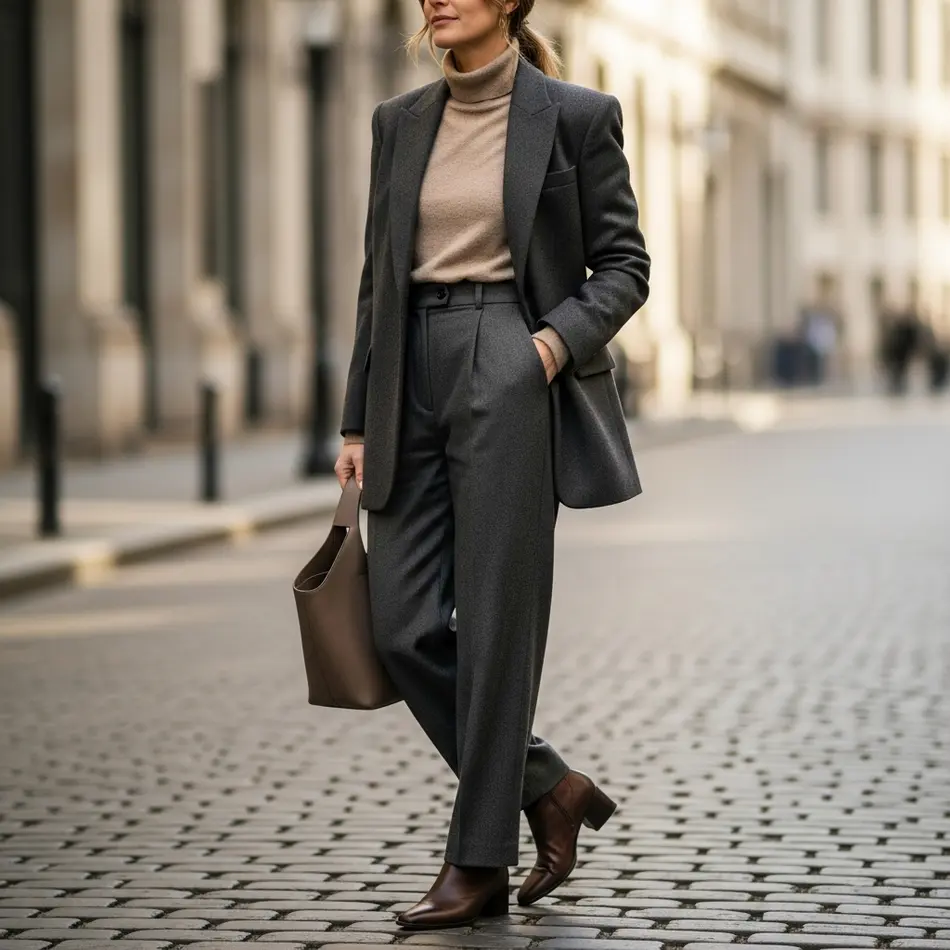
Statement dressing still exists, but it’s no longer the default aspiration. In the U.S., there’s been a visible move toward understatement.
Not minimalism as an aesthetic trend, but restraint as a mindset.
Logos have softened. Loud silhouettes have quieted. Attention has shifted to fit, fabric, and how something moves when you walk, sit, reach, live.
This isn’t about blending in. It’s about dressing for yourself first.
What Editors Are Noticing on the Ground
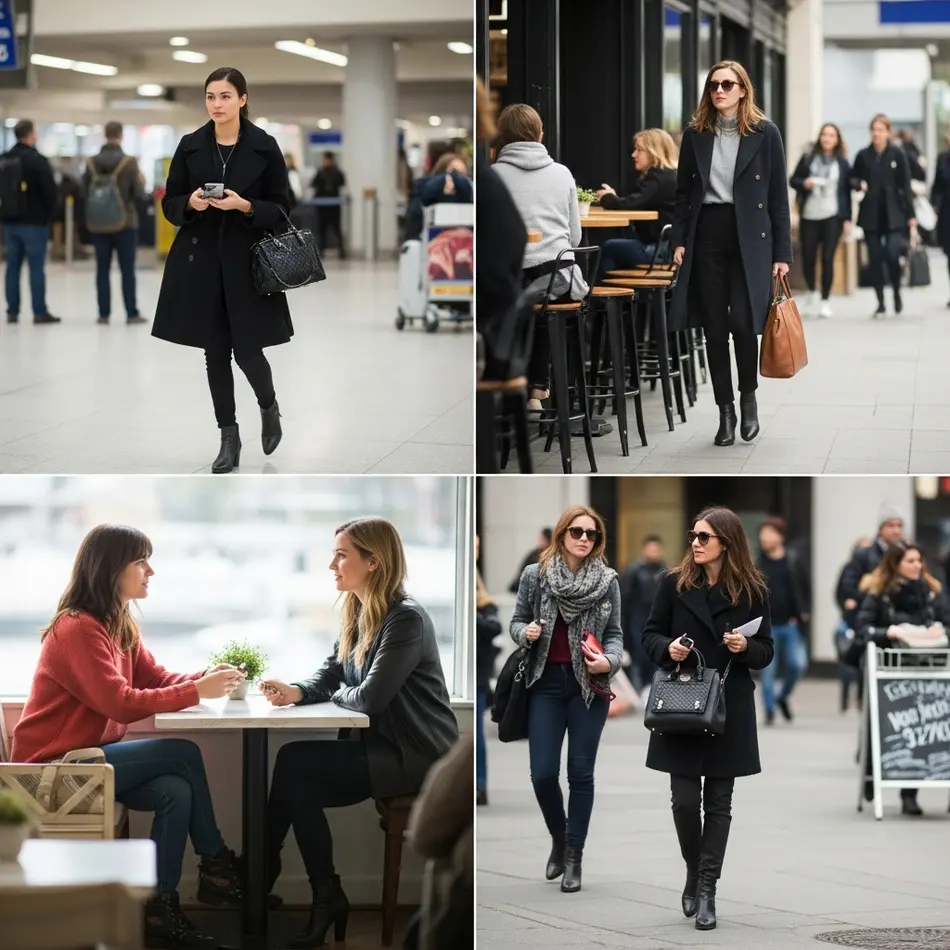
Fashion editors spend a lot of time observing people who aren’t trying to be observed. Airports. Coffee shops. Grocery stores. Sidewalks.
What stands out now isn’t extravagance. It’s ease.
You notice the woman whose outfit feels cohesive without being obvious. The one who looks ready for whatever the day throws at her. The one who doesn’t look like she dressed for the internet.
Those are the moments that shape real fashion narratives — the kind Fashion Newz Room tends to gravitate toward in its editorial voice.
Wearable Fashion Isn’t a Trend — It’s a Reflection
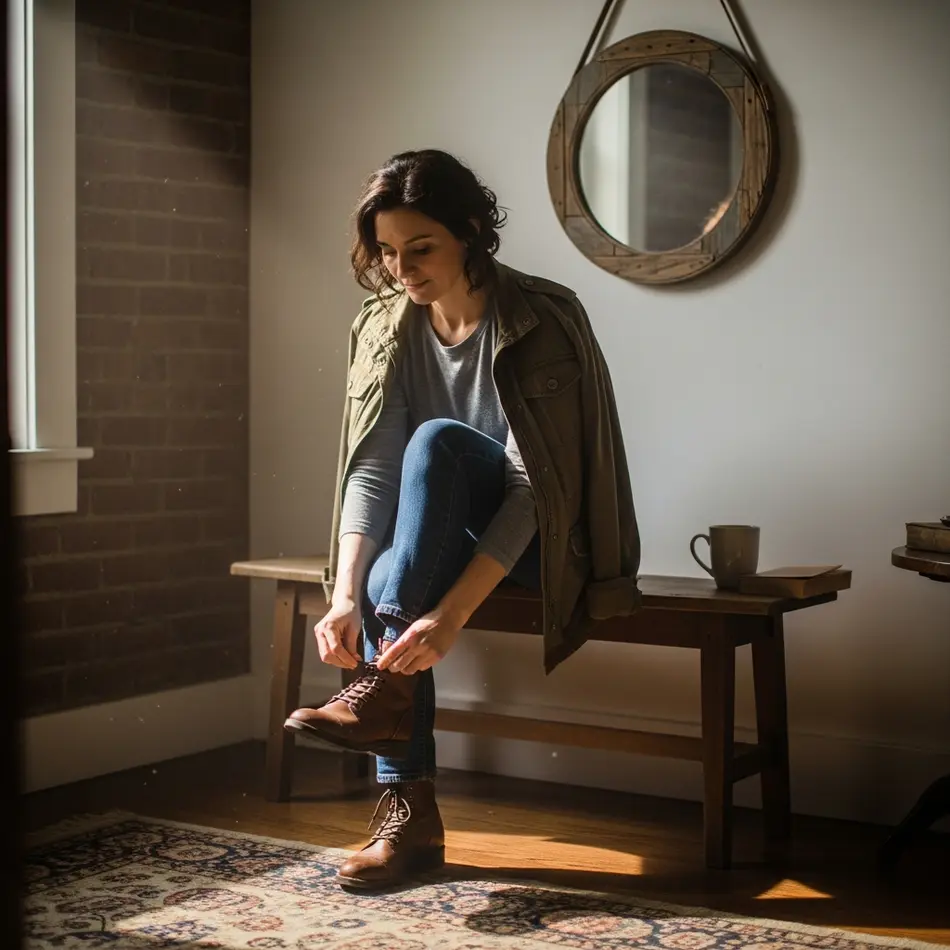
Ultimately, wearable fashion’s importance in the USA says something honest about how women here live.
Life moves fast. Schedules blur. Roles overlap. Clothing that demands too much simply doesn’t last.
What lasts is what adapts.
Pieces that become familiar. Outfits that feel like second nature. Style that doesn’t announce itself, but quietly supports the woman wearing it.
That kind of fashion doesn’t need defending. It proves itself every morning, in closets across the country, when women reach instinctively for what they know will carry them through the day — without fuss, without noise, without apology.
And maybe that’s the most American approach to style there is.
Found this helpful? Save it to your Pinterest board!