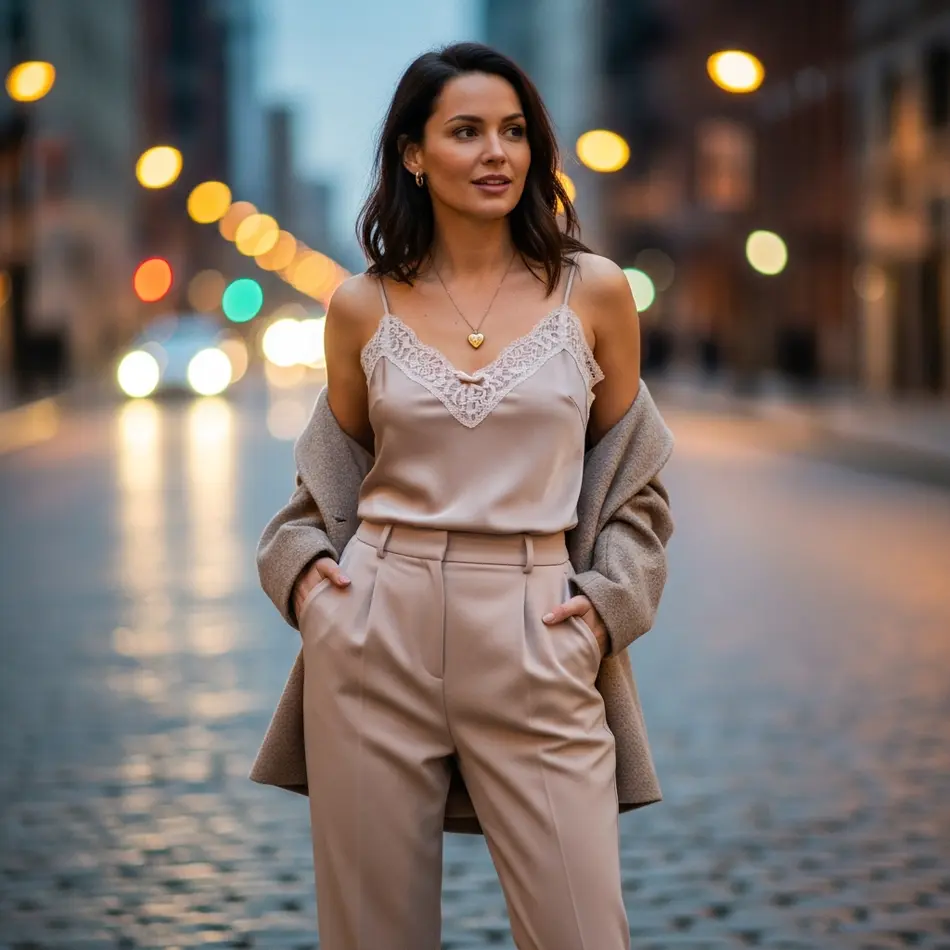
Valentine’s Day has always carried a certain visual pressure. Red appears overnight in shop windows. Satin hearts creep onto straps and hems. Even women who normally dress with quiet intention can feel that familiar tug: Should I be leaning into the theme, just this once?
By 2026, that question feels more complicated than it used to. Not because romance has disappeared, but because the way we dress for it has changed. Subtly. Almost without announcement.
What’s striking now isn’t how dressed up people get for Valentine’s Day, but how carefully they avoid looking dressed for Valentine’s Day. The costume element — the obvious signals, the performative romance — has started to feel oddly out of step with how women actually live, love, and move through their days.
This isn’t about rejecting romance. It’s about refusing to play dress-up for it.
When Valentine’s Day Style Became a Performance
Table of Contents
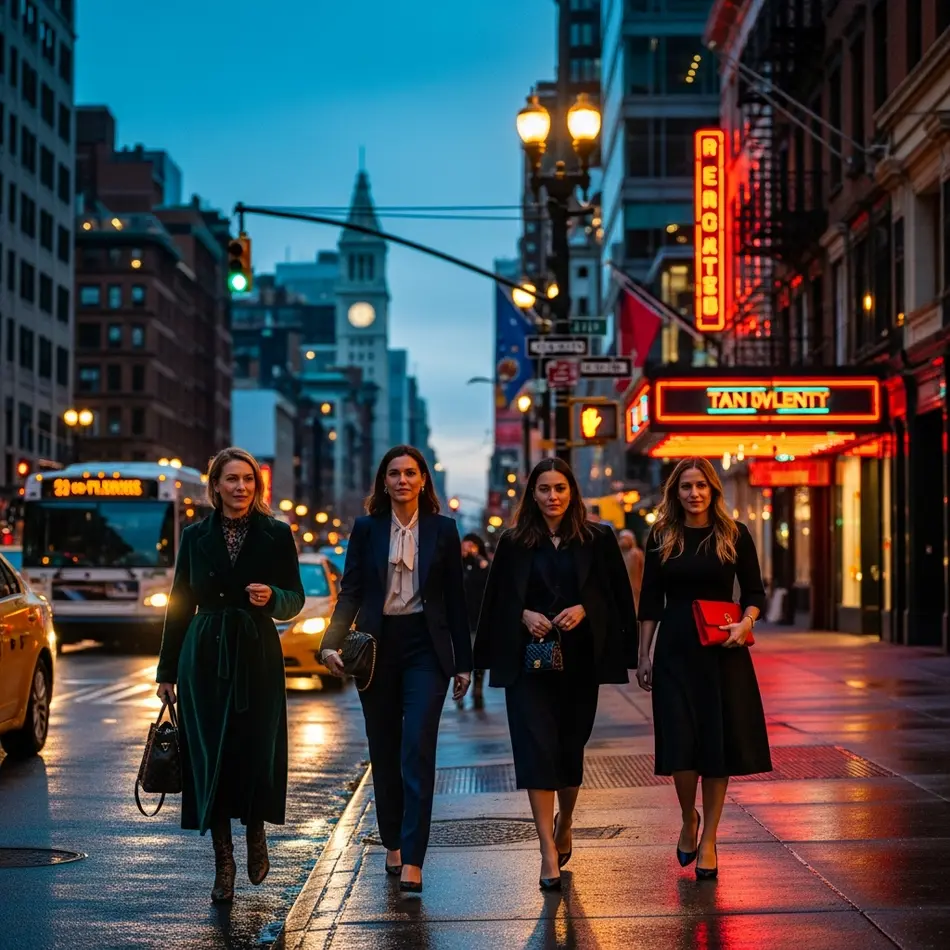
There was a time when dressing for Valentine’s Day felt almost scripted. A red dress if you were going out. Pink if you wanted to look playful. Lace if the night might go somewhere else. The outfit wasn’t just clothing; it was a signal.
But over the past few years, those signals have lost their clarity. Social feeds flooded with hyper-curated “date night looks” haven’t inspired imitation so much as fatigue. The more exaggerated the visuals became, the less relatable they felt.
By 2026, many women seem to be quietly opting out of that performance. Not loudly. Not defiantly. Just by choosing clothes that feel like themselves, even on a day that once demanded a theme.
At Fashion Newz Room, this shift has been showing up more clearly with every season — not as a trend, but as a collective easing of pressure.
The Problem With Dressing For the Occasion
There’s something slightly uncomfortable about clothing that announces its purpose too clearly. A dress that only makes sense on February 14. Shoes that feel right for a candlelit dinner but wrong everywhere else. Fabrics chosen more for symbolism than for comfort.
For many women, the discomfort isn’t physical — it’s emotional. Wearing something that doesn’t align with your daily style can feel like stepping into a role you didn’t audition for.
In real life, Valentine’s Day doesn’t always unfold as planned. Dinner runs late. The restaurant is louder than expected. You end up walking more than you thought. Or maybe the night is quieter, more domestic, more ordinary — and suddenly the outfit feels overdone.
The clothes didn’t fail. The expectation did.
Real Women, Real Valentine’s Days
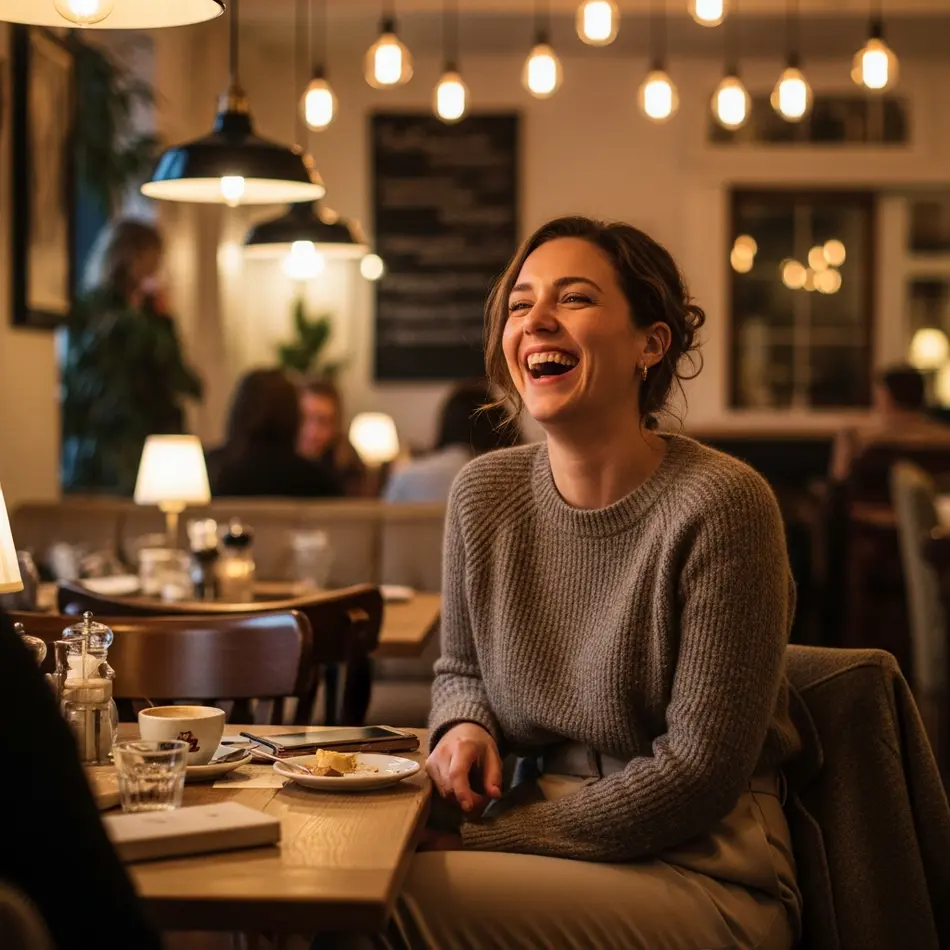
Talk to women in their thirties and forties, and you hear the same stories repeated with slight variations. A dinner squeezed between work emails. A babysitter who cancels last minute. A partner who suggests takeout instead of reservations.
The fantasy version of Valentine’s Day rarely survives contact with real schedules.
What women seem to want now is clothing that adapts — outfits that don’t demand a perfect evening to justify themselves. Something that still feels special, but not fragile. Thoughtful, but not theatrical.
This is where the idea of “costume love” starts to feel outdated. Romance doesn’t need a uniform.
The Rise of Subtle Romance in Dressing
Romance hasn’t disappeared from fashion; it’s just become quieter. Less literal. More personal.
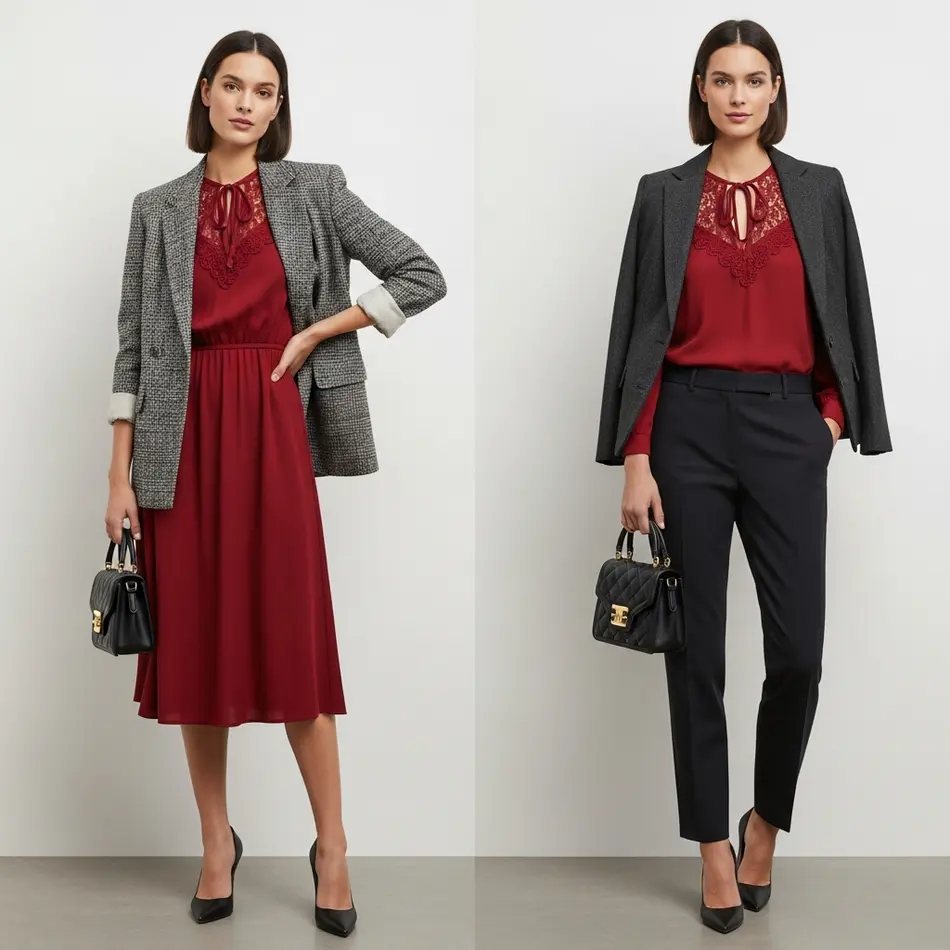
Instead of obvious reds, women are choosing deeper tones — oxblood, wine, soft plum. Instead of lace everywhere, a single textural detail: a silk blouse under a structured blazer, a delicate neckline paired with tailored trousers.
The effect is intentional without being loud.
What’s interesting is how often these choices mirror what women already wear — just slightly elevated. A dress you’ve worn to work before, styled differently. A knit that feels familiar, paired with sharper accessories.
Nothing screams Valentine’s Day. And that’s the point.
Digital Culture and the End of Themed Dressing
Social media once pushed themed dressing into overdrive. Valentine’s outfits became content — optimized for likes, saved for later, replicated endlessly. But digital culture has shifted again, faster than fashion cycles.
Now, there’s a visible preference for authenticity. The posts that resonate aren’t the most dramatic ones; they’re the ones that feel lived-in. A mirror selfie before heading out. A candid photo at a small table. Clothing that looks worn, not staged.
Women aren’t dressing for the algorithm anymore. Or at least, not exclusively. They’re dressing for how they’ll feel when the phone is back in their bag.
That shift has quietly reshaped Valentine’s Day style.
Dressing for the Evening You’ll Actually Have
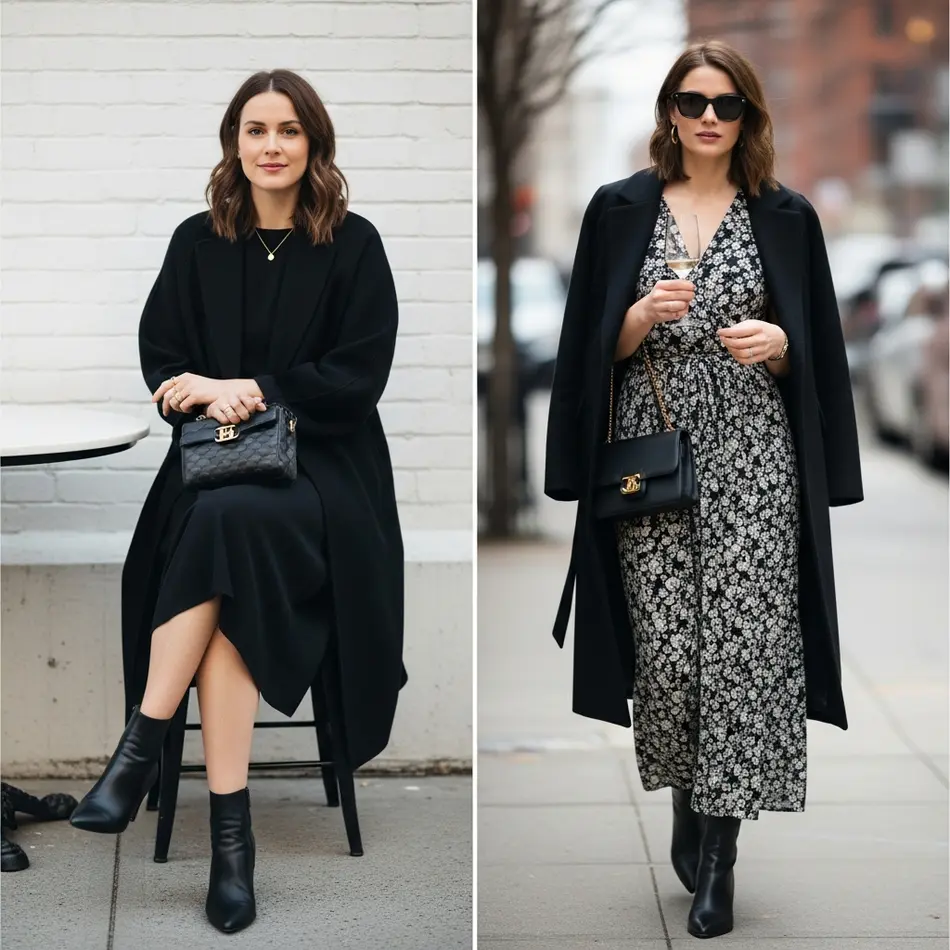
One of the most grounded ways women are approaching Valentine’s Day in 2026 is by dressing for reality, not aspiration.
Ask yourself what the night will likely include. Sitting. Walking. Laughing. Eating comfortably. Staying out longer than expected or heading home early. The outfit needs to survive all of it.
This doesn’t mean dressing down. It means dressing honestly.
A woman in New York choosing a tailored black dress she can layer against the cold. Someone in Toronto opting for soft trousers and a statement coat. In Australia, a lightweight dress that works just as well for a late lunch as it does for evening drinks.
The romance is in the ease.
Why Comfort Has Become Romantic Again

Comfort used to be framed as the opposite of romance. Practical shoes weren’t “sexy.” Stretch fabrics were hidden, not celebrated. Anything too wearable was dismissed as boring.
That hierarchy has collapsed.
There’s something quietly confident about a woman who isn’t distracted by her clothes. Who isn’t tugging at straps or worrying about wrinkles. Comfort now reads as self-assured, not careless.
And on Valentine’s Day, that self-assurance feels especially appropriate. Romance that depends on discomfort doesn’t hold much appeal anymore.
The Emotional Weight of Valentine’s Day Dressing
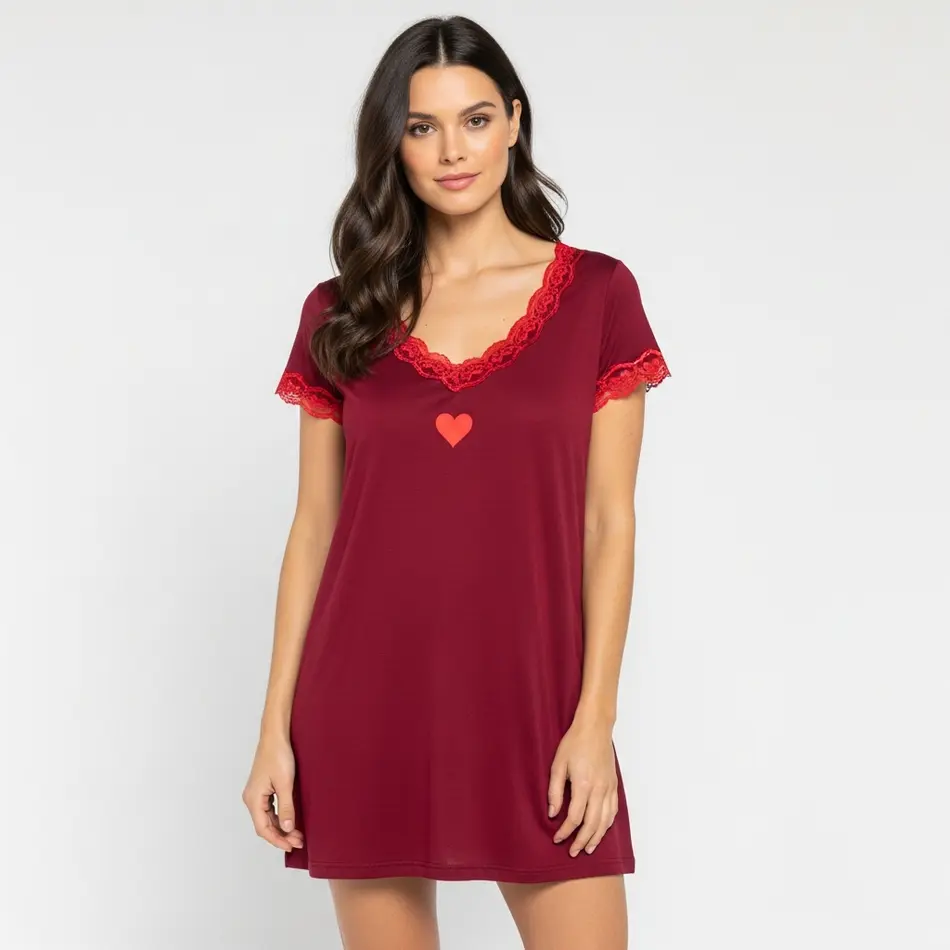
For all its surface-level sweetness, Valentine’s Day can carry emotional complexity. Not every woman is celebrating a picture-perfect relationship. Some are navigating new connections. Others are healing, or redefining what the day means to them.
Clothing can amplify that emotional weight — especially when it feels like a costume you’re supposed to wear convincingly.
Dressing in a way that feels true can be grounding. It removes one layer of performance from a day that already comes with expectations.
This is why the conversation around Valentine’s Day dressing matters. It’s not frivolous. It’s deeply tied to how women see themselves, especially in moments when romance is put under a spotlight.
A Note on Color, Without the Obvious

Avoiding costume love doesn’t mean avoiding color entirely. It just means being selective.
Red still appears — but often softened, deepened, or paired with neutrals. Pink shows up in muted forms, more blush than bubblegum. Even black, once considered too severe for Valentine’s Day, has become a favorite, especially when balanced with texture or subtle shine.
These choices feel less like a dress code and more like personal preference.
At Fashion Newz Room, the most compelling Valentine’s looks we notice each year are the ones that could exist comfortably on any other date — and somehow feel more romantic because of that restraint.
Why This Shift Matters to Women Right Now

There’s a broader cultural context here. Women are increasingly tired of being told how to perform femininity, romance, or desirability on cue. Valentine’s Day used to be one of those cues.
Rejecting costume dressing is a small but meaningful act. It says: I don’t need to look like a version of romance. I can live it, in my own clothes.
That autonomy matters. Especially in a digital age where visibility often comes with judgment.
Choosing what to wear on Valentine’s Day becomes less about meeting an expectation and more about honoring your own comfort, taste, and reality.
That’s not a trend. It’s a recalibration.
The Clothes You’ll Wear Again (And Again)
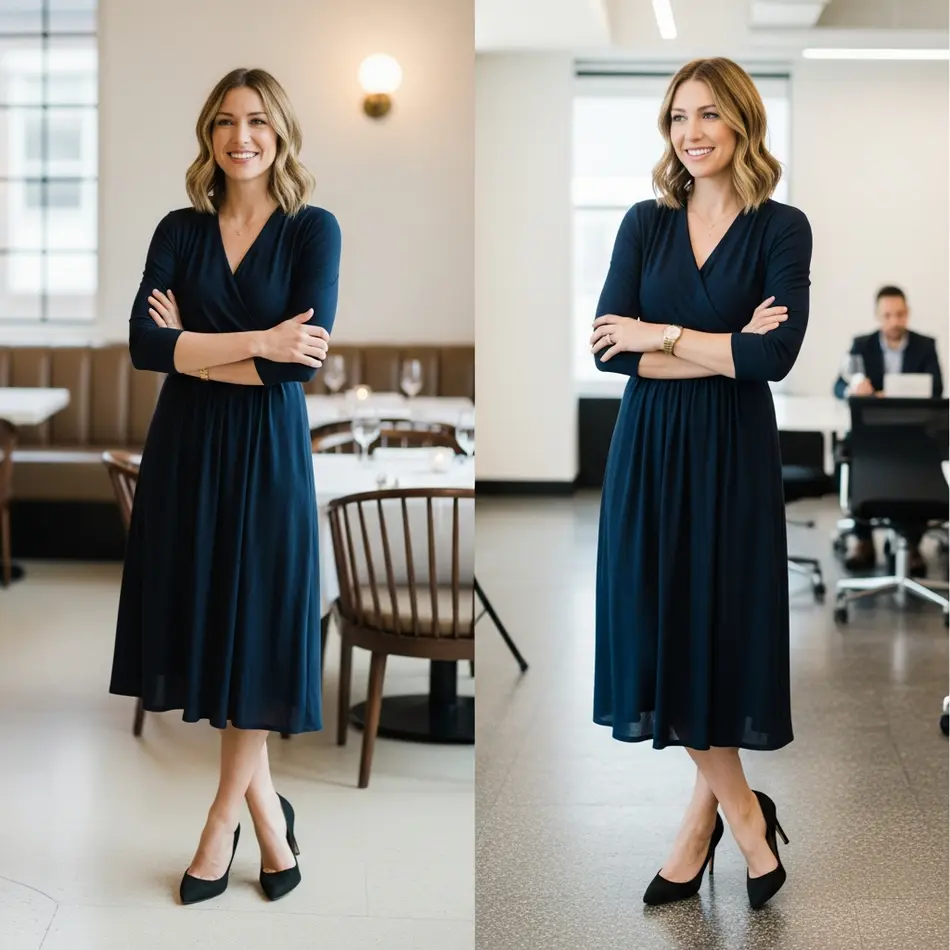
One of the quiet tests of a good Valentine’s outfit is whether it survives past February 14.
Women are increasingly investing in pieces that don’t expire with the holiday. A dress that works for a dinner this week and a meeting next month. Shoes that feel just as right on a random Tuesday.
There’s a satisfaction in knowing your outfit isn’t a one-night performance. It belongs to your wardrobe, not the calendar.
This mindset aligns naturally with the way women are thinking about fashion overall — more intentional, less reactive.
A Softer Way to Mark the Day
Valentine’s Day doesn’t need to be ignored or overplayed. It can be acknowledged quietly, through details that feel personal rather than prescribed.
A favorite fabric. A silhouette that makes you stand a little straighter. An outfit that doesn’t ask you to explain it.
Dressing this way doesn’t diminish romance. If anything, it brings it closer to real life — where love is less about spectacle and more about presence.
And perhaps that’s the most modern Valentine’s Day look of all.
Found this helpful? Save it to your Pinterest board!