In the world of eyewear fashion, few debates are as enduring as the cat-eye vs. aviator showdown. These two iconic styles have transcended decades, evolving from functional accessories to powerful fashion statements that continue to capture imaginations and complement faces across generations. Whether you’re drawn to the flirtatious uplift of cat-eye glasses or the sleek versatility of aviator glasses, understanding the nuances of each classic style can transform how you approach accessorizing. This comprehensive guide will explore every aspect of these legendary designs, from their historical origins to their modern interpretations, helping you determine which signature look truly suits your unique features, personality, and lifestyle. As we delve into this stylish confrontation, we’ll uncover why both designs remain perennially relevant and how you can leverage their distinct characteristics to elevate your personal aesthetic in 2025 and beyond.
1 Historical Roots: From Function to Fashion
Table of Contents
The origins of both cat-eye and aviator sunglasses reveal fascinating journeys from practical purpose to fashion supremacy. Aviator glasses were born from necessity during World War I, specifically designed to protect pilots’ eyes from the sun’s glare at high altitudes. Their teardrop shape provided optimal coverage, while the thin metal frames offered lightweight comfort during long flights . The design was later commercialized by companies like Ray-Ban and became synonymous with military precision and adventurous spirit . The style gained civilian popularity in the 1960s and 70s, transitioning from functional eyewear to counterculture symbol and eventually to mainstream fashion staple.
In contrast, cat-eye glasses emerged from purely aesthetic beginnings. Invented in the 1920s by Altina Schinasi Miranda, who drew inspiration from Venetian masks, these frames were among the first eyewear designs created specifically for women . The dramatic upswept corners echoed the exoticism of ancient Egyptian art and offered a distinctly feminine alternative to the predominantly utilitarian eyewear market. The style reached peak popularity in the 1950s and 60s, championed by Hollywood icons like Marilyn Monroe, Audrey Hepburn, and Grace Kelly, who appreciated their ability to convey both sophistication and playfulness . This glamorous association transformed cat-eye sunglasses into symbols of female empowerment and chic elegance—a reputation they maintain today as these sunglasses shapes back in style continue to dominate runways and street style scenes.
2 Design Elements: Breaking Down the Details
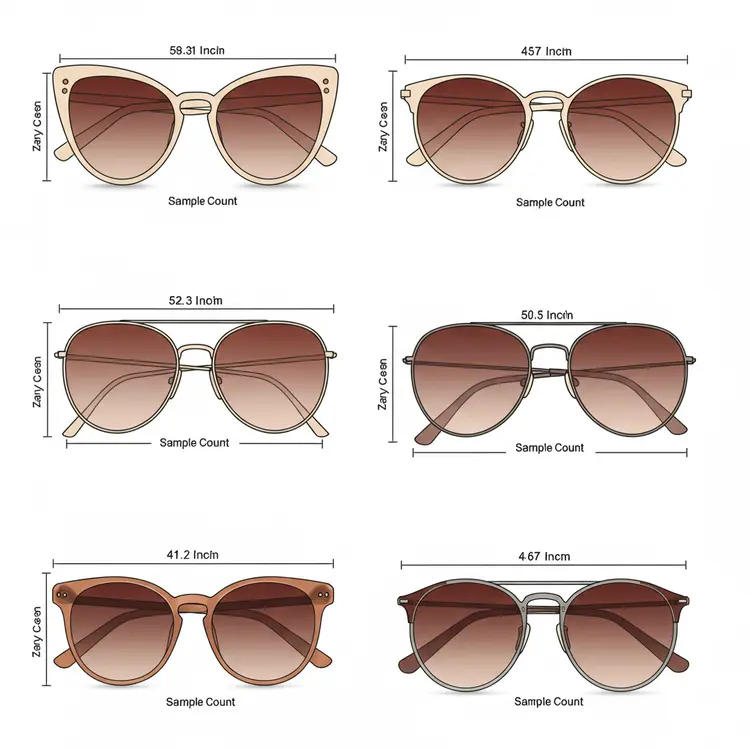
Understanding the distinctive design features of cat-eye and aviator sunglasses is essential to appreciating their unique appeals. Aviator glasses typically feature teardrop-shaped lenses that are wider at the top and narrower toward the bottom, providing extensive coverage that shields eyes from multiple angles . The frames are traditionally made of thin metal, often with a double or triple bridge bar that adds structural support and visual interest . Modern aviators come in various finishes including matte black, metallic shades, and even 23k gold, with lens options ranging from classic dark tints to polarized and mirrored varieties . The design emphasizes function without sacrificing form, creating a look that balances practicality with timeless cool.
Cat-eye glasses boast entirely different architectural elements centered on dramatic self-expression. Characterized by their distinctive upswept outer corners that mimic a feline’s eyes, these frames typically feature more substantial construction, often using acetate or plastic materials that allow for bold colors and patterns . The cat-eye silhouette varies considerably—from subtle lifts that offer a gentle retro nod to exaggerated wings that make bold fashion statements . Many contemporary designs incorporate decorative elements like crystal accents, metallic details, or color-blocking that emphasize the iconic shape . Unlike the uniform practicality of aviators, cat-eyes prioritize artistic expression, with their type of sunglasses offering endless variations on a theme of playful sophistication that continues to evolve with each fashion season.
3 Face Shape Compatibility: Finding Your Perfect Match

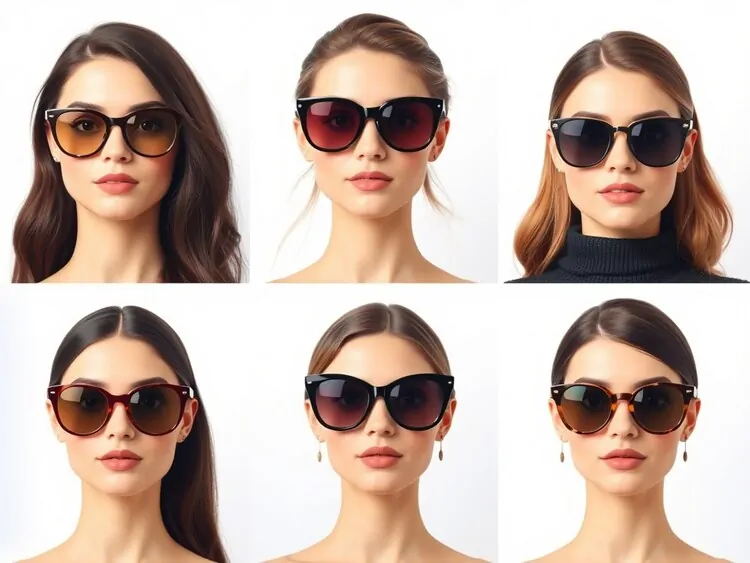
The relationship between face shape and sunglasses style is crucial to achieving a flattering look. Aviator glasses possess a versatile design that complements multiple face shapes exceptionally well. Their teardrop lenses and angled frames are particularly ideal for round faces, as they create contrasting angles that add definition and lengthen the appearance of the face . The style also works well for oval faces, maintaining the natural balance of features without overwhelming them. However, those with very angular or square faces might find that aviators exaggerate sharp features; in these cases, opting for softer-edged aviator variants or smaller lens sizes can create a more harmonious effect.
Cat-eye glasses offer equally specific flattering properties, particularly for certain facial structures. The upward sweep of these frames naturally draws attention to the brow line and cheekbones, making them excellent for heart-shaped faces by balancing a narrower chin with wider foreheads . They also provide beautiful contrast for round faces by adding angular definition and lifting facial features. Those with square faces might consider modified cat-eye shapes with softer corners to avoid emphasizing jawlines too strongly . The incredible diversity within the cat-eye category means that nearly every face shape can find a variation that works—smaller faces might prefer delicate, slightly upswept frames, while those with more pronounced features can carry bold, dramatic iterations that make intentional style statements.
Sunglasses Style Guide for Face Shapes
| Face Shape | Recommended Style | Key Considerations |
|---|---|---|
| Round | Aviator or Angular Cat-Eye | Creates contrast with angles and definition |
| Oval | Both Styles Work | Most styles complement balanced proportions |
| Square | Softened Cat-Eye or Navigator Aviators | Avoid emphasizing angular features too strongly |
| Heart | Classic Cat-Eye | Balances wider forehead with narrower chin |
| Oblong | Wayfarer or Browline | Adds width and breaks up length of face |
4 Fashion and Styling: How to Wear Each Style
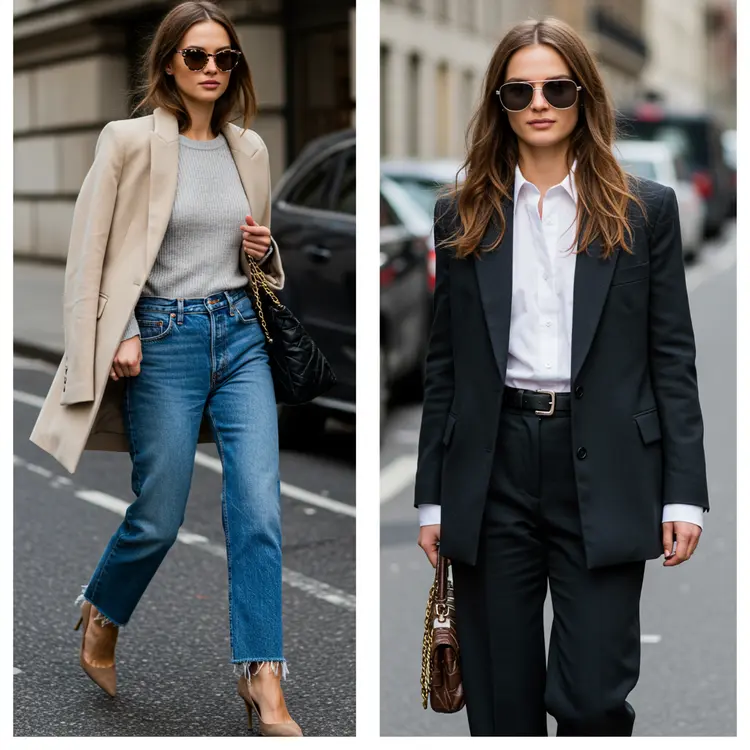
Integrating these classic sunglasses into your wardrobe requires understanding their distinct style personalities. Aviator glasses project an effortless cool that straddles casual and refined aesthetics with equal ease. For everyday wear, they pair perfectly with jeans and t-shirts, adding a touch of rugged sophistication to simple outfits . For more polished occasions, metal-framed aviators in gold or silver finishes can complement tailored pieces and even business attire, offering a subtle hint of rebelliousness to conventional looks. The key to styling aviators lies in embracing their inherent versatility—they transition seamlessly from outdoor adventures to urban environments, always maintaining that understated aura of competence and style.
Cat-eye glasses demand a more intentional approach to styling that celebrates their expressive nature. These frames naturally elevate any outfit with their retro-glam vibe, making them perfect for occasions where you want to make a sartorial statement . They pair exceptionally well with vintage-inspired clothing—think fit-and-flare dresses, tailored capri pants, or modern bohemian ensembles. However, contemporary fashion has embraced the contrast of dramatic cat-eyes with minimalist clothing, allowing the sunglasses to serve as the focal point of an otherwise understated outfit. For those new to the style, starting with smaller, less exaggerated frames in neutral colors can provide an accessible entry point before graduating to bolder statements featuring unusual colors or decorative elements that showcase personality.
5 The 2025 Update: Modern Interpretations
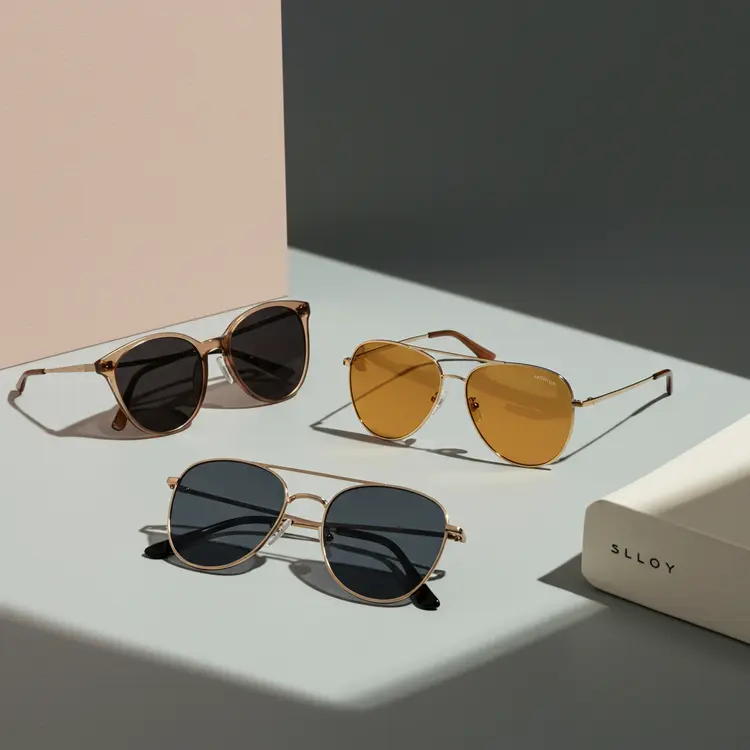
As we move further into the decade, both cat-eye and aviator styles continue to evolve with fresh interpretations that balance heritage designs with contemporary sensibilities. Aviator glasses are experiencing innovations in materials and proportions, with sustainable metals and recycled components becoming increasingly prevalent . Modern iterations include oversized aviators that offer enhanced coverage and dramatic presence, along with colorful lens options that update the classic silhouette with contemporary flair . Technical advancements have also improved functionality, with premium options featuring polarization, photochromic technology that adapts to changing light conditions, and blue light filtration for our increasingly digital lives .
Cat-eye glasses have embraced equally exciting transformations in the current fashion landscape. 2025 sees these frames evolving in both directions—toward more delicate, minimalist interpretations that offer subtle refinement, and simultaneously toward exaggerated, architectural statements that push the boundaries of eyewear design . Transparent and lightly tinted frames continue to trend, allowing the distinctive cat-eye shape to stand out without color dominance . Designers are also experimenting with hybrid forms that blend cat-eye elements with other shapes, creating fresh silhouettes that maintain the feminine uplift while introducing unexpected geometric influences. These modern interpretations ensure that both classic styles remain relevant and exciting for contemporary consumers who value both tradition and innovation in their accessories.
6 How to Choose: Practical Considerations Beyond Aesthetics

Selecting between these iconic styles involves practical considerations that extend beyond mere appearance. For those with active lifestyles, aviator glasses often present advantages worth considering. Their secure fit, especially models with nose pads and temple grips, makes them ideal for physical activities and outdoor adventures . The wraparound nature of many aviator designs provides superior peripheral protection from sun and wind, while polarized lens options significantly reduce glare during driving, water activities, or snow sports . Additionally, the typically metal construction of aviators makes them lightweight for extended wear, with many models offering spring hinges for comfortable flexibility that accommodates different head shapes.
Cat-eye glasses present their own set of practical advantages that might sway your decision. The often broader top frame of cat-eye designs provides additional protection for the delicate eyelid area, which is particularly vulnerable to UV damage . Those who require prescription sunglasses might find that cat-eye frames offer more surface area for vision correction, especially if they have stronger prescriptions that benefit from larger lens dimensions. The typically acetate construction of many cat-eyes also offers durability and resistance to temperature changes that can affect metal frames. For those who prioritize fashion versatility, the dramatic presence of cat-eye sunglasses means they can function as statement pieces that elevate multiple outfits while providing essential sun protection—proving that practicality and style need not be mutually exclusive.
7 Investment Value: Quality Indicators and Longevity
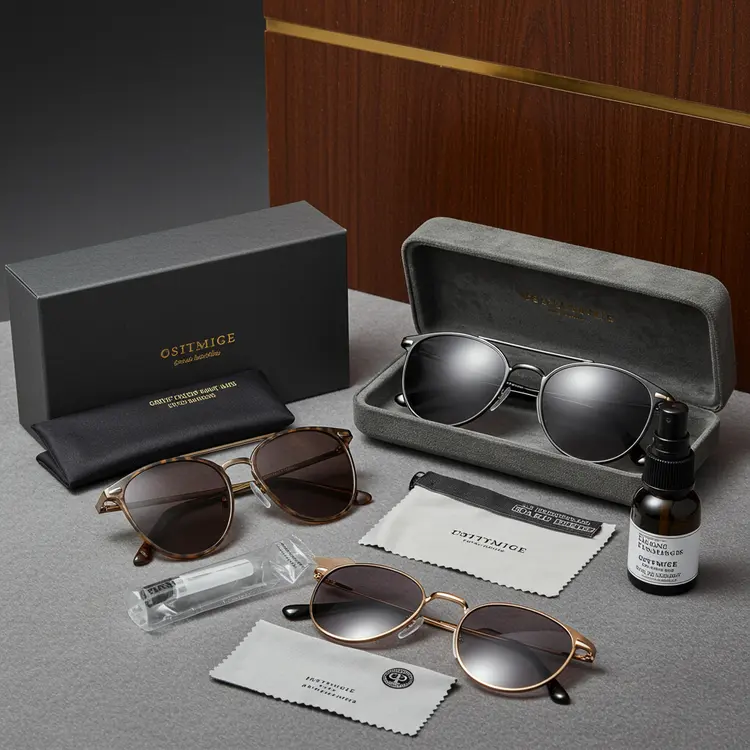
When investing in either of these classic styles, recognizing quality craftsmanship ensures your sunglasses will provide years of wear and enjoyment. For aviator glasses, examine the bridge construction—well-made aviators feature solid welding points rather than glued connections. The nose pads should be adjustable and made of high-quality materials that won’t discolor or deteriorate with time . Premium aviators often feature glass lenses rather than plastic, offering superior optical clarity and scratch resistance, though modern polycarbonate options have made significant advancements in durability and impact resistance . American-made aviators from heritage brands like Randolph Engineering represent the pinnacle of quality, with military-grade construction that literally meets armed forces specifications .
Quality cat-eye glasses demonstrate excellence through different indicators. Well-crafted cat-eyes show precision in the upswept corners, with symmetrical angles that align perfectly on both sides. The hinges should operate smoothly without pinching, with many luxury models featuring five- or seven-barrel hinges that offer greater durability than standard three-barrel designs . Acetate frames should have consistent color saturation without streaks or bubbles, indicating higher quality cellulose acetate production. For both styles, lens quality remains paramount—look for 100% UVA/UVB protection certification, which should be clearly indicated regardless of price point . Polarized options should demonstrate true glare reduction without visual distortion, particularly important if you drive frequently or spend time near water.
Conclusion: Embracing Your Signature Style
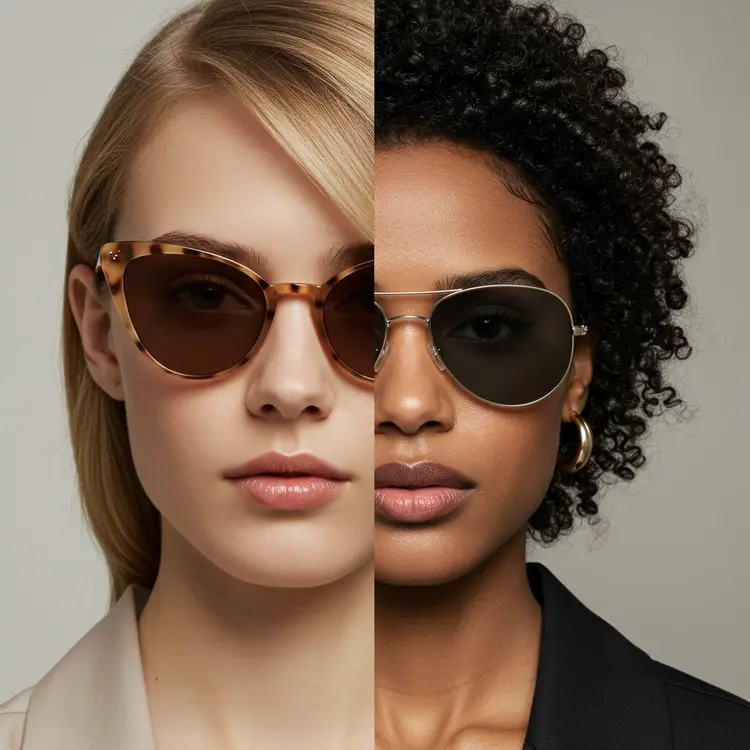
The cat-eye versus aviator debate ultimately resolves not through declaring one style universally superior, but through recognizing how each serves different personal aesthetics, functional needs, and facial features. Aviator glasses offer timeless versatility, rugged functionality, and understated cool that has transcended decades while adapting to contemporary trends. Meanwhile, cat-eye glasses provide expressive elegance, feminine flair, and artistic statement-making power that continues to evolve while honoring its glamorous heritage. Both represent enduring classic style in the world of eyewear, offering proven designs that have weathered passing trends while maintaining their relevance and desirability.
As you contemplate which style belongs in your collection, consider experimenting with both—perhaps starting with more accessible price points before investing in heritage quality pieces. Remember that the perfect sunglasses should not only flatter your features but also reflect your personality, complement your lifestyle, and provide the protection your eyes deserve. Whether you ultimately choose the adventurous spirit of aviators or the dramatic elegance of cat-eyes, you’re participating in a rich sartorial tradition that connects you to fashion history while expressing your unique identity. In the world of enduring style, some classics simply never go out of fashion—they just await your personal interpretation.