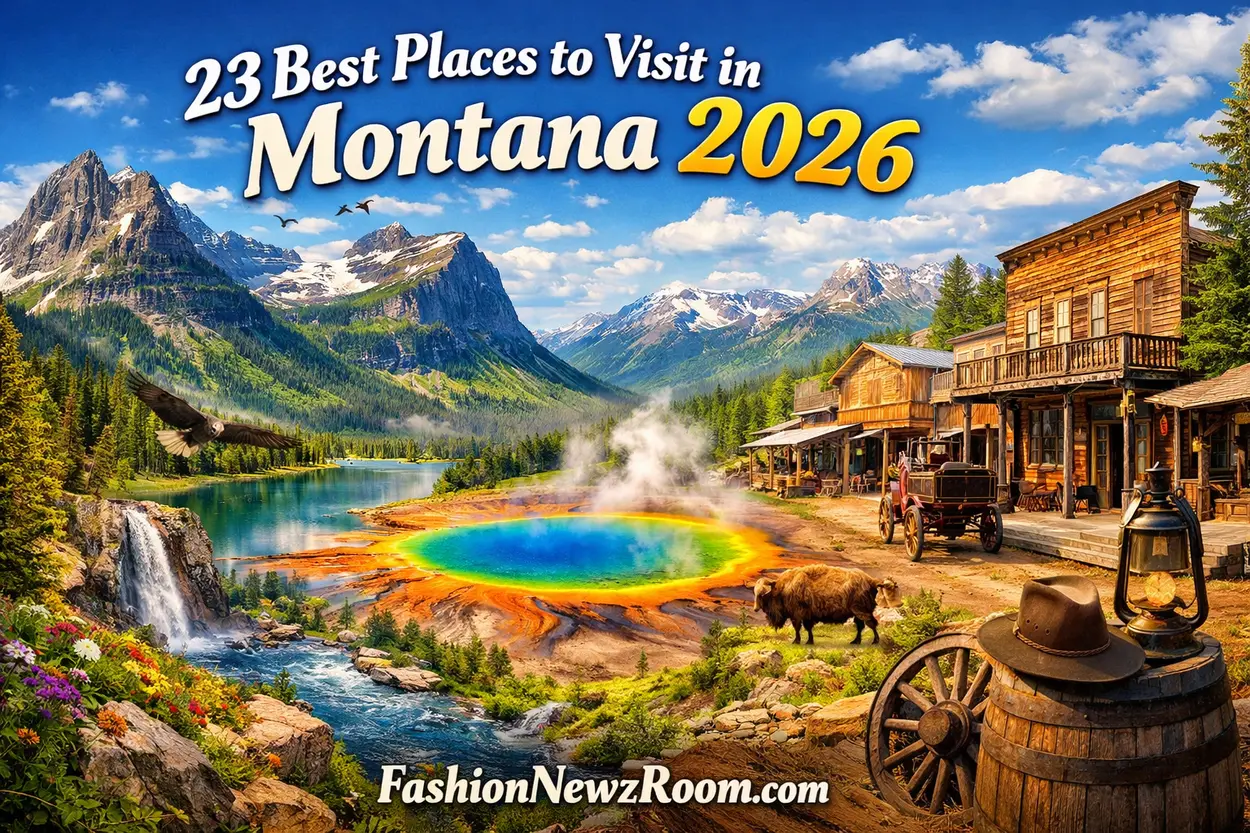
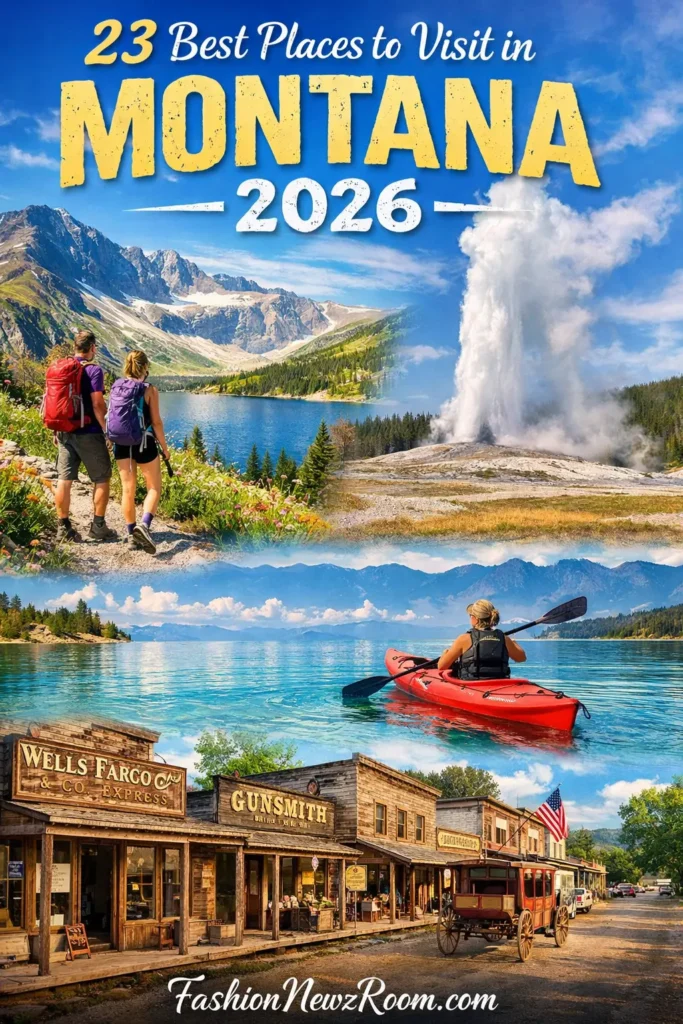
If you are planning a memorable US getaway in 2026, visiting Montana is one of the smartest choices you can make. Known for its vast open landscapes, dramatic mountain ranges, and untouched wilderness, Montana offers a rare sense of freedom that is increasingly hard to find in modern travel destinations. What makes Montana even more appealing today is its balance between raw nature and evolving travel infrastructure—allowing visitors to explore comfortably without compromising authenticity.
In recent years, Montana has embraced sustainable tourism, slow travel experiences, and eco-conscious adventures, making it ideal for travelers who want more than just sightseeing. Whether you’re drawn to wildlife encounters, scenic drives, historical towns, or peaceful lakeside escapes, Montana delivers on all fronts.
Best Towns and Cities to Visit in Montana (Detailed Guide)
Table of Contents
1. Helena
Helena is far more than just a capital city—it’s a living museum of Montana’s gold rush era blended with modern creativity. As you walk through Reeder’s Alley, you’ll notice preserved brick buildings that date back to the late 1800s, giving you a true sense of the city’s prosperous past. What makes Helena special in 2026 is how seamlessly it blends history with a growing cultural scene.
Spend time exploring the Montana State Capitol, where detailed murals and architecture tell stories of the state’s political evolution. After that, head to the Montana Historical Society to dive deeper into regional heritage.
Helena is also gaining popularity for its walking tours, cycling routes, and nearby hiking trails like Mount Helena City Park. In the evenings, the downtown area comes alive with local restaurants, breweries, and art events—making it a well-rounded destination for both history lovers and modern travelers.
2. Big Sky
Big Sky has transformed into one of the most dynamic year-round destinations in the US. While it’s globally recognized for Big Sky Resort and its vast ski terrain, the town now offers much more than winter sports.
In summer, Big Sky becomes a paradise for hiking, fly fishing, mountain biking, and wildlife spotting. Trails like Ousel Falls and Beehive Basin are particularly popular for their scenic beauty and accessibility. Additionally, Big Sky’s proximity to Yellowstone National Park makes it a strategic base for exploring geothermal wonders and wildlife.
In 2026, Big Sky is also known for its luxury lodges, wellness retreats, and stargazing experiences, thanks to minimal light pollution. It’s the perfect place if you want a mix of adventure and relaxation.
3. Philipsburg
Philipsburg offers a charming step back into Montana’s mining past while still providing modern experiences. The town’s colorful buildings, candy shops, and sapphire mining activities make it especially appealing for families and curious travelers.
A visit to Granite Ghost Town State Park is a highlight, where you can walk among abandoned structures that tell stories of Montana’s booming mining era. In addition, Philipsburg has developed a strong reputation for local breweries, artisan shops, and small-town festivals, which add a lively touch to its historic charm.
4. Garryowen
Garryowen is deeply rooted in American history and offers one of the most educational and thought-provoking travel experiences in Montana. Located near the Little Bighorn Battlefield National Monument, this area allows visitors to explore the complex and often misunderstood history between Native American tribes—particularly the Lakota, Cheyenne, and Arapaho—and the US military.
Exploring the Custer National Cemetery provides a quiet and reflective experience, where rows of white headstones mark the lives lost during the conflict. What makes Garryowen especially meaningful in 2026 is the increasing availability of Native-led tours and storytelling sessions, which provide deeper cultural context and present history from multiple perspectives rather than a single narrative.
Visitors can also stop at the battlefield visitor center, where interactive exhibits, historical artifacts, and detailed maps help bring the events of the Battle of Little Bighorn to life. Walking trails across the battlefield allow you to follow the movements of both sides, creating a more immersive understanding of the terrain and strategy.
For those interested in cultural tourism, Garryowen is located within the Crow Reservation, making it a great opportunity to learn about modern Native American culture, traditions, and community life. Local craft shops and seasonal events often showcase authentic art, beadwork, and storytelling traditions that enrich your visit even further.
5. Great Falls
Great Falls is a cultural hotspot that perfectly blends history, art, and outdoor beauty. Often referred to as the “Electric City,” Great Falls has evolved into a destination where visitors can enjoy both educational attractions and relaxing riverside experiences.
The C.M. Russell Museum is a must-visit, showcasing the works of one of America’s most famous Western artists, while the Lewis and Clark Interpretive Center offers a fascinating look into the famous expedition through immersive exhibits, short films, and hands-on displays.
In 2026, the city’s riverfront area along the Missouri River has become a highlight, with well-maintained walking and biking trails, scenic overlooks, and picnic spots. The nearby Giant Springs State Park is easily accessible and provides a peaceful escape with crystal-clear waters and shaded pathways.
Great Falls is also gaining recognition for its food scene and local breweries, making it a great place to unwind after a day of exploring. Seasonal events, farmers’ markets, and art fairs add even more vibrancy to the city, especially during spring and summer months.
6. Bozeman
Bozeman is one of Montana’s most dynamic and fastest-growing destinations, offering a perfect balance between modern living and outdoor adventure. With the presence of Montana State University, the city has a youthful, innovative, and welcoming atmosphere that appeals to travelers of all ages.
Bozeman stands out in 2026 for its thriving culinary scene, featuring farm-to-table restaurants, artisanal bakeries, and locally roasted coffee shops. Downtown Bozeman is particularly lively, with boutique stores, galleries, and regular community events that create a vibrant social environment.
Outdoor enthusiasts will find no shortage of activities, from hiking in the nearby mountains to skiing in winter. The popular Bozeman Hot Springs offers a relaxing retreat, especially after a long day of exploring. Additionally, Bozeman serves as a gateway to Yellowstone National Park, making it an excellent base for day trips.
In recent years, Bozeman has also become a hotspot for digital nomads and remote workers, thanks to its quality of life, coworking spaces, and scenic surroundings.
7. Whitefish
Whitefish is a dream destination for outdoor enthusiasts and one of the most picturesque towns in Montana. Located near Glacier National Park, it serves as an ideal base for exploring one of the most breathtaking national parks in the US.
The Whitefish Mountain Resort is a year-round attraction, offering skiing and snowboarding in winter, and hiking, ziplining, and mountain biking during warmer months. The resort is known for its well-maintained slopes and stunning panoramic views.
In summer, Whitefish Lake becomes the center of activity, where visitors can enjoy kayaking, paddleboarding, swimming, and lakeside relaxation. The downtown area of Whitefish is equally charming, filled with local shops, art galleries, and cozy restaurants that reflect the town’s welcoming vibe.
Whitefish is also known for its easy access to scenic drives, including routes that lead directly into Glacier National Park, making it perfect for photographers and road trip lovers.
8. Missoula
Missoula offers a unique blend of urban culture and outdoor adventure, making it one of the most vibrant and livable cities in the state. Set along the Clark Fork River, Missoula is ideal for activities like fishing, kayaking, rafting, and riverside cycling.
The city has a strong reputation for its arts and cultural scene, with venues like the Missoula Art Museum showcasing contemporary and regional art. Live music, theater performances, and film festivals are common throughout the year, adding to the city’s creative energy.
Missoula is also a gateway to nearby wilderness areas, including national forests and hiking trails, making it perfect for travelers who want both city comforts and outdoor exploration. Farmers’ markets, food trucks, and local cafés further enhance its appeal, especially during the warmer months.
9. Choteau
Choteau is a hidden gem that stands out for its incredible paleontological significance. Located near Egg Mountain, it offers a rare glimpse into one of the most important dinosaur nesting grounds ever discovered.
Visitors can explore the Old Trail Museum, which features a fascinating mix of exhibits ranging from dinosaur fossils to Native American artifacts and frontier history. The museum’s diversity makes it engaging for both adults and children.
For a more hands-on experience, nearby facilities offer guided fossil digs and educational programs, allowing visitors to participate in real paleontology activities. The surrounding landscapes also provide opportunities for hiking, wildlife spotting, and scenic photography.
10. Butte
Butte is a city rich in mining heritage and historical significance. Once known as one of the richest mining towns in the world, Butte still proudly displays its past through well-preserved landmarks and museums.
A visit to the World Museum of Mining offers an in-depth look at the lives of miners and the evolution of mining technology.
In 2026, Butte has reinvented itself with restored historic districts, cultural festivals, and a growing nightlife scene. Walking tours through Uptown Butte reveal beautiful old buildings, local stories, and a strong sense of community pride.
Additionally, Butte hosts several annual events, including music festivals and heritage celebrations, making it an exciting destination beyond just its historical appeal.
11. Virginia City
Virginia City is one of the best-preserved Old West towns in the United States, offering a truly immersive journey back to the 19th century. Once a booming gold rush town, Virginia City has carefully maintained its historic charm, allowing visitors to experience Montana’s frontier past in a way that feels authentic rather than staged.
As you walk along the wooden sidewalks, you’ll pass original saloons, general stores, and historic homes, many of which date back to the 1800s. The town feels like a living museum, where every corner tells a story. One of the highlights is visiting the Virginia City Opera House, where live performances and classic plays bring old traditions to life.
In 2026, Virginia City has enhanced its visitor experience with interactive reenactments, guided ghost tours, and historical storytelling sessions, making it especially engaging for families and history enthusiasts. You can watch staged gunfights, ride historic stagecoaches, or even take a short trip on a vintage train to nearby Nevada City.
Local museums, such as small heritage centers scattered throughout the town, provide deeper insights into gold mining, frontier life, and early settlers. There are also artisan shops and handmade craft stores where you can find unique souvenirs that reflect Montana’s heritage.
Virginia City is best visited during late spring through early fall, when the town is fully active with events, performances, and open attractions. It’s a destination where you don’t just observe history—you step directly into it.
12. Kalispell (NEW)
Kalispell is quickly emerging as one of Montana’s most appealing travel destinations in 2026, especially for those who prefer a quieter and more relaxed alternative to nearby Whitefish. While it may not be as widely known, Kalispell offers the perfect balance of small-town charm, modern amenities, and easy access to some of Montana’s most stunning प्राकृतिक landscapes.
Located near Flathead Lake—the largest natural freshwater lake west of the Mississippi—Kalispell is ideal for travelers who enjoy boating, fishing, kayaking, and lakeside relaxation. The surrounding المنطقة is dotted with scenic viewpoints, picnic spots, and peaceful beaches, making it perfect for slow travel experiences.
Kalispell’s historic downtown is another highlight, featuring beautifully preserved architecture, boutique shops, art galleries, and locally owned restaurants. In 2026, the town has also seen growth in its food scene, with farm-to-table dining and craft breweries becoming increasingly popular.
One of Kalispell’s biggest advantages is its proximity to Glacier National Park, which is just a short drive away. This makes it an excellent base for travelers who want to explore the park while avoiding the crowds and higher accommodation prices of busier tourist hubs.
For outdoor enthusiasts, Kalispell offers easy access to hiking trails, scenic drives, and wildlife viewing opportunities, while still providing a calm and laid-back atmosphere at the end of the day. Whether you’re planning a peaceful retreat or a nature-filled adventure, Kalispell is a destination that delivers both comfort and beauty.
Best Natural Places to Visit in Montana (Detailed Guide)
13. Yellowstone National Park
Yellowstone National Park is arguably America’s most famous national park, celebrated worldwide for its geothermal wonders, wildlife, and stunning landscapes. While Old Faithful remains the iconic geyser that draws millions of visitors annually, Yellowstone offers so much more than a single attraction. Visitors can explore steaming mud pots, colorful hot springs like the Grand Prismatic Spring, and the dramatic Yellowstone Canyon, complete with Upper and Lower Falls.
In 2026, the park has implemented improved visitor systems, including timed parking at popular attractions and mobile app-guided trails, which help manage crowds while protecting delicate ecosystems. Wildlife spotting is a highlight: you may see bison grazing on plains, grizzly bears foraging in the backcountry, or herds of elk roaming forested areas.
For outdoor enthusiasts, Yellowstone provides a wealth of activities: hiking across alpine trails, rafting the Yellowstone River, fishing in pristine waters, and winter snowshoeing. Photography opportunities abound, with sunrise and sunset painting thermal features in surreal colors. The park also has numerous ranger-led programs, including guided wildlife tours, geology talks, and stargazing events, perfect for visitors wanting a deeper connection to nature.
14. Flathead National Forest
Flathead National Forest stretches across over 2.4 million acres of mountains, forests, and lakes, making it one of Montana’s most extensive natural playgrounds. It is perfect for all-season adventures: winter offers snowmobiling, cross-country skiing, and snowshoeing, while spring, summer, and fall are ideal for hiking, backpacking, mountain biking, and wildlife viewing.
Flathead National Forest is home to diverse wildlife, including grizzly and black bears, moose, elk, bighorn sheep, and a wide variety of birds of prey. Anglers can fish in crystal-clear streams and lakes, while campers can choose from both primitive and developed campgrounds.
2026 has seen upgrades to trail signage, visitor centers, and backcountry safety information, making exploration safer and more enjoyable. Scenic drives, such as the Whitefish Mountain loop or trails to alpine lakes like Swan Lake, offer breathtaking vistas year-round.
15. Gates of the Mountains Wilderness
Gates of the Mountains Wilderness is a dramatic and peaceful natural area located along a striking stretch of the Missouri River. The best way to explore this 30,000-acre wilderness is by boat, allowing you to appreciate sheer limestone cliffs rising from the river, carved over millennia.
Visitors in 2026 can rent kayaks, paddleboards, or take guided tours with expert naturalists who provide fascinating insights into local flora, fauna, and Native American history. Along the river, you may spot deer, bald eagles, and even nesting ospreys.
For hiking enthusiasts, there are trails that lead into remote parts of the wilderness, providing opportunities for solitude, photography, and camping under starry skies. The Gates of the Mountains Wilderness is ideal for a half-day or full-day adventure, combining water exploration with dramatic landscapes.
16. Giant Springs State Park
Giant Springs State Park is famous for its massive freshwater spring, producing an estimated 156 million gallons of water per day. The park offers family-friendly trails, picnic areas, and scenic river views, making it a peaceful retreat for a day trip or a quiet weekend escape.
Fishing is popular along the spring-fed Roe River, one of the shortest rivers in the world, while walking and biking paths allow visitors to take in the surrounding forested areas. In 2026, the park has improved accessibility and added interpretive signage detailing the hydrology and history of the springs, connecting visitors with both nature and Montana’s past.
17. Lewis & Clark Caverns State Park
Lewis & Clark Caverns State Park is renowned for its impressive limestone caverns, featuring dramatic stalactites, stalagmites, and underground formations. Guided tours take you deep into Clark Caverns, offering a thrilling educational experience while highlighting geological processes that have shaped the region over millions of years.
Above ground, the park has well-marked hiking trails, picnic spots, and viewpoints with panoramic vistas. In 2026, the park has enhanced visitor services, including expanded cave tour schedules, new lighting for photography, and seasonal ranger programs, making it a must-see for families, school groups, and geology enthusiasts.
18. Flathead Lake State Park
Flathead Lake State Park surrounds the largest natural freshwater lake in the western United States, offering a haven for boating, sailing, kayaking, paddleboarding, and swimming. The park is divided into six main sections, each offering unique camping, picnic, and hiking opportunities.
In 2026, Flathead Lake State Park has upgraded its campgrounds and boat launches, making it easier for visitors to enjoy both day trips and multi-night stays. The area is perfect for birdwatching, as ospreys, eagles, and herons are commonly spotted. Scenic drives along the lake’s perimeter provide photographers and road-trippers with stunning sunrise and sunset views over the water.
19. Bighorn Canyon National Recreation Area
Bighorn Canyon National Recreation Area spans the Montana-Wyoming border and features towering canyon walls, winding trails, and wildlife-rich riverbanks. Visitors have the rare chance to see wild horses roaming freely in the area, a sight that delights photographers and nature lovers alike.
Hiking, horseback riding, and scenic drives through the canyon are highly recommended. Kayaking or paddleboarding on the Bighorn River adds an adventurous element. In 2026, the park emphasizes guided ranger tours and interpretive programs, which provide deeper insight into Native American history, geology, and local flora and fauna.
20. Makoshika State Park
Makoshika State Park is Montana’s largest state park and is famed for its badlands landscape, dinosaur fossils, and striking geological formations. Visitors can explore hiking trails, interpretive centers, and fossil exhibits that showcase Tyrannosaurus Rex, Triceratops, and other prehistoric creatures.
In 2026, Makoshika has expanded its educational programming, including fossil digs, guided tours, and outdoor classrooms for school groups, making it engaging for both families and serious paleontology enthusiasts. Sunset and sunrise hikes reveal dramatic shadows over the rugged terrain, perfect for photographers.
21. Upper Missouri River Breaks National Monument
Upper Missouri River Breaks National Monument covers 377,000 acres along the Missouri River and offers an immersive wilderness experience. Kayaking, fly-fishing, hiking, and horseback riding are all popular ways to explore the monument.
The area is known for its remote beauty, towering cliffs, and abundant wildlife, including deer, coyotes, eagles, and river otters. In 2026, the monument has improved visitor access, trail maps, and guided tour options, making it easier to navigate this wild and largely untouched part of Montana.
22. Glacier National Park
Glacier National Park continues to be Montana’s most iconic destination, famous for its alpine scenery, glaciers, and diverse ecosystems. Highlights include Lake McDonald and Logan Pass, where visitors can hike, spot mountain goats, and enjoy panoramic views of the Continental Divide.
2026 brings enhanced shuttle services, trail maintenance, and digital navigation aids, improving visitor flow and safety. Seasonal activities include summer hiking, photography, boating, and wildlife spotting, as well as winter snowshoeing and cross-country skiing in lower elevation areas. Glacier remains a bucket-list destination for adventurers and photographers alike.
23. Beartooth Highway (NEW)
Beartooth Highway is widely regarded as one of the most scenic drives in the United States. Stretching over 68 miles, it traverses alpine plateaus, rugged peaks, and dramatic valleys, offering breathtaking vistas and unforgettable road trip experiences.
2026 travelers can enjoy improved scenic pullouts, hiking trails, and lookout points along the route. Wildlife is abundant, with bighorn sheep, marmots, and eagles commonly spotted. The highway is particularly stunning in late spring through early fall, when wildflowers bloom across the alpine meadows. Photographers, cyclists, and adventure seekers alike find the Beartooth Highway a must-do for a Montana road trip.
FAQs
1. What is the best time to visit Montana?
The ideal time to visit Montana is late spring through early fall (May–September) for pleasant weather, accessible trails, and wildlife viewing. Winter is perfect for skiing and snow adventures, especially in Big Sky or Whitefish. Each season offers unique activities, so plan based on your interests.
2. How do I get around Montana?
Montana is best explored by car due to its vast distances and rural areas. Major highways connect cities, while scenic drives like the Beartooth Highway enhance your experience. For national parks and wilderness areas, consider guided tours, shuttles, or hiking excursions to reach spots that aren’t vehicle-accessible.
3. What are must-see national parks in Montana?
Yellowstone, Glacier, and Bighorn Canyon are Montana’s top national parks. Yellowstone is famous for geothermal features, Glacier offers breathtaking alpine scenery, and Bighorn Canyon features wild horses and dramatic cliffs. Each park has unique activities, including hiking, rafting, wildlife spotting, and photography opportunities.
4. Which towns in Montana are best for cultural experiences?
Helena, Great Falls, and Missoula are cultural hubs. Helena showcases historic architecture and museums; Great Falls offers Western art, riverside trails, and interactive Lewis & Clark exhibits; Missoula blends arts, live music, and local festivals with outdoor adventures along the Clark Fork River.
5. Can I see wildlife in Montana?
Yes! Montana offers abundant wildlife viewing, from bison and elk in Yellowstone to mountain goats in Glacier National Park. You can also spot bald eagles, moose, and wild horses in Bighorn Canyon. Early mornings or evenings are ideal for wildlife sightings, and guided tours enhance your chances.
6. Are there family-friendly attractions in Montana?
Absolutely! Family-friendly spots include Giant Springs State Park, Makoshika State Park, Lewis & Clark Caverns, and the Old Trail Museum in Choteau. Activities range from interactive museums and fossil digs to gentle hikes, boating, and picnic areas, offering educational and fun experiences for all ages.
7. Is Montana safe for outdoor adventures?
Yes, Montana is generally safe, but outdoor safety is crucial. Carry maps, sufficient water, and bear spray in wilderness areas. Follow trail markers, stay informed about weather, and respect wildlife. Parks like Yellowstone and Glacier provide visitor centers with safety guidelines and ranger-led programs to ensure a secure experience.
8. Where can I find the best scenic drives in Montana?
Montana is famous for scenic drives like the Beartooth Highway, Going-to-the-Sun Road in Glacier, and routes around Flathead Lake. These roads offer panoramic mountain views, alpine meadows, and wildlife spotting opportunities. Spring and summer are ideal, but autumn adds vibrant foliage to your journey.
9. What outdoor activities are popular in Montana?
Montana offers hiking, camping, kayaking, rafting, fishing, skiing, and snowboarding. Yellowstone and Glacier are ideal for hikes and wildlife photography, Big Sky and Whitefish for winter sports, and Flathead Lake for water sports. Guided tours and adventure companies make it easy for beginners and families to enjoy safely.
10. How long should I spend exploring Montana?
A full Montana experience typically takes 7–14 days, covering national parks, scenic drives, and historic towns. Shorter trips of 3–5 days can focus on a single region, like Glacier or Yellowstone. Allow extra time for travel between destinations, as distances are long but landscapes and attractions are unforgettable.
Final Thoughts
Montana in 2026 offers a perfect balance of adventure, relaxation, and discovery. Whether you’re exploring Glacier National Park or enjoying small-town charm in Philipsburg, every moment feels meaningful and memorable.