Choosing the right breathable hijab fabrics for summer can dramatically improve comfort during hot weather. Lightweight materials like cotton, modal, chiffon, linen, and bamboo allow airflow, absorb moisture, and prevent heat buildup. This guide explores the top 10 breathable hijab fabrics for hot climates, explains how each material performs in humidity or dry heat, and shares expert tips for staying cool while maintaining a stylish modest wardrobe.
Key Takeaways
Table of Contents
- The best hijab fabric for summer should be lightweight, breathable, and moisture-absorbing.
- Natural fibers such as cotton, linen, and bamboo offer superior airflow and sweat control.
- Fabrics like modal and viscose provide softness while remaining breathable for everyday wear.
- Avoid heavy synthetic materials that trap heat and increase sweating.
- Choosing the right fabric based on climate—dry, humid, or tropical—can make a huge difference in comfort.
- Light colors, loose styling, and breathable undercaps further enhance summer comfort.
Why Fabric Choice Matters in Hot Weather Hijab Styling
Summer can be beautiful, but it also brings one common challenge for many women who wear hijabs: heat.
Imagine stepping outside on a humid afternoon. The sun is intense, the air feels heavy, and your scarf suddenly feels warmer than usual. It’s not the hijab itself causing discomfort—it’s the fabric.
That’s why choosing the right breathable hijab fabrics for summer is essential.
A well-selected material can make the difference between feeling overheated and staying comfortable throughout the day. The right fabric improves air circulation, absorbs sweat, and keeps the scalp cool even during long hours outdoors.
In this guide, we’ll explore the top 10 breathable hijab fabrics for hot summer climates, explain their unique benefits, and help you choose the best hijab material for hot climates based on comfort, climate, and lifestyle.
Whether you’re building a summer modest wardrobe or simply searching for a lightweight hijab for summer heat, this detailed fabric comparison will help you make smarter choices.
Why Choosing Breathable Hijab Fabrics Matters in Summer
Hot weather affects clothing comfort more than most people realize. When temperatures rise, fabrics that trap heat can quickly lead to discomfort.
That’s why selecting summer hijab fabrics designed for airflow becomes crucial.
According to textile experts discussed in the Textile World fabric research insights, natural fibers and lightweight weaves allow better ventilation and moisture absorption compared to heavy synthetics.
Benefits of Lightweight Hijab Materials
Choosing lightweight modest fashion fabrics offers several advantages:
- Improved airflow around the scalp
- Reduced sweating and irritation
- Better moisture absorption
- More comfortable all-day wear
Think of fabric like a window for airflow. Some materials allow air to pass through easily, while others block it entirely.
Key Features of Summer-Friendly Fabrics
When evaluating breathable scarf fabrics for hijab, look for these characteristics:
Moisture absorption
Natural fibers absorb sweat instead of trapping it against the skin.
Air circulation
Looser weaves allow heat to escape.
Lightweight texture
Thin fabrics prevent unnecessary layering weight.
Softness
Soft materials reduce friction and scalp irritation.
These factors together determine whether a scarf feels refreshing—or suffocating—in summer.
Key Factors to Look for in Summer Hijab Fabrics
Breathability and Airflow
Breathability refers to how easily air passes through a fabric. Materials like cotton, linen, and bamboo allow natural ventilation.
This makes them excellent breathable headscarf materials for hot climates.
Moisture-Wicking Ability
Sweating is natural during summer. However, fabrics that trap sweat can create discomfort.
Moisture-wicking materials absorb sweat and help it evaporate faster, making them sweat-friendly hijab fabrics.
Lightweight and Soft Texture
Heavy scarves may feel restrictive during hot weather. Lightweight hijab materials reduce pressure on the head while improving airflow.
Durability and Easy Maintenance
Summer fabrics should also be easy to wash and maintain. Daily wear means your scarf needs to withstand frequent cleaning without losing shape.
Many textile guides like ScienceDirect textile fiber studies highlight the durability advantages of natural fibers compared to synthetic alternatives.
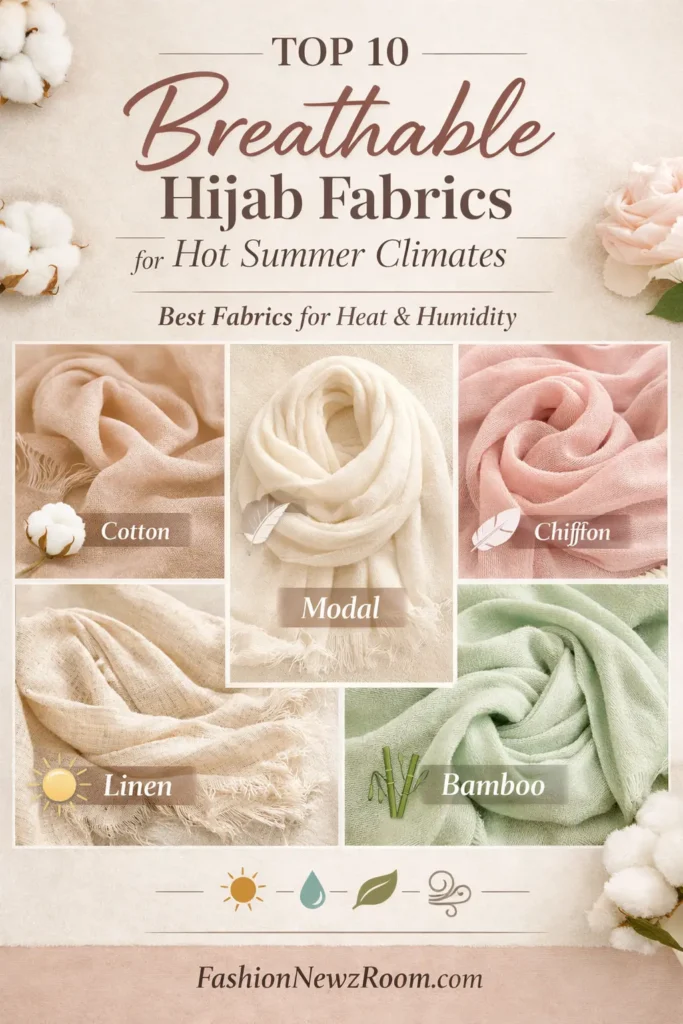
Top 10 Breathable Hijab Fabrics for Hot Summer Climates
Now let’s explore the best breathable hijab fabrics for summer and what makes each one special.
1. Cotton Hijab Fabric
Cotton is one of the most popular hijab fabrics for hot weather.
It’s soft, breathable, and highly absorbent.
Why Cotton Works in Summer
- Natural fiber allows airflow
- Absorbs sweat effectively
- Comfortable for everyday wear
A cotton hijab for summer works well for daily errands, office wear, and casual outings.
For women living in warm regions, cotton remains one of the best fabrics for daily hijab wear.
2. Modal Hijab Fabric
Modal Hijab is a semi-synthetic fabric made from beech tree pulp. It’s incredibly soft and breathable.
Modal Hijab Fabric Benefits
- Smooth texture
- Excellent airflow
- Lightweight feel
Many women prefer modal because it drapes beautifully while remaining cool. According to sustainable textile discussions on Good On You sustainable fashion research, modal also uses fewer chemicals compared to many synthetic fabrics.
3. Chiffon Hijab
Chiffon is known for its airy elegance.
Why Chiffon Works in Summer
- Extremely lightweight
- Elegant appearance
- Good airflow
A chiffon hijab for hot weather works well for formal outfits or semi-formal gatherings.
However, chiffon may require an undercap to prevent slipping.
4. Linen Hijab Fabric
Linen is widely recognized as one of the best hijab materials for hot climates.
Cooling Properties of Linen
- Exceptional breathability
- Natural cooling effect
- Durable natural fiber
A linen hijab for humid climates works particularly well because it allows moisture to evaporate quickly.
Fashion experts frequently highlight linen as a top summer modest wardrobe essential.
5. Bamboo Fabric Hijab
Bamboo fabric has gained popularity in sustainable fashion.
Bamboo Hijab Fabric Benefits
- Naturally breathable
- Moisture-wicking
- Anti-bacterial properties
Because bamboo fibers regulate temperature, they are excellent airy hijab fabrics for warm climates.
6. Cotton Voile Hijab
Cotton voile is a lighter variation of cotton.
Why Cotton Voile Is Perfect for Summer
- Ultra-thin weave
- Extremely breathable
- Soft and airy
A cotton voile hijab fabric feels almost weightless, making it ideal for tropical climates.
7. Lightweight Jersey Hijab
Jersey fabric offers stretch and flexibility.
Why Jersey Works
- Comfortable fit
- Easy styling
- Lightweight versions available
A lightweight jersey hijab is great for everyday wear and requires minimal pinning.
8. Viscose Hijab Fabric
Viscose is a breathable alternative to cotton with a smoother finish.
Viscose Benefits
- Soft texture
- Lightweight feel
- Good airflow
Many modern modest fashion brands use viscose for breathable headscarf fabric collections.
9. Georgette Hijab
Georgette is slightly heavier than chiffon but still breathable.
Advantages
- Elegant texture
- Better structure
- Good airflow
A georgette hijab works beautifully for summer events while maintaining comfort.
10. Silk Blend Hijab
Pure silk may feel delicate, but silk blends provide breathability and elegance.
Why Silk Blends Work
- Luxurious texture
- Natural temperature regulation
- Suitable for formal occasions
These scarves are perfect when you want style without sacrificing comfort.
Best Hijab Fabrics for Different Summer Climates
Not all summers feel the same.
Some regions experience dry heat, while others face intense humidity.
Choosing the right hijab fabrics for tropical climates depends on where you live.
Hijabs for Dry Heat
In dry climates, fabrics should allow maximum airflow.
Best options:
- Linen
- Cotton voile
- Bamboo
Hijabs for Humid Weather
Humidity increases sweating, so moisture-wicking fabrics help.
Best choices:
- Modal
- Bamboo
- Cotton
Hijabs for Tropical Climates
Tropical weather demands ultra-light materials.
Ideal fabrics include:
- Cotton voile
- Chiffon
- Viscose
Tips to Stay Cool While Wearing Hijab in Summer
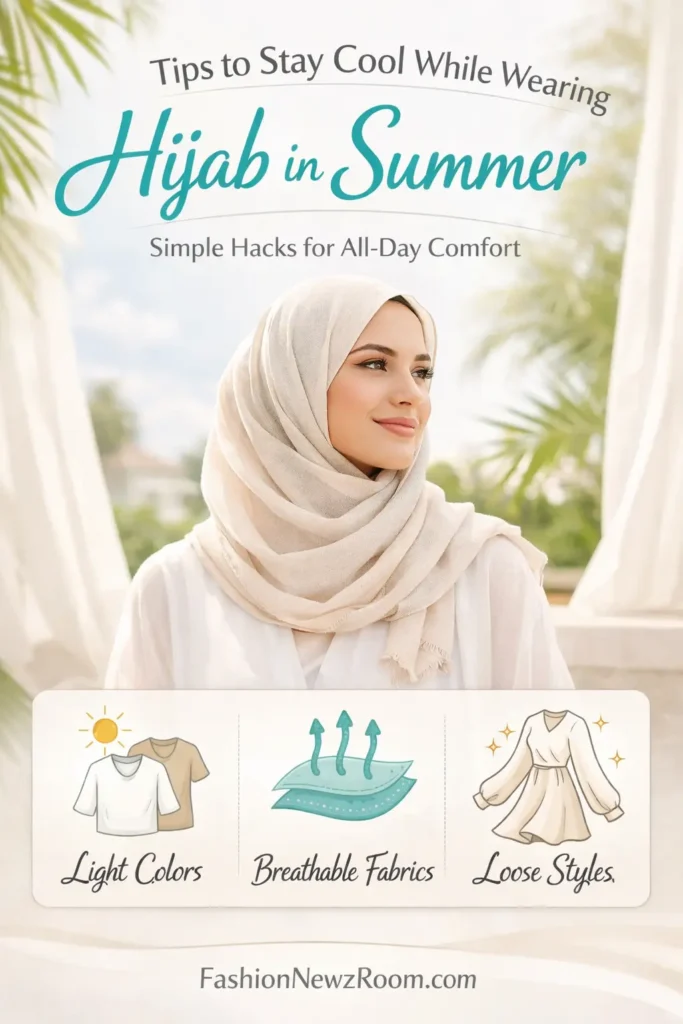
Even the best summer hijab fabrics work better when styled properly.
Here are a few simple tips.
Choose Light Colors
Light shades reflect sunlight instead of absorbing it.
Avoid Heavy Layering
Multiple scarf layers trap heat.
Use Breathable Undercaps
Opt for cotton undercaps to improve airflow.
Try Loose Styling
Loose wrapping allows better ventilation around the neck and scalp.
Common Fabrics to Avoid in Hot Weather
Not all materials are suitable for summer.
Avoid fabrics that trap heat and moisture.
Thick Polyester
Synthetic polyester blocks airflow.
Heavy Satin
Satin looks beautiful but often traps heat.
Dense Synthetic Blends
These fabrics may feel smooth but rarely allow airflow.
How to Care for Lightweight Hijab Fabrics
Proper care ensures your lightweight hijab materials stay fresh throughout the season.
Washing Tips
- Use cold water
- Choose gentle detergent
- Avoid harsh spinning cycles
Prevent Fabric Damage
Air drying works best for delicate fabrics like chiffon or modal.
Storage
Store scarves folded or loosely rolled to maintain shape.
Frequently Asked Questions
1. Which hijab fabric is best for hot weather?
Cotton, linen, and bamboo are widely considered the best hijab fabrics for hot weather. These materials allow excellent airflow and absorb moisture effectively, helping keep your scalp cool and dry. Their lightweight and breathable nature makes them ideal for long summer days, especially in humid or tropical climates.
2. Is cotton or chiffon better for summer hijabs?
Cotton is better for everyday comfort because it absorbs sweat and feels soft against the skin. Chiffon, on the other hand, is lighter and more elegant, making it perfect for formal occasions. For daily wear in heat, cotton is more practical, while chiffon works best for stylish, breathable layering.
3. What hijab fabric prevents sweating?
No fabric can completely stop sweating, but moisture-wicking materials like bamboo and modal significantly reduce sweat buildup. These fabrics absorb moisture and allow it to evaporate quickly, keeping your head cool. They are excellent choices for hot climates where staying dry and comfortable is a priority.
4. Are modal hijabs breathable?
Yes, modal hijabs are highly breathable and incredibly soft. Made from natural fibers, modal allows airflow while maintaining a smooth, lightweight feel. It drapes beautifully without trapping heat, making it one of the best options for summer wear, especially if you prefer comfort with a slightly luxurious touch.
Conclusion
Summer doesn’t have to mean discomfort.
By choosing the right breathable hijab fabrics for summer, you can stay cool while maintaining your personal style.
Natural fibers like cotton, linen, and bamboo provide excellent airflow, while lightweight materials like chiffon and modal add elegance without extra heat.
Ultimately, the best hijab material for hot climates depends on your environment, lifestyle, and styling preferences.
But with the right fabric, even the hottest days can feel surprisingly comfortable.
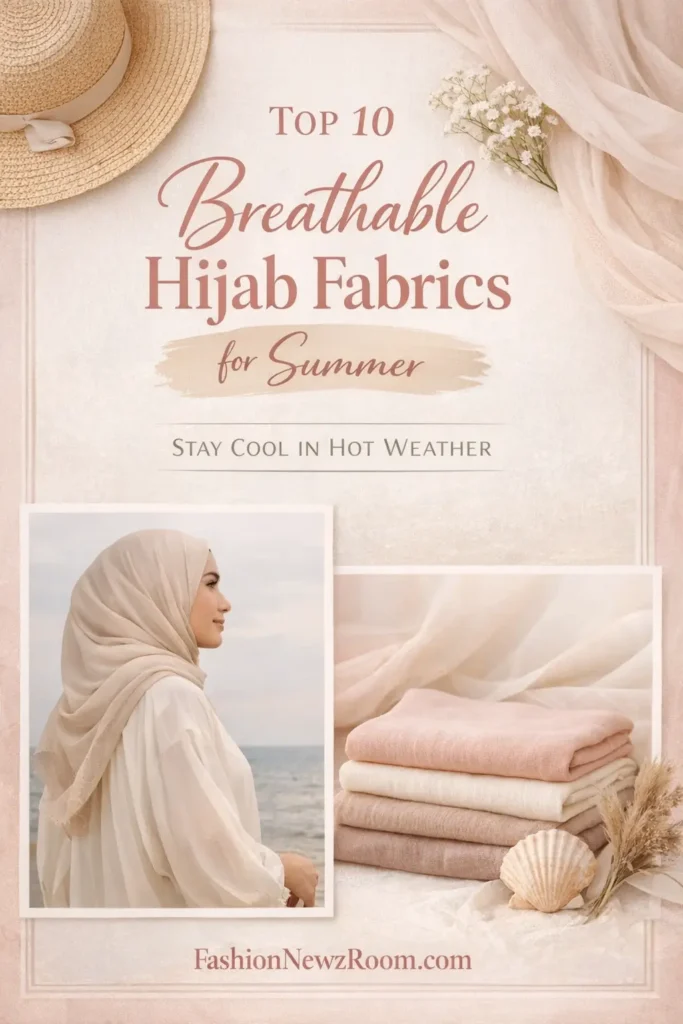
Found this helpful? Save it to your Pinterest board!


![Top 10 Athletic Shoes for Women [2025]: Comfort Meets Style](https://fashionnewzroom.com/wp-content/uploads/2025/04/Top-10-Athletic-Shoes-for-Women-2025.jpg "Top 10 Athletic Shoes for Women [2025]: Comfort Meets Style")