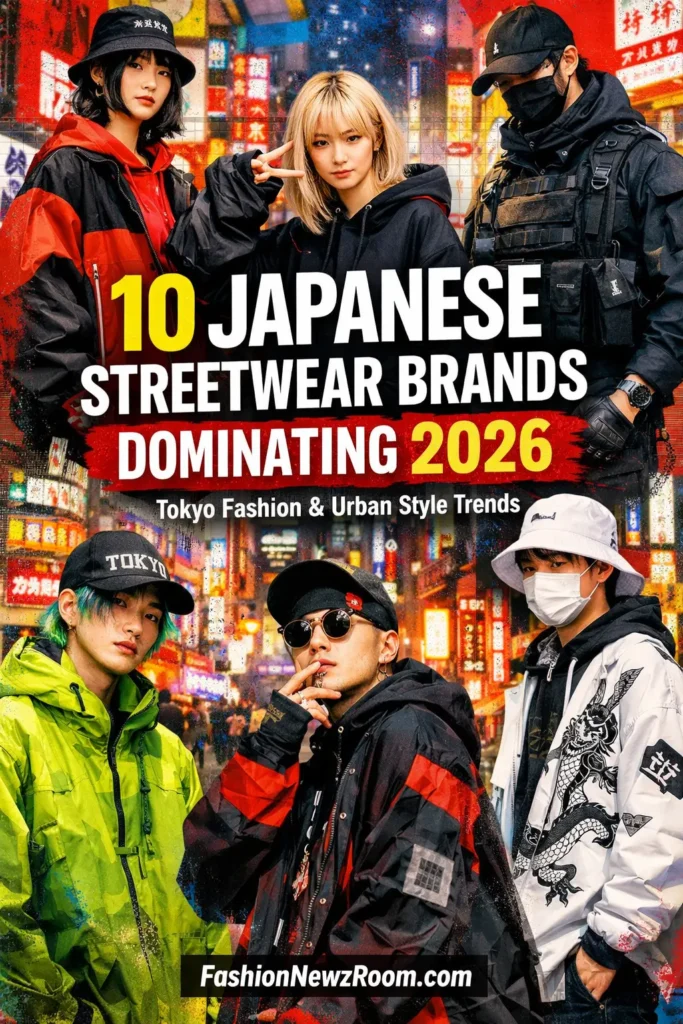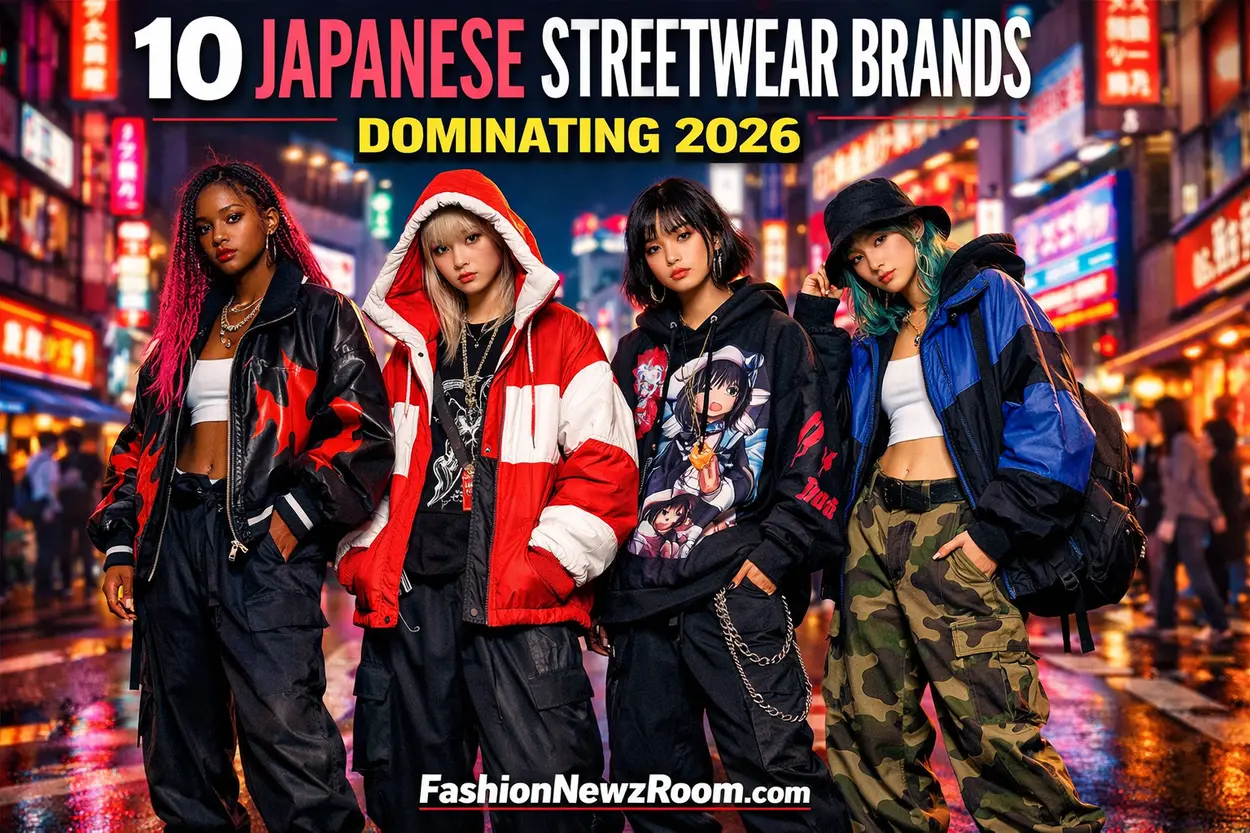
Japanese streetwear brands are shaping global fashion in 2026 with bold design, meticulous craftsmanship, and strong cultural roots. From iconic labels like A Bathing Ape and Comme des Garçons to innovative designers such as Sacai and Ambush, Japan’s streetwear scene blends luxury aesthetics with urban culture. Influenced by Tokyo’s Harajuku and Shibuya districts, these brands continue to lead global street fashion trends, combining oversized silhouettes, techwear elements, and vintage-inspired styles that resonate with modern fashion enthusiasts worldwide.
Key Takeaways
Table of Contents
- Japanese streetwear brands remain global trendsetters in 2026, influencing luxury fashion, youth culture, and sneaker communities.
- Tokyo neighborhoods like Harajuku and Shibuya drive global streetwear trends through experimental styling and youth culture.
- Legendary labels like A Bathing Ape, Undercover, and Comme des Garçons continue to dominate streetwear culture.
- Emerging designers are reshaping the modern Japanese street style movement with sustainability, techwear, and hybrid fashion.
- The fusion of craftsmanship, minimalism, and bold graphics keeps Japanese streetwear unique compared to Western brands.
Why Japanese Streetwear Continues to Lead Global Fashion
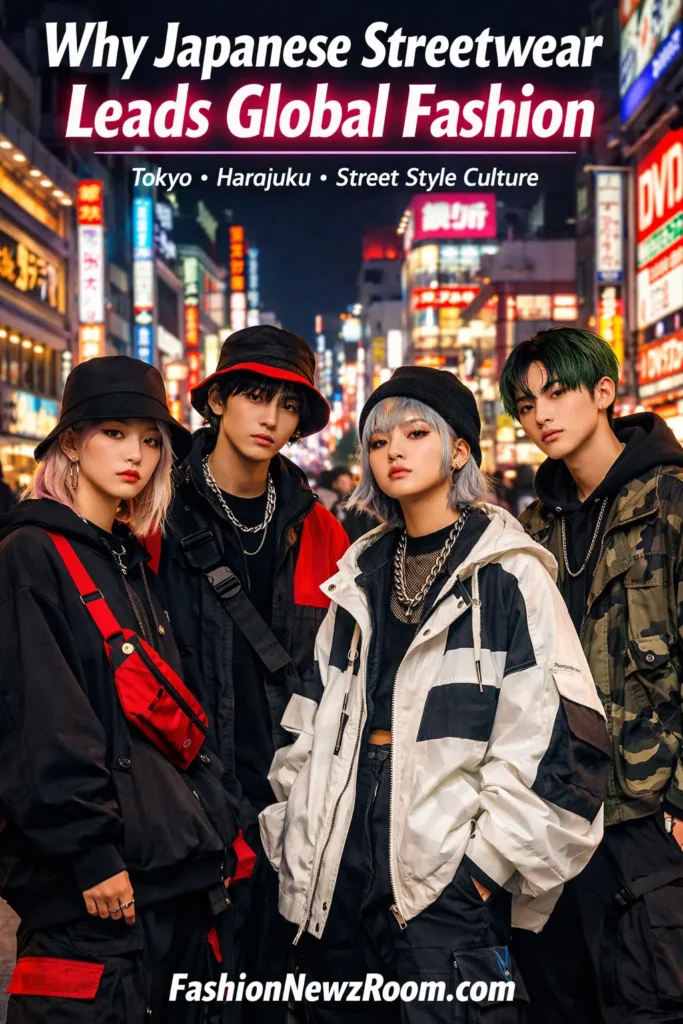
Japanese streetwear has never been just about clothes. It’s a cultural language. Walk through Tokyo’s Harajuku district and you’ll quickly notice that fashion here feels experimental, fearless, and deeply personal.
In many ways, Japan turned streetwear into an art form.
Fashion analysts from Vogue Business and The Business of Fashion frequently highlight Tokyo as one of the world’s most influential fashion capitals, particularly when it comes to youth-driven style movements.
So why does Japanese streetwear continue to dominate global fashion conversations in 2026?
Let’s unpack it.
The Influence of Tokyo’s Street Culture
Tokyo is the heartbeat of Japanese streetwear fashion.
Districts like Harajuku, Shibuya, and Daikanyama act as living runways where new trends are born before they spread across the globe.
According to insights shared by Hypebeast, Harajuku’s youth culture has influenced global street style since the late 1990s, inspiring Western designers and sneaker brands alike.
Street fashion photographers frequently document the area, capturing:
- layered outfits
- oversized silhouettes
- vintage military jackets
- experimental accessories
This constant experimentation keeps Tokyo streetwear fresh and unpredictable.
Japanese Craftsmanship Meets Urban Style
Another defining trait of Japanese streetwear brands is craftsmanship.
Japan has a long tradition of meticulous textile production. Even modern streetwear designers incorporate techniques rooted in heritage fashion.
Many labels prioritize:
- premium fabrics
- small-batch manufacturing
- intricate stitching
- natural dyeing techniques
Fashion publication Highsnobiety often highlights how Japanese designers blend traditional craftsmanship with modern urban aesthetics, creating clothing that feels both authentic and innovative.
This attention to detail is why many fashion enthusiasts consider Japanese brands among the best streetwear labels in the world.
Social Media and Global Hype Culture
Streetwear thrives on hype—and social media fuels that hype.
Platforms like Instagram, TikTok, and Pinterest have accelerated the visibility of Tokyo street fashion. Viral outfit posts, sneaker drops, and fashion influencer collaborations quickly turn niche labels into global sensations.
Celebrity endorsements have also played a huge role. Artists and athletes frequently wear Japanese streetwear brands, bringing them into mainstream culture.
In short, the digital era has allowed Tokyo’s underground fashion scene to reach audiences worldwide.
10 Japanese Streetwear Brands Dominating 2026
Now let’s explore the top Japanese streetwear brands shaping the global fashion landscape in 2026. These aren’t just labels—they’re cultural forces redefining how streetwear is perceived worldwide.
1. A Bathing Ape (BAPE)
Few brands symbolize Japanese streetwear culture like A Bathing Ape, often simply called BAPE.
Founded by Nigo in 1993, the brand quickly became a cornerstone of Tokyo’s underground fashion scene before exploding globally.
What makes BAPE stand out even today?
- distinctive camo patterns that feel instantly recognizable
- playful, almost cartoon-like graphic storytelling
- limited-edition drops that create hype and exclusivity
- early adoption of celebrity collaborations before it became mainstream
BAPE didn’t just follow streetwear culture—it helped invent hype culture. Long before “drops” became a marketing strategy, BAPE stores in Tokyo created lines around the block.
Its influence grew globally when artists like Pharrell Williams and Kanye West started wearing the brand, turning it into a status symbol.
In 2026, BAPE continues to dominate through:
- collaborations with global sneaker giants
- digital fashion integrations (NFT-inspired drops and gaming skins)
- strong resale value in the streetwear market
Website: https://bape.com
Social: Facebook | Instagram | Twitter | YouTube
2. Comme des Garçons
At first glance, Comme des Garçons may feel more like high fashion than streetwear—but that’s exactly why it’s so influential.
Founded by Rei Kawakubo, the brand broke every traditional fashion rule.
Instead of following trends, it created its own visual language:
- asymmetrical cuts
- deconstructed silhouettes
- monochromatic palettes with unexpected textures
So how does it fit into streetwear?
The answer lies in its accessibility lines and collaborations:
- CDG Play’s heart logo became a global streetwear icon
- partnerships with Nike, Converse, and Supreme bridged luxury and street culture
- Dover Street Market retail concept reshaped how streetwear is sold
Comme des Garçons proves that streetwear doesn’t have to be loud—it can be intellectual, subtle, and deeply artistic.
Website: https://www.comme-des-garcons.com/
Social: Instagram | Twitter | | Pinterest
3. Undercover
Founded by Jun Takahashi, Undercover sits at the intersection of punk rebellion and refined craftsmanship.
The brand’s philosophy?
“Chaos and balance.”
Undercover stands out for:
- storytelling-driven collections (often inspired by music, films, or subcultures)
- dark, edgy aesthetics with emotional depth
- runway shows that feel more like art installations
In recent years, Undercover has expanded its global reach through:
- collaborations with Nike and Uniqlo
- strong presence in Paris Fashion Week
- cult following among collectors and fashion insiders
It’s not just clothing—it’s wearable ideology.
Website: https://undercoverism.com/
Social: Facebook | Instagram | Twitter
4. WTAPS
WTAPS is the quiet powerhouse of Japanese streetwear.
Founded by Tetsu Nishiyama, the brand focuses on functionality over flash.
Key elements include:
- military-grade design inspiration
- muted, earthy color palettes
- durable, long-lasting construction
What makes WTAPS unique in 2026?
- its resistance to hype-driven marketing
- focus on authenticity rather than trends
- strong appeal among mature streetwear audiences
WTAPS represents a shift in streetwear—from loud branding to subtle sophistication.
Website: https://wtaps.com/
5. Neighborhood
Neighborhood blends Tokyo streetwear with American biker culture.
Founded by Shinsuke Takizawa, the brand channels rebellion through craftsmanship.
Signature DNA includes:
- heavy-duty leather jackets
- distressed denim with vintage appeal
- bold graphics inspired by motorcycle culture
In 2026, Neighborhood thrives through:
- collaborations with brands like Adidas and Supreme
- strong presence in global streetwear communities
- appeal among both bikers and fashion enthusiasts
It’s rugged, raw, and unapologetically bold.
Website: https://www.neighborhood.jp/
Social: Facebook | Instagram | Vimeo
6. Kapital
Kapital feels like a story stitched into fabric.
Instead of chasing trends, the brand focuses on heritage and artistry.
What sets Kapital apart?
- intricate patchwork denim that looks handcrafted
- use of traditional Japanese dyeing techniques (like indigo)
- playful yet meaningful design elements
Kapital’s pieces often feel like one-of-a-kind creations.
In 2026, it continues to grow as:
- a cult favorite among fashion collectors
- a symbol of slow fashion in a fast-fashion world
- a bridge between vintage Americana and Japanese tradition
Website: https://www.kapital.jp/
7. Visvim
Visvim represents the luxury side of Japanese streetwear.
Founded by Hiroki Nakamura, the brand emphasizes timelessness over trends.
What makes Visvim exceptional?
- handcrafted garments using traditional techniques
- premium materials sourced globally
- minimal branding with maximum quality
Unlike hype-driven brands, Visvim pieces are designed to age beautifully.
Fashion insiders often describe it as:
“Streetwear for those who value craftsmanship over logos.”
Website: https://www.visvim.tv/
8. Sacai
Sacai, led by Chitose Abe, is known for redefining how garments are constructed.
The brand thrives on unexpected combinations:
- jackets that blend multiple silhouettes
- hybrid garments that challenge traditional categories
- innovative fabric layering
Sacai’s global success comes from:
- collaborations with Nike, Dior, and Louis Vuitton
- strong runway presence
- ability to merge streetwear with luxury seamlessly
In 2026, Sacai represents the future of experimental fashion design.
Website: https://www.sacai.jp/
9. Human Made
After BAPE, Nigo returned with a new vision—Human Made.
This brand feels more personal, more nostalgic.
Key highlights:
- vintage-inspired graphics rooted in Americana culture
- high-quality basics with subtle storytelling
- emphasis on craftsmanship rather than hype
Human Made stands out because it doesn’t try to be “trendy.”
Instead, it focuses on timeless cool.
Collaborations with global artists and brands keep it relevant without losing authenticity.
Website: https://www.humanmade.jp/
Social: Instagram
10. Ambush Design
Founded by Yoon Ahn, Ambush represents the new wave of Japanese street style.
Originally a jewelry brand, it evolved into a full-fledged fashion powerhouse.
What makes Ambush unique?
- bold, futuristic designs
- strong influence from Tokyo nightlife and youth culture
- gender-fluid approach to fashion
Ambush has gained global recognition through:
- celebrity endorsements from Rihanna and A$AP Rocky
- collaborations with Nike and luxury houses
- presence in Paris Fashion Week
In 2026, Ambush stands at the intersection of streetwear, luxury, and future fashion.
Website: https://www.ambushdesign.com/
Social: Instagram
Emerging Japanese Streetwear Brands to Watch
While established brands dominate headlines, a new generation of designers is reshaping the Tokyo fashion scene.
Rising labels often experiment with:
- sustainable fabrics
- digital fashion concepts
- gender-neutral silhouettes
Tokyo’s underground fashion community continues to push creative boundaries, ensuring that Japanese streetwear remains dynamic and unpredictable.
Key Trends Defining Japanese Streetwear in 2026
Oversized Silhouettes and Layering
Baggy clothing and layered outfits remain essential elements of Tokyo street fashion.
Designers frequently combine:
- oversized jackets
- long shirts
- wide-leg trousers
This layered styling adds depth and personality to everyday outfits.
Luxury Streetwear and Premium Fabrics
The line between streetwear and luxury fashion continues to blur.
Brands like Visvim and Sacai show that streetwear can incorporate premium fabrics and high-end craftsmanship.
Vintage and Workwear Influence
Japanese designers frequently reinterpret vintage clothing.
Workwear jackets, denim overalls, and military pants have become staples of modern Japanese street style.
Techwear and Futuristic Designs
Technology-inspired fashion is gaining popularity.
Techwear brands emphasize:
- waterproof materials
- functional pockets
- futuristic silhouettes
These designs reflect Tokyo’s futuristic urban landscape.
How to Style Japanese Streetwear in 2026
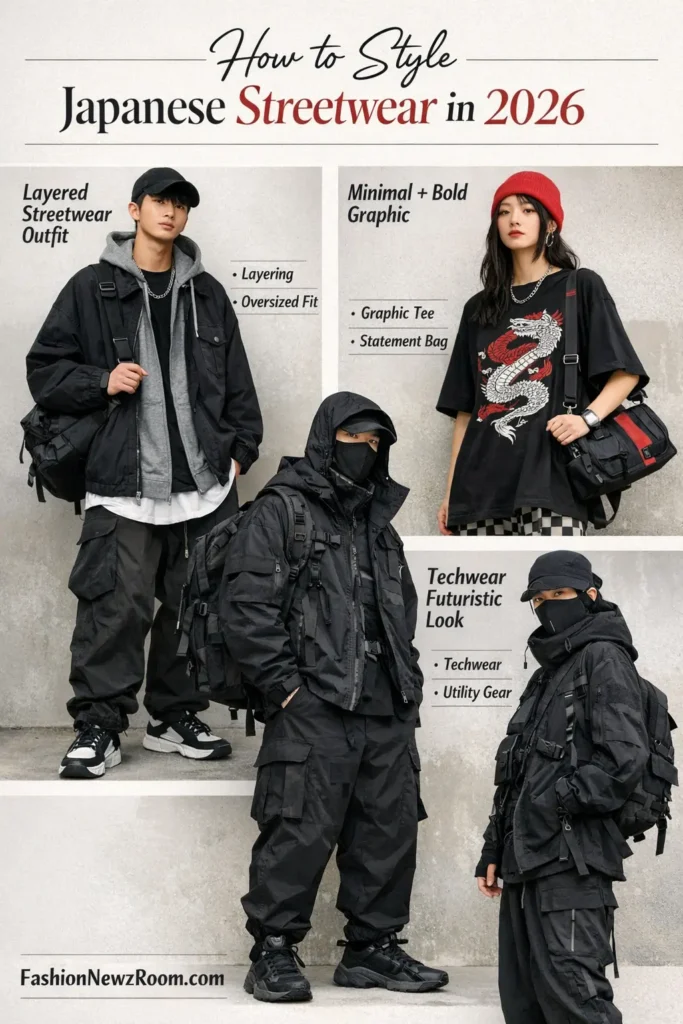
Want to incorporate Japanese streetwear into your wardrobe?
Here are a few practical tips.
Embrace Layering
Start with a basic outfit and gradually add layers.
For example:
- oversized hoodie
- longline shirt
- wide trousers
Layering creates visual depth.
Mix Minimalism with Bold Graphics
Japanese streetwear often combines minimal pieces with statement items.
Example outfit:
- neutral jacket
- graphic tee
- classic sneakers
Experiment with Accessories
Tokyo street style frequently includes accessories like:
- crossbody bags
- bucket hats
- statement jewelry
Small details can elevate an entire outfit.
Where to Buy Authentic Japanese Streetwear
Finding authentic Japanese streetwear is easier than ever thanks to global retailers.
Trusted sources include:
- END Clothing
- SSENSE
- Dover Street Market
Fashion experts from Highsnobiety recommend purchasing from authorized retailers to avoid counterfeit products.
Why Japanese Streetwear Will Continue Dominating Global Fashion
Japanese designers possess a rare combination of creativity, craftsmanship, and cultural awareness.
They aren’t afraid to experiment.
More importantly, they respect tradition while embracing innovation.
Collaborations between Japanese labels and global luxury houses are becoming increasingly common.
This cultural exchange ensures that Japanese streetwear remains one of the most exciting forces in modern fashion.
Conclusion
Japanese streetwear brands have shaped global fashion for decades—and their influence shows no signs of slowing down in 2026.
From legendary labels like BAPE and Comme des Garçons to innovative designers such as Sacai and Ambush, Tokyo’s street fashion scene continues to inspire the world.
Whether you’re a fashion enthusiast, designer, or simply someone who loves expressive clothing, Japanese streetwear offers endless inspiration.
And if history is any indicator, the next big global fashion trend might already be walking through the streets of Harajuku.
FAQ
1. What are the most popular Japanese streetwear brands?
Some of the most popular Japanese streetwear brands include BAPE, Comme des Garçons, Undercover, Human Made, and Sacai. These labels are known for their bold designs, innovative silhouettes, and global influence. They consistently collaborate with international brands, helping shape modern streetwear culture across fashion capitals worldwide.
2. Why is Japanese streetwear so influential?
Japanese streetwear is influential because it combines deep-rooted craftsmanship with modern urban aesthetics. Designers experiment with silhouettes, fabrics, and storytelling, creating fashion that feels both artistic and wearable. The influence of Tokyo’s youth culture and global exposure through social media has further amplified its impact worldwide.
3. Which city is the center of Japanese street fashion?
Tokyo is the epicenter of Japanese street fashion, particularly neighborhoods like Harajuku and Shibuya. These areas act as cultural hotspots where trends emerge organically from youth expression. Street style in Tokyo often inspires global fashion designers, photographers, and influencers looking for fresh and unconventional ideas.
4. What makes Japanese streetwear unique?
Japanese streetwear stands out for its attention to detail, high-quality materials, and fearless creativity. Designers often merge traditional techniques with modern street aesthetics, resulting in distinctive pieces. The strong cultural identity and emphasis on individuality make it different from Western streetwear, which often leans more toward commercial trends.
5. What are the best Japanese streetwear brands to watch in 2026?
In 2026, brands like Ambush, Kapital, Visvim, and WTAPS are gaining strong global attention alongside established names. These labels are pushing boundaries with innovative designs, sustainable materials, and hybrid fashion concepts, making them essential to watch for anyone interested in modern Japanese streetwear trends.
6. Are Japanese streetwear brands considered luxury?
Some Japanese streetwear brands, such as Visvim and Sacai, are often categorized as luxury due to their premium materials, craftsmanship, and higher price points. While not all brands fall into this category, many blur the line between streetwear and luxury fashion through quality and design innovation.
7. How is Japanese streetwear different from American streetwear?
Japanese streetwear focuses more on craftsmanship, detail, and artistic expression, while American streetwear often emphasizes branding, logos, and hype culture. Japanese designers tend to experiment more with textures, layering, and silhouettes, creating a more refined and concept-driven aesthetic compared to mainstream Western styles.
8. Where can I buy authentic Japanese streetwear online?
Authentic Japanese streetwear can be purchased from trusted retailers like SSENSE, END Clothing, and Dover Street Market. Buying from official brand websites or authorized stores helps ensure product authenticity and quality, especially since counterfeit streetwear is common in the global market.
9. What are the latest Japanese streetwear trends in 2026?
Key trends in 2026 include oversized silhouettes, layered outfits, techwear elements, and vintage-inspired designs. Japanese streetwear continues to blend functionality with style, incorporating premium fabrics and futuristic aesthetics that reflect Tokyo’s fast-evolving urban culture.
10. Is Japanese streetwear suitable for everyday wear?
Yes, Japanese streetwear can be styled for everyday wear by balancing statement pieces with basics. While some designs are bold and experimental, many brands offer versatile items like hoodies, jackets, and trousers that can easily fit into casual, daily outfits without feeling over-the-top.
Found this helpful? Save it to your Pinterest board!