Rental fashion is revolutionizing the way we think about our wardrobes, offering a sustainable, cost-effective, and exciting alternative to traditional shopping. Imagine having access to an endless closet of designer pieces, trendy outfits, and special occasion wear without the commitment of ownership—this is the power of rental fashion. As consumers increasingly prioritize sustainability and experiences over accumulation, the rental model has emerged as a game-changer, blending style with conscience. From reducing textile waste to democratizing high fashion, rental services are reshaping the industry one garment at a time. Whether you’re a fashion enthusiast or a casual dresser, understanding this trend is key to navigating the future of fashion .
1 What Exactly Is Rental Fashion?
Table of Contents
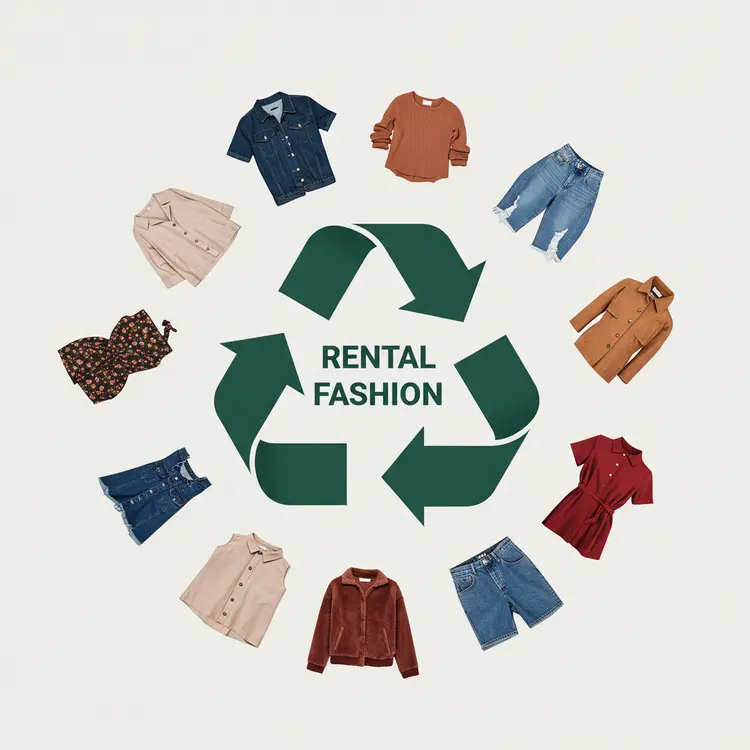
What is rental fashion? At its core, it’s a business model that allows consumers to borrow clothing and accessories for a limited period instead of purchasing them outright. This concept spans various formats, including subscription services, peer-to-peer platforms, and occasion-based rentals. For example, subscription models like Rent the Runway offer monthly plans where users can rotate their wardrobe with designer pieces, while peer-to-peer platforms such as Tulerie enable individuals to rent directly from each other. The idea isn’t entirely new—think of traditional tuxedo rentals for weddings or costume shops for parties—but modern technology has scaled it into a sophisticated industry. Today, rental fashion encompasses everything from everyday casual wear to high-end luxury items, making it accessible to a broad audience. This model aligns perfectly with the growing desire for variety and sustainability, as it promotes reuse and reduces the environmental impact of fashion production. By prioritizing access over ownership, rental fashion challenges the very notion of what it means to be stylish .
2 The Evolution and Growth of Rental Fashion
The rental fashion industry has undergone a remarkable transformation, evolving from a niche service to a mainstream phenomenon. Historically, rentals were limited to special occasions like proms or weddings, but today, they cover everyday wear, work attire, and even athletic gear. The market’s growth has been staggering: valued at $1.12 billion in 2021, it’s projected to reach $2.86 billion by 2029, with a compound annual growth rate (CAGR) of 10.7% . This surge is driven by several factors, including rising environmental awareness, the influence of digital platforms, and shifting consumer attitudes toward ownership. Millennials and Gen Z, in particular, are embracing rental fashion as part of their sustainable lifestyles, preferring experiences over possessions. The COVID-19 pandemic also played a role, accelerating the shift to online shopping and subscription services. Brands have responded by expanding their offerings, integrating technology like AI for personalized recommendations, and partnering with designers to exclusive collections. As the industry matures, it’s becoming more diverse and inclusive, catering to all genders, ages, and style preferences. This evolution reflects a broader cultural shift towards circular economy principles, where sharing and reusing are valued over linear consumption .
3 How Rental Fashion Works: The Mechanics Behind the Model
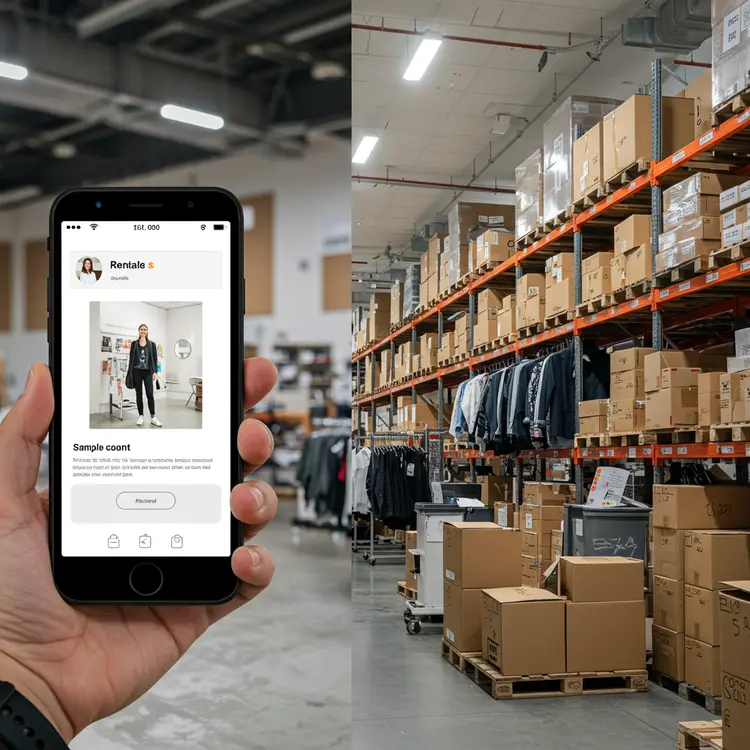
Understanding how rental fashion works is key to appreciating its appeal. Most services operate through a straightforward process: users sign up on a platform, browse inventory, select items, and receive them via mail. After wearing the pieces, they return them using prepaid shipping labels. Subscription models, like those offered by rental fashion companies such as Nuuly or Rent the Runway, allow users to borrow a set number of items per month for a flat fee. For instance, Nuuly charges $98 monthly for six items, while Rent the Runway offers tiers ranging from $94 to $164 monthly . Peer-to-peer platforms, like Tulerie, function differently—users rent directly from others, often at lower costs and without subscription commitments. Behind the scenes, logistics play a crucial role; companies manage inventory, cleaning, and repairs to ensure quality and hygiene. Advanced technologies, including AI and data analytics, help personalize recommendations and optimize inventory management. For example, algorithms analyze user preferences to suggest items that match their style, reducing decision fatigue. Additionally, many platforms offer insurance options for damage or loss, easing consumer concerns. This seamless blend of convenience, technology, and sustainability makes rental fashion an attractive alternative to traditional retail .
4 The Benefits of Rental Fashion: Why It’s a Win-Win
Rental fashion offers a multitude of benefits for consumers, the environment, and the fashion industry as a whole. Firstly, it’s incredibly cost-effective, allowing users to wear designer pieces or trendy items at a fraction of the retail price. For example, a dress that costs $500 to buy might be rented for just $50, making high fashion accessible to a broader audience. Secondly, it’s a sustainable choice; the fashion industry is notorious for its environmental impact, contributing to 10% of global carbon emissions. Rental fashion promotes circularity by extending the life of garments and reducing waste. Studies show that renting clothes can lower carbon footprints by up to 24% compared to buying new . Thirdly, it offers unparalleled variety and flexibility. Users can refresh their wardrobe regularly without clutter, experiment with new styles risk-free, and avoid the guilt of single-use outfits for events. For busy professionals, students, or fashion enthusiasts, this model saves time, money, and space. Lastly, rental fashion fosters a sense of community and consciousness. Platforms like The Nu Wardrobe encourage sharing and collaboration, aligning with broader societal shifts towards mindful consumption. By choosing rental, consumers aren’t just making a style statement—they’re advocating for a more ethical and sustainable future .
5 Leading Rental Fashion Companies and Brands
The rental fashion landscape is dominated by innovative companies that have carved out unique niches in the market. Rent the Runway is arguably the pioneer, offering a vast inventory of designer labels like Anna October and Ulla Johnson. With plans starting at $94 monthly, it caters to fashion-forward consumers seeking variety and luxury . Nuuly, another major player, focuses on trendy, accessible brands from its parent company URBN (which owns Anthropologie and Free People). Its subscription model allows six items monthly for $98, appealing to millennials and Gen Z . For those interested in peer-to-peer rentals, Tulerie stands out by enabling users to borrow directly from others, creating a community-driven experience without subscription fees. Other notable services include Armoire, which targets professionals with curated workwear, and Vivrelle, which specializes in luxury handbags and jewelry. In the rental fashion UK scene, platforms like HURR Collective and MyWardrobeHQ are gaining traction, offering designer rentals for occasions and everyday wear. Additionally, rental fashion brands are expanding their reach; for example, MatchesFashion launched a luxury rental service in 2022, emphasizing sustainability and exclusivity . These companies are continuously innovating—using AI for personalization, expanding size inclusivity, and partnering with eco-conscious designers to enhance their offerings. Their success underscores the growing demand for flexible, responsible fashion consumption .
6 Rental Fashion in the UK: A Growing Hub
The rental fashion UK market is thriving, driven by a combination of environmental consciousness and a strong fashion culture. The UK has emerged as a key hub for rental services, with London leading the charge as a fashion-forward city. Brands like HURR Collective and MyWardrobeHQ have gained popularity by offering designer rentals for occasions, workwear, and everyday style. HURR, for instance, partners with luxury brands and influencers to create a seamless rental experience, while MyWardrobeHQ emphasizes circularity through its resale and rental options. The UK’s focus on sustainability is a significant driver; according to a 2023 study, nearly 58% of British consumers are willing to rent clothes to reduce their environmental impact . This aligns with broader European trends, where the circular economy is prioritized. Additionally, the UK market is supported by a robust logistics network, making deliveries and returns efficient. Events like London Fashion Week have also embraced rental, with designers and attendees showcasing rented outfits to promote sustainability. For consumers, this means access to a diverse range of styles—from high-street trends to haute couture—without the commitment of ownership. As the market grows, rental fashion brands in the UK are expanding their services to include personalized styling, insurance options, and loyalty programs, enhancing the overall customer experience .
7 Addressing Common Concerns and Challenges
Despite its many benefits, rental fashion faces several challenges that need addressing. One major concern is hygiene—consumers worry about wearing clothes that others have used. Reputable companies mitigate this by implementing strict cleaning protocols, often using eco-friendly sanitization methods between rentals. For instance, Rent the Runway employs professional cleaning processes that meet health standards, ensuring items are fresh and safe . Another issue is logistics; managing inventory, shipping, and returns can be complex and costly. Companies are investing in advanced logistics solutions to streamline operations and reduce delays. Additionally, some users find it challenging to navigate subscription models or peer-to-peer platforms, leading to calls for better user education and support. There’s also the risk of damage or loss; most services offer insurance plans to cover these scenarios, but terms vary. From a sustainability perspective, critics note that transportation emissions from shipping rentals can offset some environmental benefits. However, studies show that the overall impact is still lower than that of fast fashion production . Finally, cultural barriers exist—some consumers remain attached to ownership as a status symbol. Overcoming these hurdles requires transparency, education, and continuous innovation. As the industry evolves, companies are actively addressing these concerns to build trust and make rental fashion a viable long-term option .
8 The Future of Rental Fashion: Trends to Watch
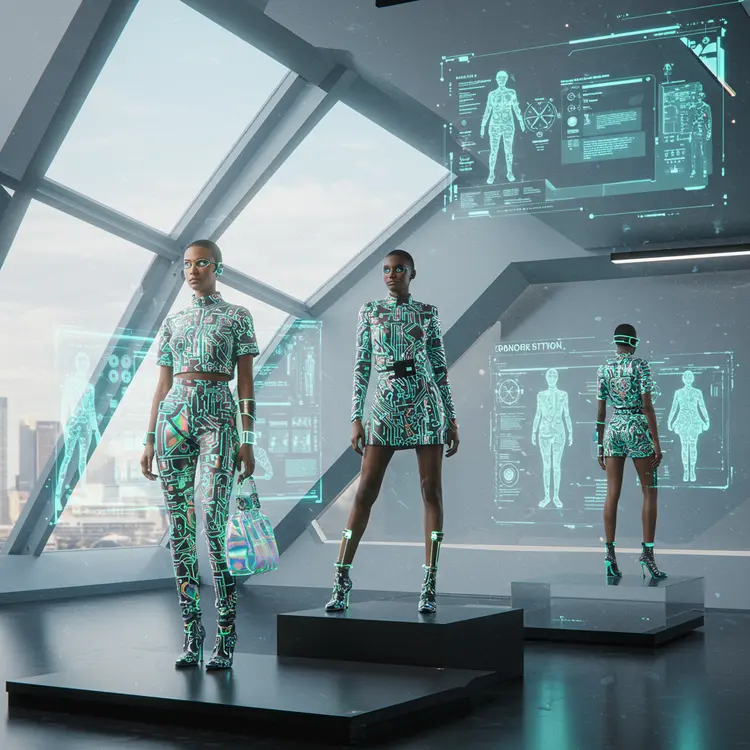
The future of rental fashion is bright, with several trends poised to shape its trajectory. Technology will play a pivotal role; augmented reality (AR) and virtual try-ons are becoming standard features, allowing users to visualize how clothes will look before renting. AI-driven personalization will also advance, offering curated recommendations based on individual style preferences and past behavior. Sustainability innovations are another key trend; companies are exploring biodegradable packaging, carbon-neutral shipping, and partnerships with eco-conscious designers to enhance their green credentials. The market is expected to expand beyond clothing into accessories, jewelry, and even footwear, providing a comprehensive rental solution. In terms of demographics, rental fashion will increasingly cater to men and children, segments that are currently underserved. The rental fashion UK market, for example, is projected to grow at a CAGR of 8.5% through 2033, reflecting global expansion . Additionally, the rise of circular fashion ecosystems—where rental, resale, and repair integrate—will create a more holistic approach to consumption. As consumers become more mindful of their fashion footprint, rental services will evolve to offer greater flexibility, inclusivity, and convenience. The line between ownership and access will blur further, fundamentally changing how we define and engage with fashion .
9 How to Get Started with Rental Fashion
Embarking on your rental fashion journey is easier than ever. First, identify your needs: Are you looking for occasional pieces, everyday wear, or luxury items? Research platforms that align with your goals; for example, Rent from Runway is ideal for designer rentals, while Tulerie offers peer-to-peer options. Sign up for a trial or introductory plan to test the service—many companies offer discounts for first-time users. When browsing, pay attention to size guides, availability, and rental terms to avoid surprises. To make the most of your experience, plan ahead; popular items book quickly, especially during peak seasons like holidays or wedding months. Embrace the flexibility; use rental fashion to experiment with trends you’re unsure about investing in permanently. For those in the UK, explore local options like HURR Collective for region-specific offerings. Finally, share your experiences with friends or on social media to build community and promote sustainable fashion. Remember, rental fashion isn’t just about saving money—it’s about participating in a movement that values creativity, sustainability, and innovation. By borrowing instead of buying, you’re contributing to a brighter future for fashion .
Conclusion
Rental fashion is more than a passing trend—it’s a transformative shift towards a more sustainable, flexible, and exciting way of engaging with style. By prioritizing access over ownership, consumers can enjoy endless variety without the environmental guilt or financial burden. As the industry continues to grow and innovate, it promises to redefine fashion for generations to come. So why own when you can borrow? Embrace the revolution and discover the freedom of rental fashion today.