
Remember the days of choosing between trekking to the mall or browsing online? That binary choice is rapidly fading into retail history. Welcome to the future of shopping, a dynamic landscape where the lines between physical and digital dissolve, creating a fluid, personalized, and utterly seamless customer journey. By 2025, shopping won’t be defined by where you are, but by how effortlessly the experience adapts to who you are and what you need in that precise moment. Imagine starting a product search on your phone during your commute, virtually trying it on via AR at home, getting personalized recommendations sent to your smartwatch, and then walking into a store where the item is already waiting, with complementary accessories suggested based on your past preferences. This isn’t science fiction; it’s the emerging reality of omnichannel experiences, driven by relentless technological advancement and evolving consumer expectations demanding unparalleled convenience, personalization, and immediacy. Buckle up, because the way we discover, evaluate, purchase, and receive goods is undergoing its most radical transformation yet.
The Evolution of Retail: From Brick-and-Mortar to Omnichannel
Table of Contents
The journey to today’s retail landscape is a story of constant adaptation. It began with the dominance of brick-and-mortar – the local shop, the bustling department store, the mall as a social hub (remember the buzz around places like the now-defunct futureshop ca?). Then came the seismic shift: e-commerce. Suddenly, we could shop from our couches, anytime, with seemingly endless choice. But this wasn’t the endpoint; it was just a phase. The “clicks vs. bricks” war proved counterproductive. Savvy retailers realized customers didn’t want either/or; they wanted both/and. They craved the tactile experience, instant gratification, and human interaction of physical stores combined with the convenience, vast selection, and information depth of online. This realization birthed the multichannel approach – having multiple avenues (website, app, physical store) to reach customers. However, multichannel often meant siloed operations, leading to frustrating inconsistencies in pricing, inventory, and service. The true breakthrough, the future of retail shopping, is omnichannel. It transcends simply having multiple channels; it’s about creating one unified, cohesive customer experience across all touchpoints. Your cart, preferences, loyalty points, and service history are synchronized whether you’re online, on an app, using a kiosk, or talking to an associate in a store future. It’s retail designed around the customer’s life, not the retailer’s operational convenience.
What Exactly is Omnichannel Shopping?
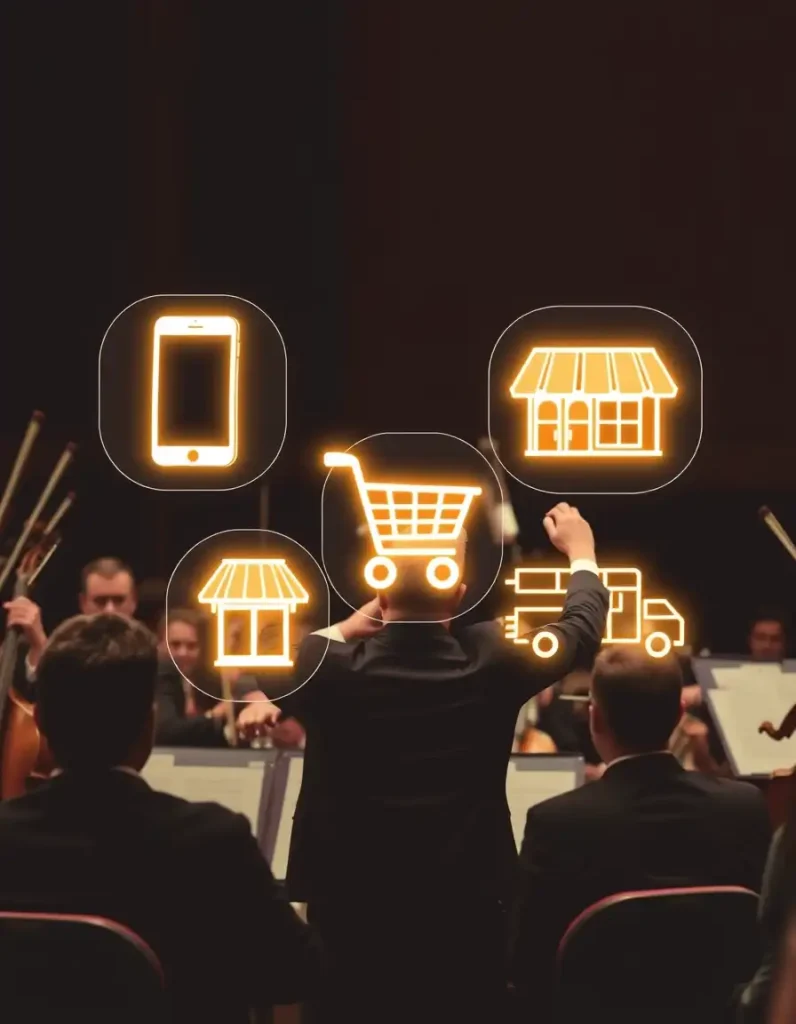
So, what makes omnichannel fundamentally different? Think of it like a symphony. In multichannel, you have different instruments playing different tunes independently – the violin (online store) might be playing Beethoven while the trumpet (physical store) is blasting jazz. It’s disjointed. Omnichannel is the conductor ensuring every instrument plays in perfect harmony from the same sheet music. The customer is the composer. It means:
Seamless Continuity: Starting a product search on your phone and finishing the purchase on your laptop or in-store without restarting.
Unified Inventory: Knowing real-time stock levels across all locations (warehouse, store, partner) so you can reliably “buy online, pick up in store” (BOPIS) or see if an item is at your local future store near me.
Consistent Personalization: Receiving relevant recommendations and offers based on your entire interaction history, whether online browsing or in-store purchases, not just isolated channel activity.
Frictionless Service: Returning an online purchase effortlessly at a physical store, or an in-store associate accessing your online wishlist to offer suggestions. It’s about removing the seams that customers feel. The store future isn’t just a point of sale; it’s a fulfillment hub, a showroom, and a service center deeply integrated with the digital ecosystem. This holistic approach is what defines trending retail in 2025, moving far beyond the fragmented experiences of the past.
The Pillars of Omnichannel Success in 2025
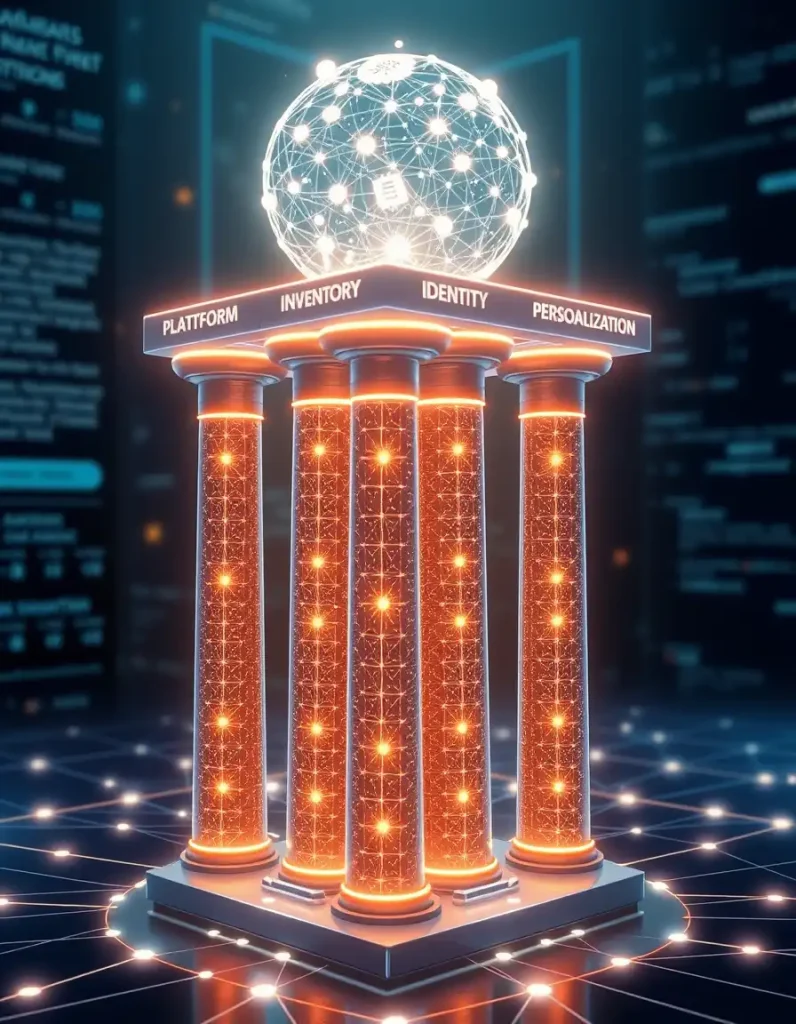
Achieving true omnichannel excellence by 2025 rests on several critical, interconnected pillars:
Unified Commerce Platform: The technological backbone. This integrates POS, e-commerce, inventory management, CRM, order management, and analytics into a single, real-time system. No more data silos. When a customer checks stock online, it reflects the actual inventory in the warehouse or the future store near me. When they buy online for in-store pickup, the system instantly routes the order and updates stock counts across all channels.
Real-Time Inventory Visibility & Fulfillment Flexibility: Customers demand accuracy and choice. They expect to see if an item is available for immediate pickup locally, for same-day delivery, or for standard shipping – all in real-time. This requires sophisticated inventory tracking and flexible fulfillment options like BOPIS, curbside pickup, ship-from-store (turning local stores into micro-fulfillment centers), and increasingly rapid delivery partnerships. Giants like Costco Future Stores are heavily investing in optimizing these logistics.
Seamless Customer Identity & Data Integration: Recognizing the customer across every touchpoint (with consent) is paramount. This means linking online browsing behavior, app usage, loyalty program activity, and in-store purchases (via apps, payment methods, or associate input) to build a single customer view. This fuels the next pillar.
Hyper-Personalization: Leveraging the unified customer view and AI to deliver truly individualized experiences. This goes beyond “Customers who bought this…” to anticipate needs, offer relevant promotions at the right moment, personalize website/app interfaces, and empower store associates with customer insights to provide exceptional service. It’s the key to moving from being a retailer to being a trusted advisor in the future of retail shopping.
Technology Driving the Change: AI, AR, IoT, and Beyond
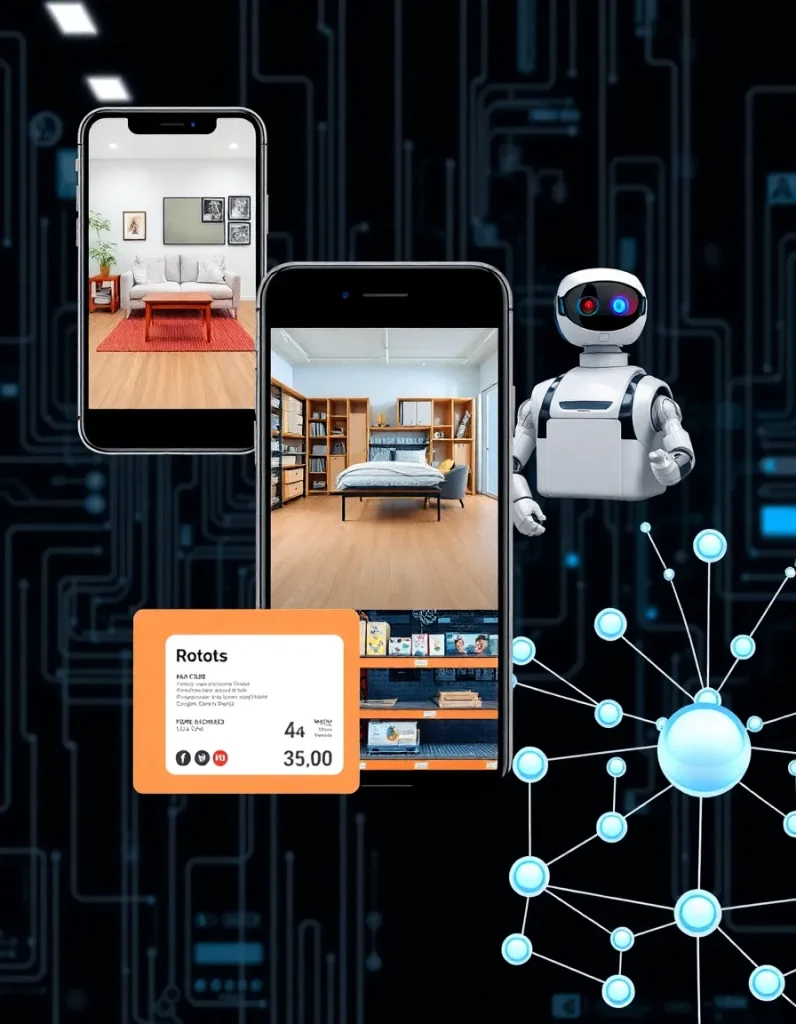
The omnichannel vision is powered by an arsenal of rapidly maturing technologies:
Artificial Intelligence (AI) & Machine Learning (ML): The brains of the operation. AI analyzes vast amounts of customer data for hyper-personalization (product recommendations, dynamic pricing, personalized marketing). ML optimizes inventory forecasting, demand planning, and delivery routes. AI-powered chatbots and virtual assistants provide 24/7 customer service, handling routine queries and escalating complex issues. It’s fundamental to making sense of the data deluge and automating processes efficiently. (Hyperlink: McKinsey on AI in Retail)
Augmented Reality (AR) & Virtual Reality (VR): Blurring the physical-digital divide. AR allows customers to visualize products in their own space (furniture, paint) or try on items virtually (clothing, glasses, makeup) via smartphone apps or in-store mirrors. This drastically reduces purchase uncertainty and returns, enhancing online confidence and in-store engagement. VR enables immersive virtual store tours or product experiences. Imagine testing a new car’s features virtually before visiting the dealership.
Internet of Things (IoT): Connecting the physical world. Smart shelves monitor stock levels in real-time and trigger automatic reordering. Beacons send personalized offers to shoppers’ phones as they navigate stores. RFID tags enable precise inventory tracking and seamless checkout experiences (like Amazon’s Just Walk Out technology). IoT sensors optimize store environments (lighting, temperature) based on occupancy.
Cloud Computing & APIs: Provide the scalable, flexible infrastructure needed to run complex omnichannel platforms and integrate diverse systems seamlessly. APIs (Application Programming Interfaces) act as connectors, allowing different software applications to communicate and share data efficiently.
Personalization at Scale: The Heart of Future Shopping
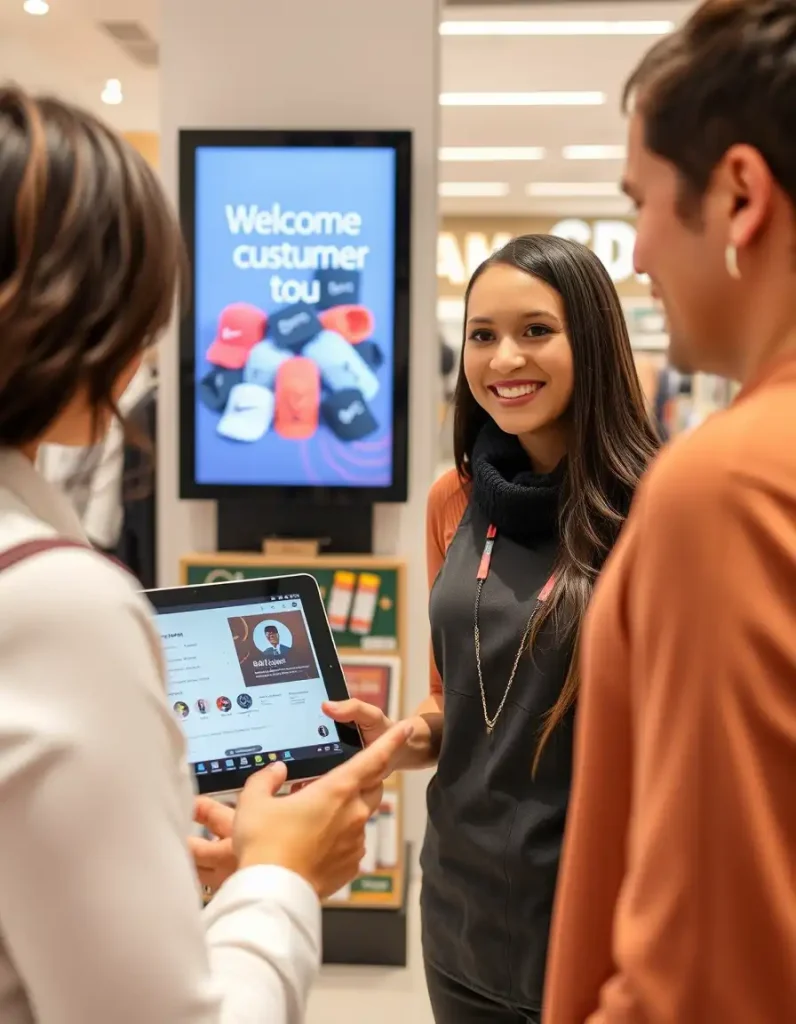
Forget generic blasts. The future of shopping beats with the rhythm of personalization. In 2025, it’s not just nice-to-have; it’s the core expectation. Consumers willingly share data (when trust is established) in exchange for experiences that feel uniquely tailored to them. This goes far beyond inserting a name in an email. True personalization at scale leverages AI on unified customer data to:
Predict Needs Proactively: Analyzing past purchases, browsing behavior, location, and even contextual data (like weather) to suggest relevant products before the customer explicitly searches. (“Looks like rain tomorrow! Need a durable umbrella? We have your preferred brand in stock.”)
Curate Individual Journeys: Dynamically adjusting website layouts, app home screens, and email content to highlight categories and offers most relevant to each user. A new parent sees baby gear promotions; a DIY enthusiast sees tool discounts.
Hyper-Targeted Promotions: Moving beyond broad segments to individual-level offers. Loyalty rewards tailored to purchase patterns, discounts on items left in a cart, or incentives for products complementing past buys.
Personalized In-Store Experiences: Empowering associates with customer profiles (purchase history, preferences, past service interactions) accessed via tablets, enabling them to provide highly relevant assistance and recommendations the moment a loyalty member walks in. Digital signage can even greet customers by name or display offers relevant to them. This level of tailored engagement is what transforms a transaction into a relationship and is central to the store future strategy of leaders like Nike or Sephora. It makes finding a future store near me feel like walking into a space designed just for you.
Case Study: Amazon Future Store – A Glimpse into Tomorrow
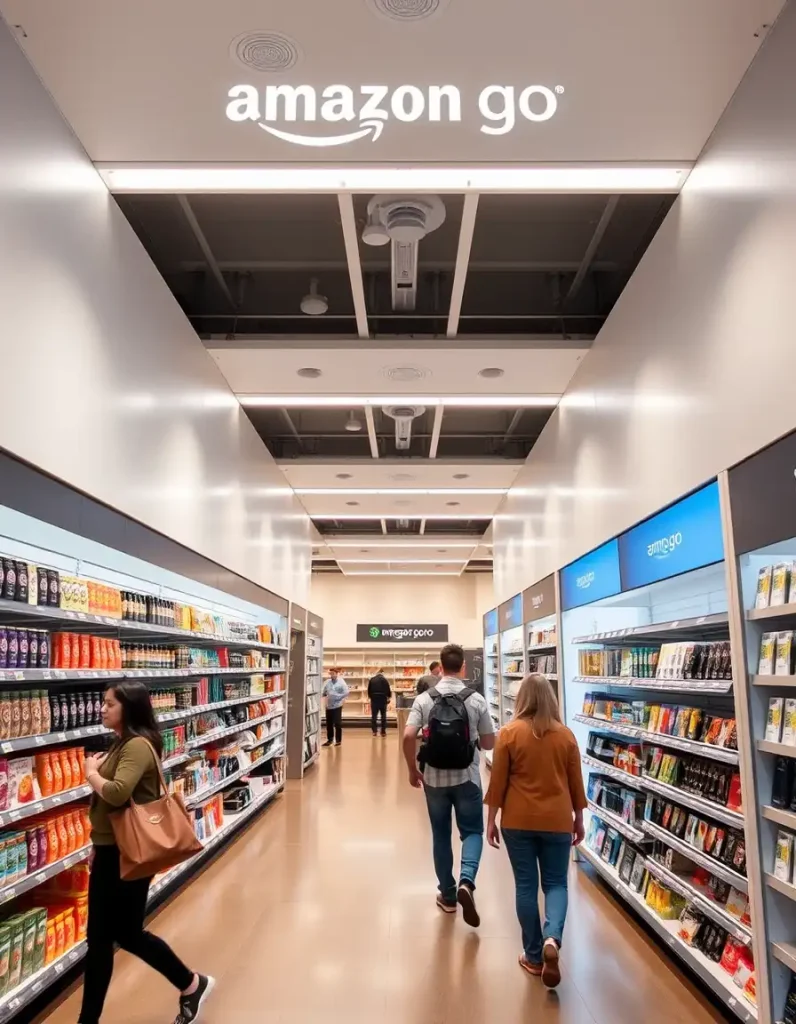
No discussion of the future of shopping is complete without examining the trailblazer: the Amazon Future Store, primarily exemplified by its Amazon Fresh and Amazon Go formats. These stores aren’t just selling groceries; they’re testing grounds for frictionless, technology-infused retail that redefines convenience:
Just Walk Out Technology: The flagship innovation. Using a sophisticated array of ceiling-mounted cameras, weight sensors on shelves, and computer vision/ML, the system automatically detects what items shoppers pick up (or put back) and charges their linked Amazon account upon exit. No checkout lines, no scanning. This epitomizes the “invisible” convenience consumers crave.
Dash Carts: For larger shopping trips, smart carts (Dash Carts) allow shoppers to scan items as they go (via built-in cameras and scales) and skip the traditional checkout, paying automatically through the cart.
Deep Integration with Online Ecosystem: Stores act as hyper-local fulfillment hubs for Amazon.com orders (especially Prime). They offer seamless returns for online purchases. Prices are dynamically updated via digital shelf labels, synced with online prices.
Personalization In-Store: While primarily focused on frictionless checkout, elements like personalized deals accessed via the Amazon app when entering the store hint at deeper future integration. The Alexa voice assistant is also integrated for product queries.
The Amazon Future Store model powerfully demonstrates how technology can remove pain points (queues, scanning) and deeply integrate physical locations into a broader digital ecosystem. It sets a high bar for convenience and operational efficiency, pushing the entire industry towards more seamless omnichannel experiences. While the tech is complex, the customer benefit is beautifully simple: get what you need and leave, effortlessly. (Hyperlink: Amazon Just Walk Out Technology)
Global Innovations: Jamuna Future Park and Beyond

The omnichannel revolution isn’t confined to Silicon Valley. Around the globe, innovative retail destinations are pushing boundaries. A prime example is Jamuna Future Park in Dhaka, Bangladesh, often touted as one of Asia’s largest shopping malls. But size alone isn’t its claim to fame; it’s actively embracing the store future by evolving into a multifaceted lifestyle hub:
Beyond Traditional Retail: Jamuna Future Park integrates shopping with extensive entertainment (a massive theme park, cineplex), dining options, event spaces, and even office complexes. This creates a destination where shopping is just one part of a full day’s experience, catering to diverse needs under one roof – a physical manifestation of the convenience expected in omnichannel.
Embracing Technology: Recognizing the shift, the mall incorporates digital directories, promotes app-based navigation and offers, and provides robust Wi-Fi, facilitating the blend of online research and physical purchase. They understand the modern shopper might browse deals online before visiting a specific future store near me within the complex.
Community Hub: By hosting events, festivals, and providing spaces for social interaction, it fosters a sense of community, something pure e-commerce struggles to replicate. This social aspect is becoming increasingly important in trending retail.
Similar large-scale, experiential malls are emerging worldwide, like Mall of Arabia in Egypt or ICONSIAM in Thailand. These giants, alongside nimble innovators, demonstrate that the physical store’s role is evolving. It’s less about pure transaction and more about experience, discovery, instant gratification, and social connection – elements seamlessly integrated with digital tools for a holistic future of retail shopping. They prove that physical retail isn’t dying; it’s transforming into a vital component of the omnichannel ecosystem.
Finding a “Future Store Near Me”: The Localized Revolution
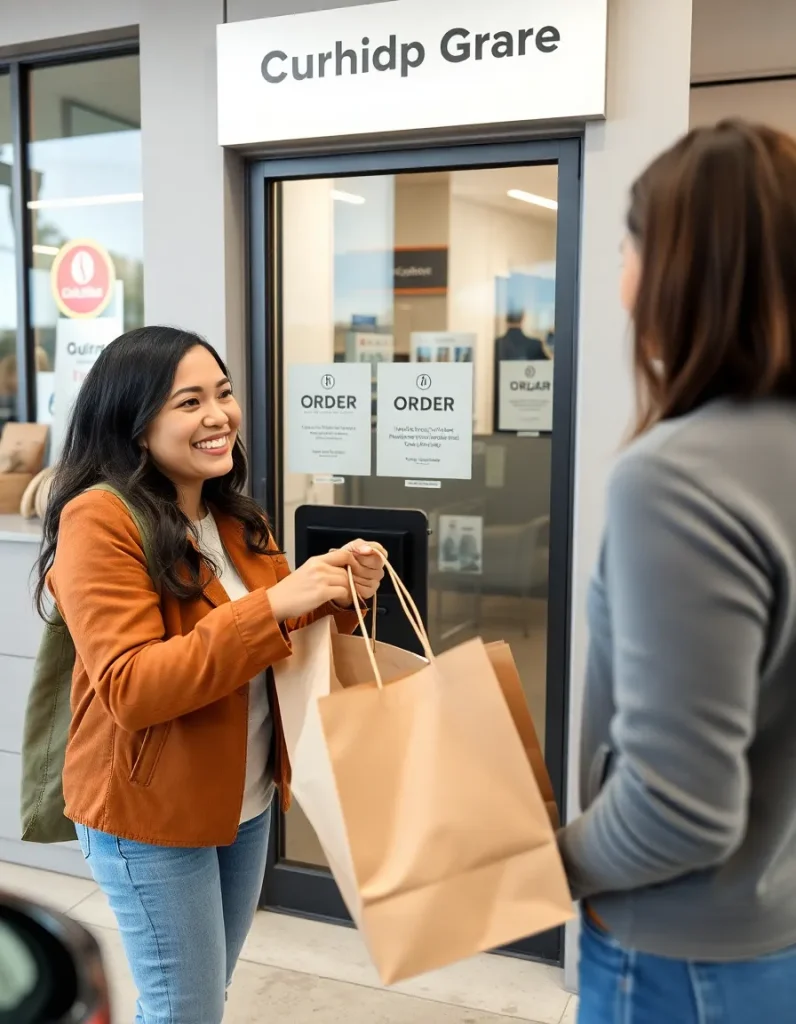
The phrase “future store near me” is becoming a common search query, reflecting a fundamental shift: the resurgence of local relevance powered by omnichannel. While global giants innovate, the future also belongs to localized, hyper-convenient experiences that blend digital ease with physical proximity. This revolution manifests in several key ways:
Local Inventory Precision: Consumers demand accuracy. Apps and websites must show real-time, granular stock levels for specific items at their closest store, not just regional availability. Successfully finding that exact item at your neighborhood store future builds immense trust and drives foot traffic.
BOPIS & Curbside as Standard: Buy Online, Pick Up In-Store (BOPIS) and curbside pickup exploded during the pandemic and are now non-negotiable expectations. They offer the best of both worlds: online browsing convenience and near-instant gratification without shipping wait or cost. Retailers are optimizing these services with dedicated pickup counters, parking spots, and streamlined processes. Warehouse clubs like Costco Future Stores excel here, leveraging their physical footprint for member convenience.
Micro-Fulfillment Centers (MFCs): Small, automated warehouses located in the back of existing stores or in urban hubs. They allow retailers to fulfill online orders for hyper-local delivery (within hours) or pickup much faster than from a distant central warehouse. This turns local stores into powerful distribution nodes.
Geo-Targeted Personalization: Marketing and offers become hyper-local. Push notifications alerting you to a sale at your favorite store just down the street, or digital coupons activated when you enter a specific shopping district. This makes the digital world feel intimately connected to your immediate physical surroundings. The ability to quickly locate and interact with a relevant future store near me is a cornerstone of the frictionless future of retail shopping.
Sustainability and Ethics: The New Retail Imperative
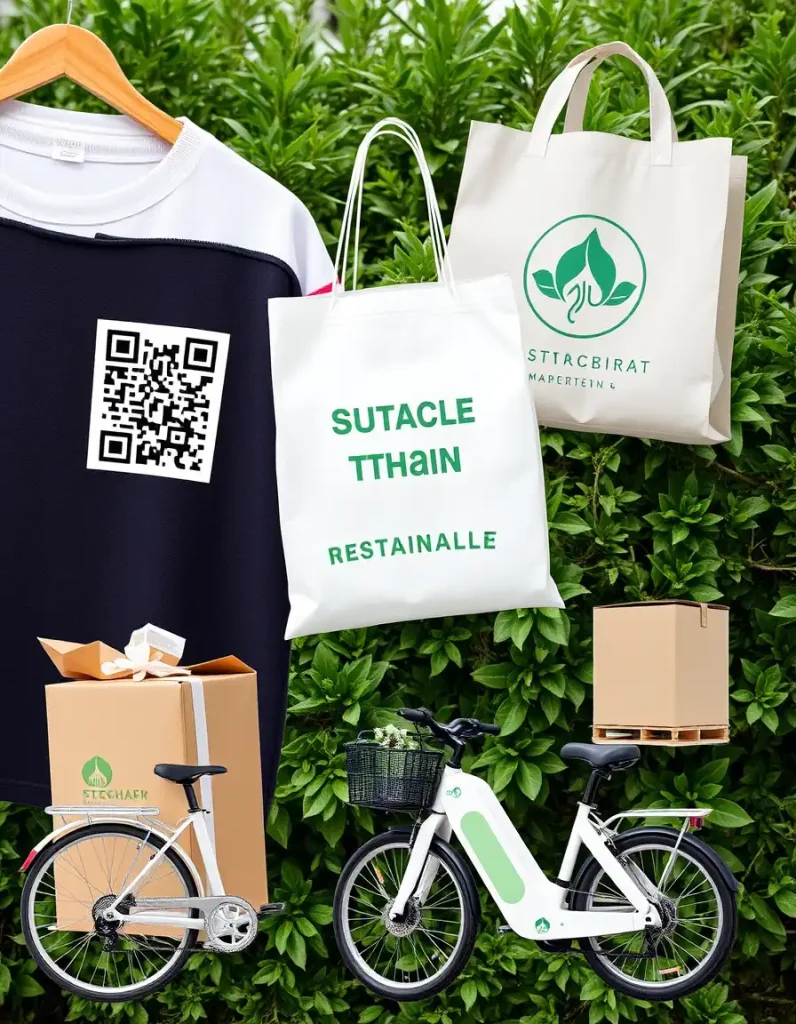
The future of shopping isn’t just smarter and faster; it must be more responsible. By 2025, sustainability and ethical practices are no longer niche concerns but core purchase drivers woven into the omnichannel fabric:
Transparent Supply Chains: Consumers demand visibility. Blockchain technology and QR codes on products allow shoppers to trace an item’s journey from raw material to shelf, verifying ethical sourcing, fair labor practices, and environmental impact. This transparency builds trust and informs choices.
Circular Economy Integration: Omnichannel facilitates circularity. Easy online scheduling for in-store product repairs. Seamless returns processes for refurbishment or resale (think Patagonia Worn Wear or IKEA’s buy-back programs). Apps showing local options for recycling or donating used items. The goal is keeping products in use longer and minimizing waste.
Eco-Conscious Fulfillment: Retailers are optimizing logistics to reduce their carbon footprint. This includes route optimization for deliveries, using electric vehicles, offering consolidated shipping options, incentivizing BOPIS/curbside over home delivery, and utilizing sustainable packaging materials. The efficiency of knowing a product is at your local future store near me avoids longer shipping routes.
Ethical Personalization: Using data responsibly is paramount. Transparency about data collection and use, robust security, and clear opt-in/opt-out mechanisms are essential for maintaining consumer trust. Personalization shouldn’t feel invasive but helpful and respectful. Sustainable choices are becoming a key filter in personalized recommendations.
Conscious Consumerism Tools: Apps and platforms providing sustainability scores for products, highlighting eco-labels, or suggesting ethical alternatives empower shoppers to make informed decisions aligned with their values. This trend is defining trending retail for a generation that votes with its wallet. The store future must be green and just to earn loyalty.
Challenges on the Road to Omnichannel Excellence
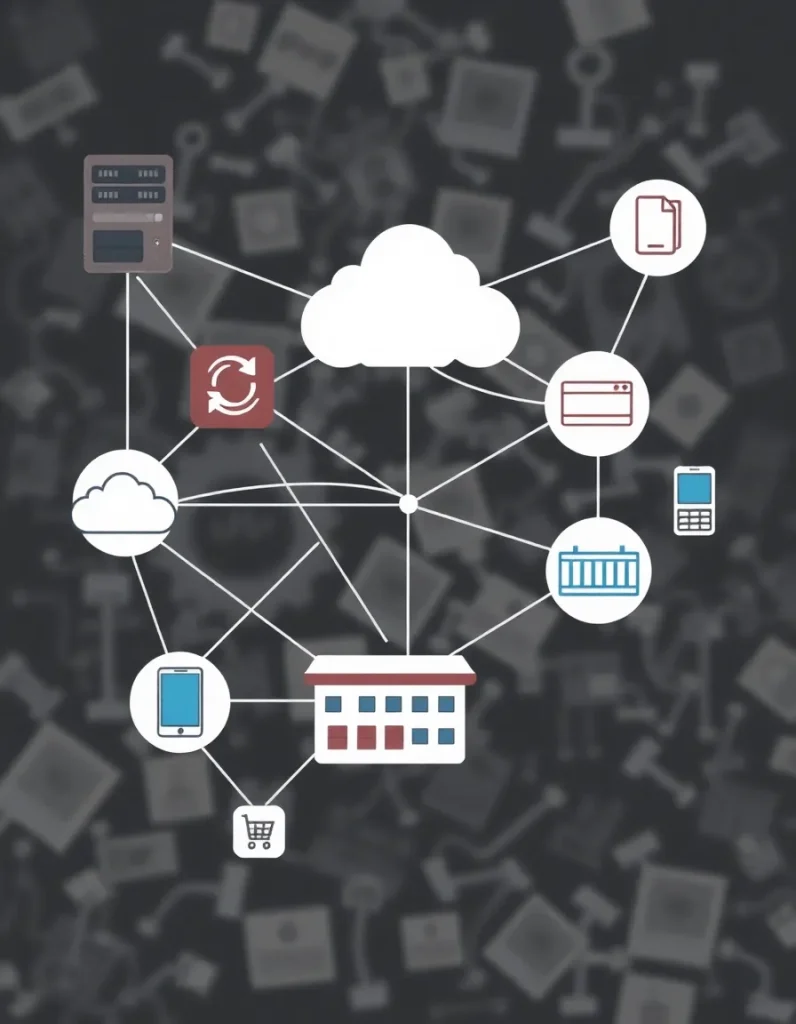
Despite the exciting potential, the path to seamless omnichannel in 2025 is fraught with significant hurdles:
Legacy System Integration: Many retailers, especially established ones, struggle with outdated, siloed technology systems (ERP, POS, e-commerce platforms) that weren’t designed to communicate. Integrating these into a unified commerce platform is complex, costly, and time-consuming.
Data Silos and Quality: Critical customer and operational data is often trapped in different departments or systems. Breaking down these silos and ensuring data is accurate, consistent, and accessible in real-time across the organization is a massive challenge. Garbage in, garbage out – poor data cripples personalization and inventory accuracy.
Organizational Silos: Technology integration is only half the battle. Breaking down internal departmental silos (marketing, sales, e-commerce, store operations, logistics) is crucial. Success requires a unified strategy, shared goals (KPIs), and collaborative culture, often demanding significant organizational change management.
Cost and ROI: Implementing the necessary technology (AI, unified platforms, IoT infrastructure), restructuring fulfillment networks (MFCs), and training staff requires substantial investment. Demonstrating clear ROI, especially in the short term, can be difficult, making it hard to secure buy-in and budget.
Privacy and Security: Collecting and utilizing vast amounts of customer data for personalization necessitates robust cybersecurity measures and strict adherence to evolving privacy regulations (like GDPR, CCPA). A single data breach can shatter consumer trust instantly. Balancing personalization with privacy is a tightrope walk.
Consistent Execution Across Touchpoints: Ensuring the brand promise and a high-quality experience are delivered uniformly online, on mobile, in-store, via call centers, and through third-party marketplaces is incredibly difficult. Inconsistency damages the perception of a seamless omnichannel brand. Overcoming these challenges requires strong leadership, strategic vision, and a relentless focus on the customer experience central to the future of retail shopping.
The Role of Social Commerce in Omnichannel Strategies
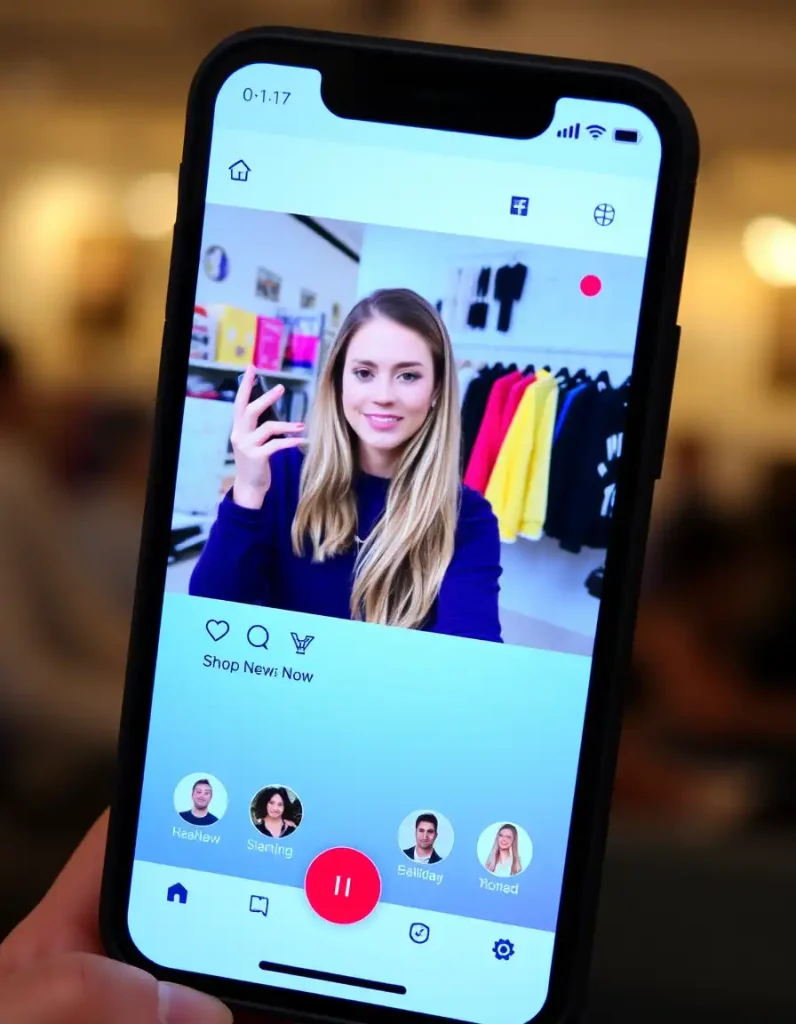
Social media has evolved far beyond brand awareness; it’s now a powerful direct sales and discovery channel, deeply embedded in the future of shopping ecosystem. Social commerce – the ability to discover, research, and purchase products directly within social media platforms – is a vital component of omnichannel strategies in 2025:
Seamless In-App Purchasing: Platforms like Instagram, TikTok, Facebook, and Pinterest have integrated native shopping features. Users see a product in a post or video, tap a tag, view details, and checkout without ever leaving the app. This drastically reduces friction and capitalizes on impulse and discovery.
Livestream Shopping: A phenomenon exploding globally, particularly in Asia and gaining traction elsewhere. Brands or influencers host live video sessions showcasing products, interacting with viewers in real-time via chat, and enabling instant purchases. This blends entertainment, community, and convenience, creating an engaging trending retail experience.
Social Proof as a Catalyst: User-generated content (reviews, unboxing videos, style photos) shared on social media acts as powerful social proof, influencing purchase decisions far more effectively than traditional ads. Omnichannel retailers encourage and leverage this content across their own channels.
Driving Offline Traffic: Social media isn’t just for online sales. Geo-targeted posts highlighting in-store events, exclusive promotions, or new arrivals at a local future store near me effectively drive physical foot traffic. QR codes in posts can link directly to store maps or BOPIS options.
Influencer Integration: Collaborations with relevant influencers (macro to micro) provide authentic product demonstrations and recommendations, reaching highly engaged audiences. Influencer discount codes also track campaign effectiveness across the funnel. Social commerce closes the loop between inspiration, discovery, community, and purchase, making it an indispensable touchpoint in the modern omnichannel experiences journey. (Hyperlink: Insider Intelligence on Social Commerce)
Future Gazing: What’s Next Beyond 2025?
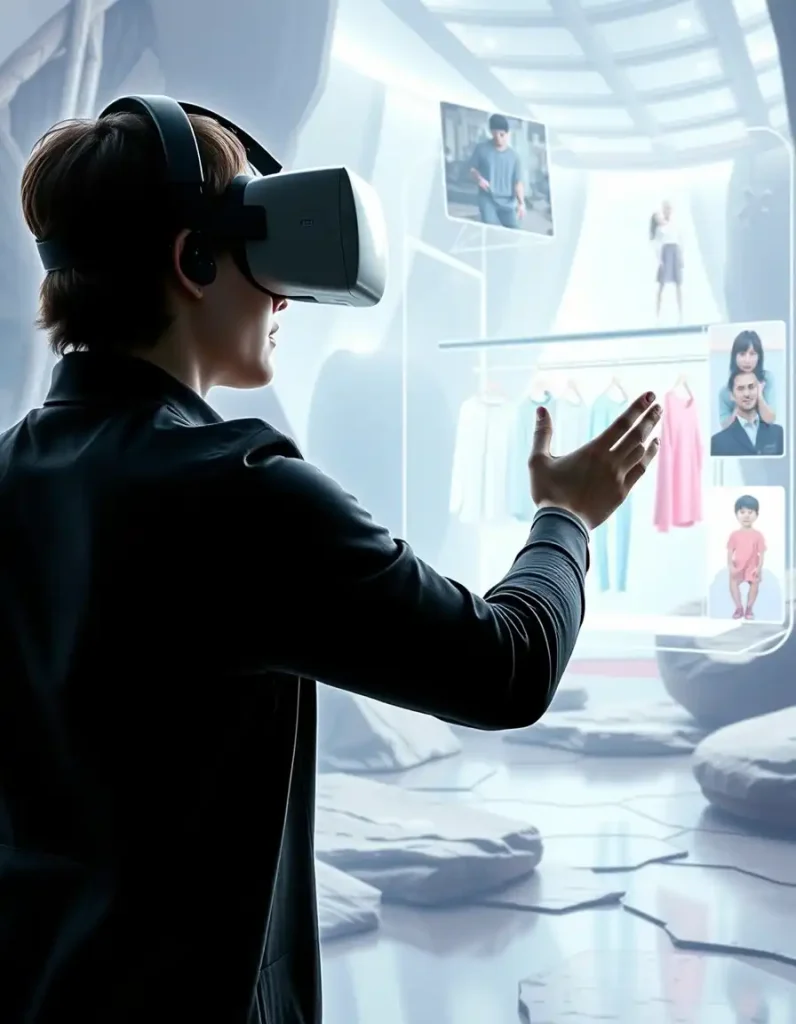
While 2025 is our focal point, the future of shopping will continue its relentless evolution. Here’s a peek over the horizon:
Metaverse Integration: Virtual stores within persistent digital worlds (the metaverse) will become more sophisticated, offering immersive brand experiences, virtual product try-ons (NFT fashion?), exclusive digital items, and new avenues for social shopping and events. Physical and virtual assets may become intertwined (e.g., buying a physical item unlocks a digital twin).
Advanced AI & Predictive Analytics: AI will move from reactive personalization to true predictive anticipation. Imagine your fridge automatically ordering milk before it runs out, or your wardrobe suggesting a complete outfit for an upcoming event based on weather forecasts and your calendar, sourced from preferred retailers. AI will manage more of the routine “replenishment” shopping.
Hyper-Automation in Fulfillment: Warehouses and last-mile delivery will see increased robotics, autonomous vehicles (drones, ground robots), and AI optimization, pushing towards near-instantaneous, ultra-low-cost delivery options, further blurring the lines between online and offline fulfillment.
Biometric Integration (with Caution): Frictionless checkout could evolve beyond phone scans to biometric verification (facial recognition, palm scanning – like Amazon One) linked to payment and loyalty, speeding up the process. However, this raises significant privacy concerns that must be addressed transparently.
Voice Commerce Maturity: Shopping via smart speakers and voice assistants will become more natural and integrated. Instead of simple reorders, expect complex, conversational shopping experiences, comparisons, and personalized recommendations handled entirely by voice.
Sustainability as Default: Circular models, resale platforms integrated into primary retail sites, carbon-neutral fulfillment, and sustainable materials won’t be a differentiator; they will be the baseline expectation demanded by consumers and regulated by governments. The store future will inherently be green.
The core principle remains: the seamless, personalized, and convenient integration of every possible touchpoint, guided by data and powered by emerging tech, relentlessly focused on serving the customer’s evolving needs and values. The journey beyond 2025 is about deepening this integration and exploring new experiential frontiers.
Conclusion: Embracing the Omnichannel Future
The future of shopping isn’t a distant concept; it’s unfolding right now. By 2025, omnichannel experiences will be the defining standard, not the exception. We’ve moved far beyond the simple question of “online or offline?” to a world where every channel is interconnected, working in concert to deliver unprecedented levels of convenience, personalization, and value. From the invisible checkout of the Amazon Future Store to the experiential mega-destinations like Jamuna Future Park, and the localized convenience of finding exactly what you need at a future store near me, the landscape is transforming at breakneck speed. Technologies like AI, AR, and IoT are the engines, but the heart remains the customer demanding seamless, relevant, and increasingly sustainable interactions. While challenges around integration, data, and cost persist, the retailers who embrace the omnichannel imperative – investing in unified platforms, breaking down silos, prioritizing personalization with ethics, and weaving sustainability into their core – will be the ones who thrive. The winners in this future of retail shopping won’t just sell products; they will cultivate frictionless, personalized journeys that build lasting loyalty. The future isn’t about channels; it’s about a unified, customer-centric experience. Are you ready to embrace it?
Key Takeaways:
Omnichannel is the seamless, unified customer experience across all touchpoints (online, app, in-store, social, etc.), not just having multiple channels.
Personalization, powered by AI and unified data, is the core expectation by 2025, moving beyond marketing to anticipating needs.
Technology (AI, AR, IoT, Unified Platforms) is the essential enabler, removing friction (e.g., checkout) and enabling new experiences (e.g., virtual try-ons).
Physical stores are evolving into experiential hubs, fulfillment centers (BOPIS, ship-from-store), and community spaces, not just transaction points.
Sustainability, ethical practices, and transparent supply chains are non-negotiable imperatives for future success and consumer trust.
Success requires overcoming significant challenges: integrating legacy systems, breaking down data/organizational silos, ensuring privacy, and proving ROI.