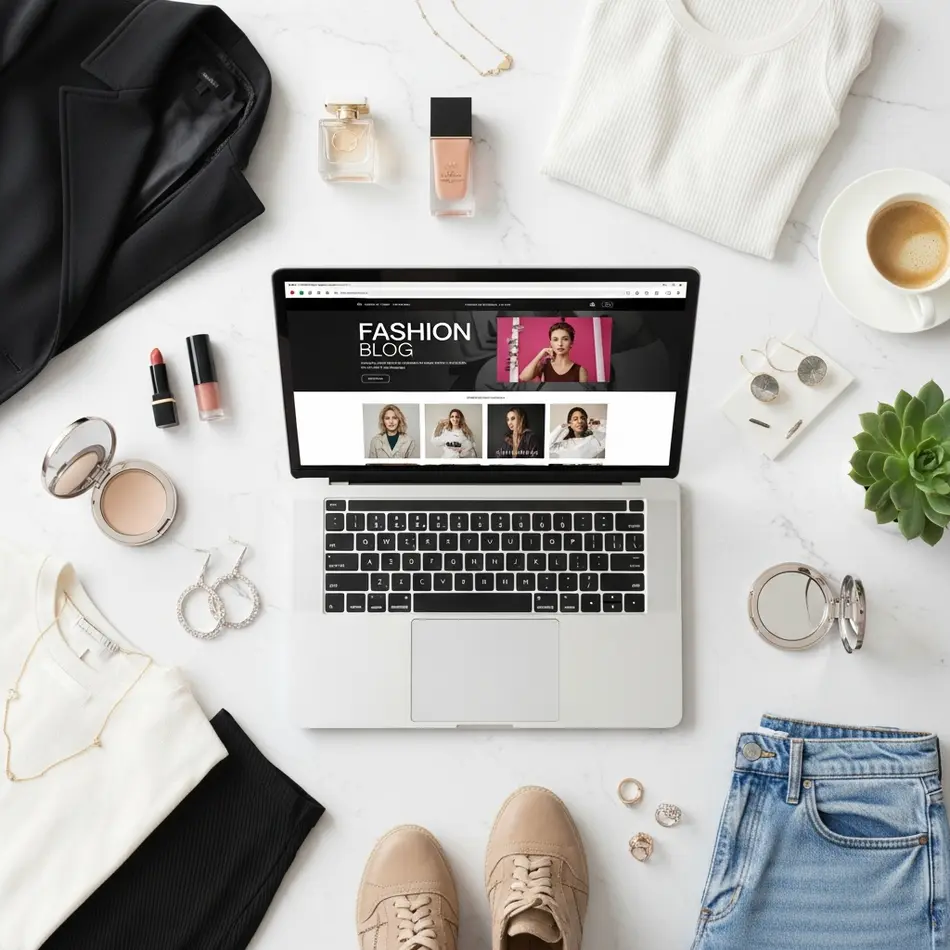
Fashion and beauty audiences are often drawn to useful ideas before they are drawn to a product. A thoughtful article about building a capsule wardrobe, caring for curly hair or choosing better-fitting basics can introduce a brand to readers in a setting that feels relevant. For a small label or independent creator, affordable guest posting services may offer one way to reach those readers—provided the publication, topic and writing are a good match.
What guest posting can do for a fashion business
Table of Contents
Guest posting means contributing an article to another website, usually in exchange for a byline and a limited, appropriate link to your own site. In fashion, that could mean a stylist explaining how to adapt a trend for different body shapes, a skincare founder discussing ingredient labels, or a sustainable clothing business outlining how to assess fabric quality.
The value is not simply that a link appears somewhere online. A relevant article can introduce your expertise, build familiarity with your name and give potential customers a reason to explore your work. It can also help establish a consistent point of view. That matters in crowded categories where readers encounter a constant stream of new collections, routines and recommendations.
Guest posts work best as part of a broader content plan, not as a shortcut to instant sales. Choose topics you can support with practical knowledge, and make sure each article would still be useful if the reader never clicked through to your website.
Choose publications for audience fit
Before considering a site’s traffic figures, look closely at what it publishes. Does it cover the kind of fashion, beauty or lifestyle subjects your customers care about? Are recent articles well-edited and genuinely helpful? Do the writers and sources appear credible? A smaller specialist publication can be a better fit than a much larger site whose audience has little reason to care about your subject.
Read several recent posts and check the submission rules. Some editors accept finished drafts; others want a short pitch first. Note their preferred article length, tone, image requirements and rules around links. A submission that follows those guidelines is easier to evaluate—and less likely to be rejected for avoidable reasons.
For a starting point, this guide to the best digital marketing guest post sites brings together site data, free options, submission guidance, costs and a pitch template. It is focused on digital marketing rather than fashion, but its research checklist can help you assess publications in other niches, too.
Set a budget without losing control
Costs vary widely. Some websites accept unpaid contributions, while others charge for editorial or placement services. A higher price does not automatically mean a better audience, and a low quote is not useful if the article ends up on an irrelevant site or fails to meet basic quality standards. Set a budget based on the value of reaching the right readers, not on the number of placements promised.
If you are comparing affordable guest posting services, ask what the quoted work includes. Clarify whether writing, editing, outreach and publication are part of the price, and whether you can approve the target site and draft before anything goes live. Get details about timelines, revisions and what happens if a proposed publication cannot accept the piece.
Keep your brief specific. Explain your audience, the subject areas you can speak about, the tone you want and any claims that need checking. For a fashion brand, include useful context such as materials, care instructions or fit details rather than relying on broad promotional language. A clear brief helps a writer create something that sounds informed instead of like an advert.
Use freelancers carefully
When you need help researching sites, shaping a pitch or drafting an article, a freelance marketplace can make it easier to compare different kinds of support. Osdire, for example, lists services across writing and translation, marketing and other categories. Its flat pricing and payment-hold process—where funds are released after the delivered work is approved—can help clarify the transaction, but you should still review a freelancer’s relevant experience and agree on the deliverables before ordering.
Ask for a short outline before commissioning a full piece. Check that the proposed angle adds something beyond a product roundup, and request sources for factual claims about ingredients, textiles, sustainability or health. If the article includes personal advice, make sure it reflects your expertise and does not stray into claims you cannot substantiate.
Measure the results realistically
Once an article is published, record the date, publication, topic and link. Over time, look at meaningful outcomes: referral visits, reader engagement, enquiries and whether the coverage supports your wider brand presence. One post may bring modest traffic but still introduce your name to a relevant community; another may attract clicks without leading to lasting interest.
Finally, protect the reader’s trust. Be transparent about your connection to a brand where required, avoid exaggerated claims and respect each publication’s editorial standards. The strongest guest post is not a disguised catalogue. It gives readers something practical to take away, while making your expertise—and your brand—memorable for the right reasons.