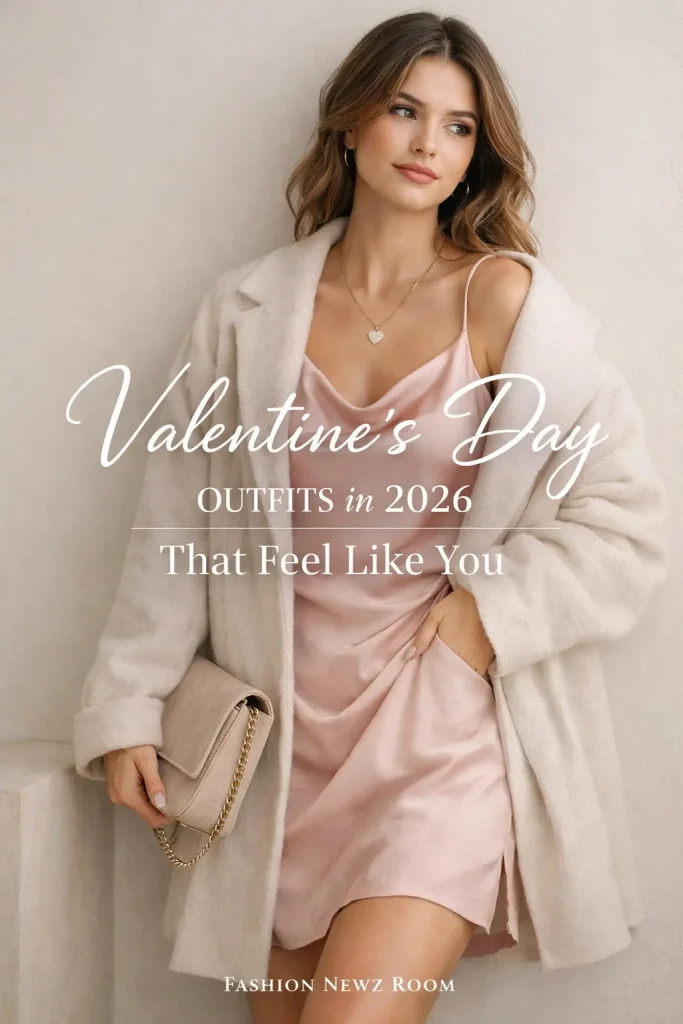
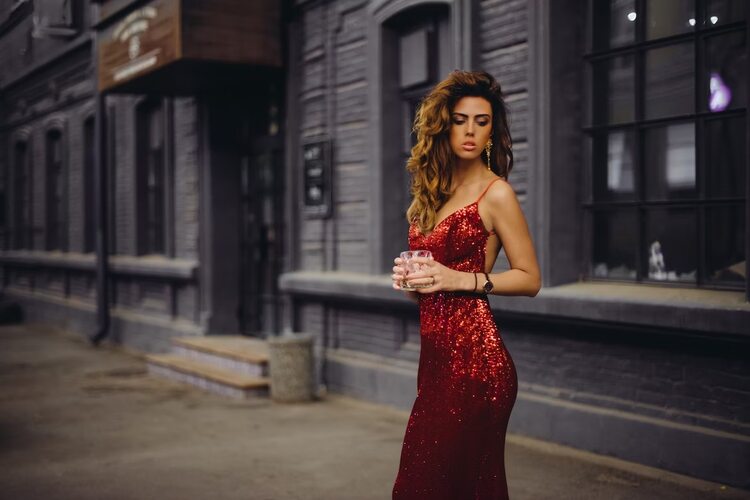
Valentine’s Day has always come with a certain visual noise. The predictable reds. The pressure to look “romantic” in a way that rarely matches real life. By 2026, something quieter—and more honest—has taken hold. Women aren’t dressing for a theme anymore. They’re dressing for themselves, their actual plans, their moods, and their bodies as they exist today.
What stands out this year isn’t a single silhouette or color story. It’s intention. A slow return to personal taste after years of algorithm-fed aesthetics and borrowed identities. The outfits women are choosing for Valentine’s Day in 2026 feel lived-in, considered, and unmistakably individual.
At Fashion Newz Room, this shift has been unfolding season after season, and Valentine’s Day has become one of the clearest mirrors of it.
When Valentine’s Dressing Stopped Being a Costume
Table of Contents
There was a time—not long ago—when Valentine’s outfits felt like uniforms. Lace if you were going out. Satin if you wanted to look “grown.” Something tight, something red, something you wouldn’t wear again until next February.
That expectation has faded.
In the U.S., Canada, and Australia, Valentine’s Day plans now look wildly different depending on the woman. A low-key dinner at home. A solo evening after work. A late reservation squeezed between childcare logistics. A first date that feels tentative rather than cinematic.
The clothes are responding accordingly.
Instead of asking, “Is this romantic enough?” women are asking quieter, more practical questions:
Will I feel comfortable sitting in this for three hours?
Does this feel like me on a good day?
Can I move through the night without adjusting myself constantly?
The answers don’t point toward trends. They point inward.
The Rise of Soft Structure
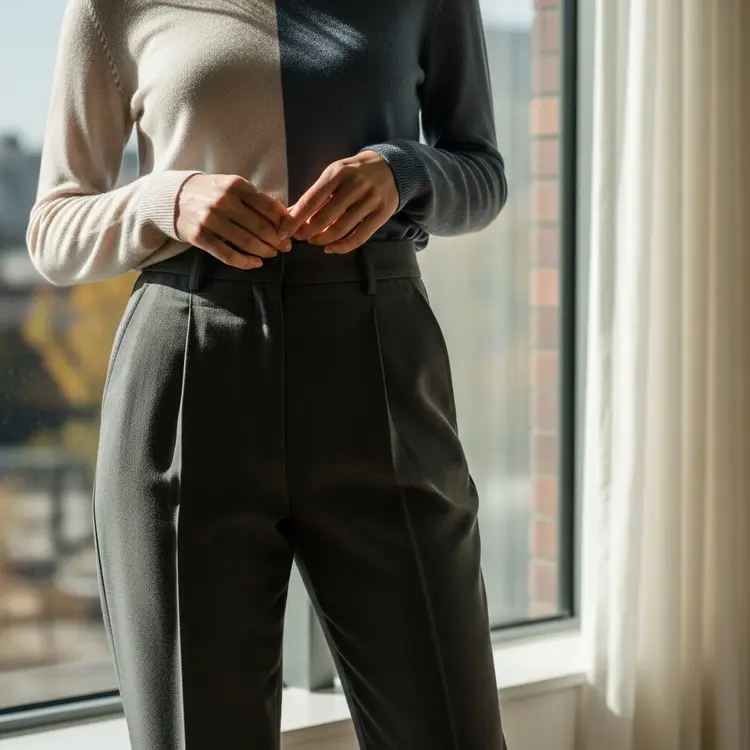
One noticeable pattern this year is the move away from extremes. Not oversized for the sake of drama. Not body-hugging just to signal effort. What’s emerging instead is soft structure—clothing that has shape without rigidity.
Think tailored trousers with fluid drape. Knit dresses that skim rather than cling. Blazers worn open over bare skin, not to look provocative but to feel grounded. These pieces show confidence without spectacle.
You see this especially among women in their late 20s through 40s—those who’ve done the experimental phase and are now curating wardrobes that support their lives rather than distract from them.
A woman in Chicago wearing a charcoal knit dress and boots to a Valentine’s dinner doesn’t look underdressed. She looks settled. And that carries its own quiet magnetism.
Color Without Obedience
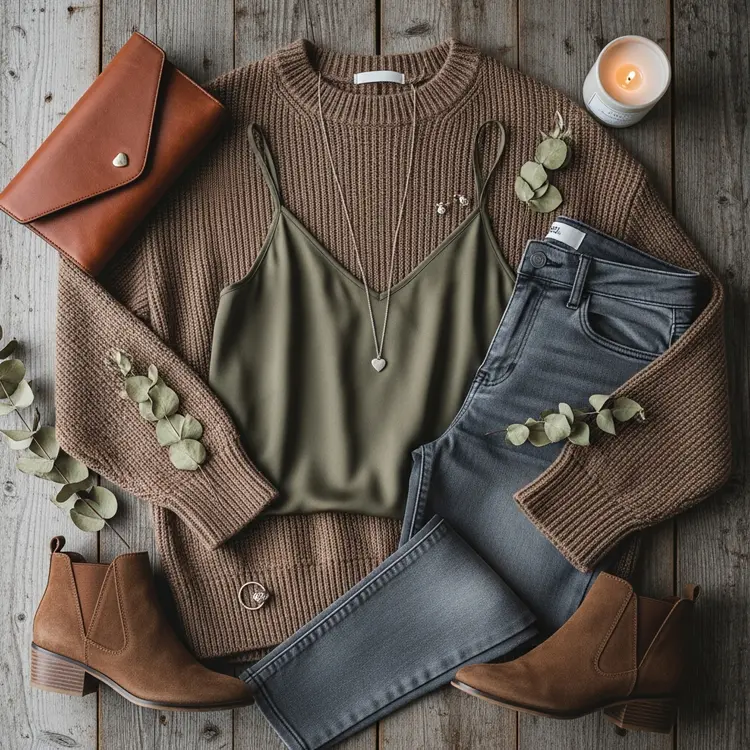
Red still appears, but it no longer dominates.
In 2026, Valentine’s color choices feel personal rather than symbolic. Deep brown dresses. Soft greys. Olive, ink blue, muted rose that barely nods to the holiday. Even black, worn unapologetically, no longer reads as anti-romance.
Many women are choosing colors they already love and trust—shades that suit their skin tone, their energy, their existing wardrobe. There’s comfort in knowing an outfit doesn’t expire on February 15.
At Fashion Newz Room, editors have noticed how often women now describe their Valentine’s outfits using feeling-based language rather than visual labels. “Calm.” “Put together.” “Like myself.” That vocabulary shift says more than any trend report.
Dresses That Don’t Perform
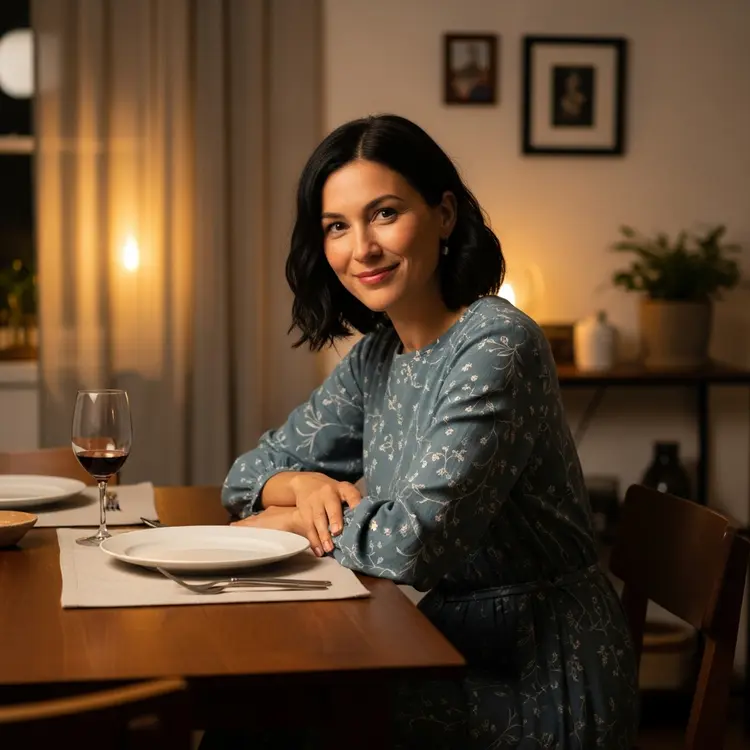
Dresses haven’t disappeared from Valentine’s Day—but their role has changed.
The hyper-feminine, hyper-fragile dress has largely stepped aside. In its place: dresses that allow for movement, warmth, and unpredictability. Long-sleeved silhouettes. Midi lengths that don’t require constant attention. Fabrics that breathe.
This is especially true in colder regions of North America, where practicality now openly coexists with style. A woman shouldn’t have to choose between freezing and feeling attractive.
What’s compelling is how these dresses still feel sensual—just without the performance aspect. They invite presence rather than approval.
Pants, Finally, Without Apology
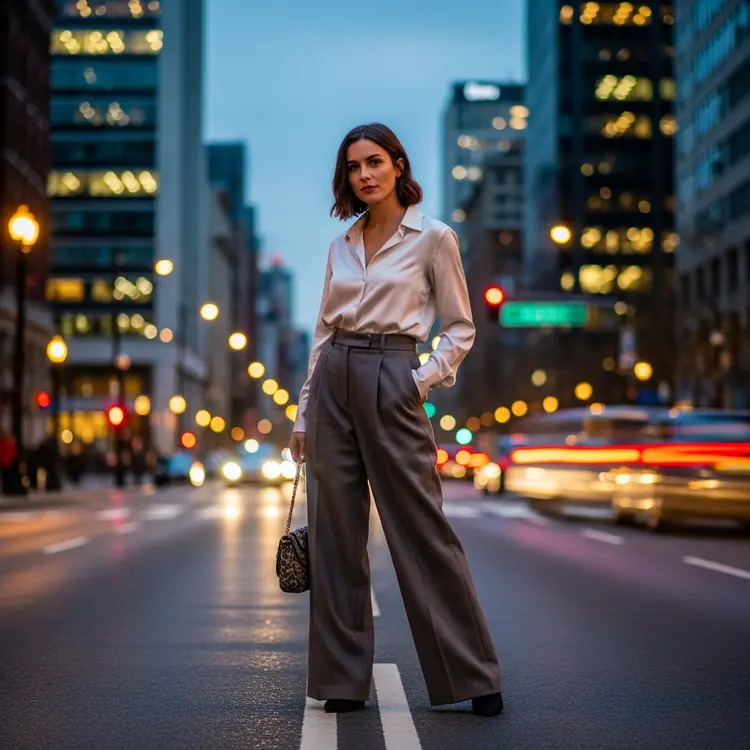
One of the quiet victories of 2026 Valentine’s fashion is how normalized pants have become for romantic occasions.
Wide-leg trousers paired with a fine-knit top. A silk shirt worn slightly undone. Even dark denim, styled intentionally, has found its place at the table.
For many women, pants represent ease. The ability to sit cross-legged. To walk without calculation. To feel secure in their own posture.
There’s something deeply modern about a Valentine’s outfit that prioritizes how a woman experiences the night rather than how she’s viewed from across the room.
Shoes Chosen for the Night You’re Actually Having
Footwear tells the truth faster than anything else.
In 2026, the Valentine’s Day shoe isn’t necessarily a heel. It’s the shoe that matches the plan. Block heels that can handle walking. Boots that ground a soft outfit. Flats that don’t apologize for themselves.
The old idea that romance requires discomfort feels outdated now. Women are choosing shoes that let them arrive present, not preoccupied.
It’s a small detail, but it reveals a larger shift: romance as something lived, not staged.
Digital Culture’s Influence—and Its Limits
Social media still plays a role, but its grip has loosened.
Women are scrolling past hyper-curated Valentine’s visuals with a more critical eye. There’s a growing awareness that many of those images don’t reflect real evenings, real bodies, or real relationships.
Instead, inspiration is coming from peers. From saved outfit photos that feel attainable. From creators who show repeat wear and outfit evolution rather than constant novelty.
On Fashion Newz Room, reader feedback increasingly centers on relatability. Not aspiration. Not fantasy. Just honesty.
And honesty, it turns out, is deeply stylish.
Getting Ready Alone Can Still Feel Meaningful
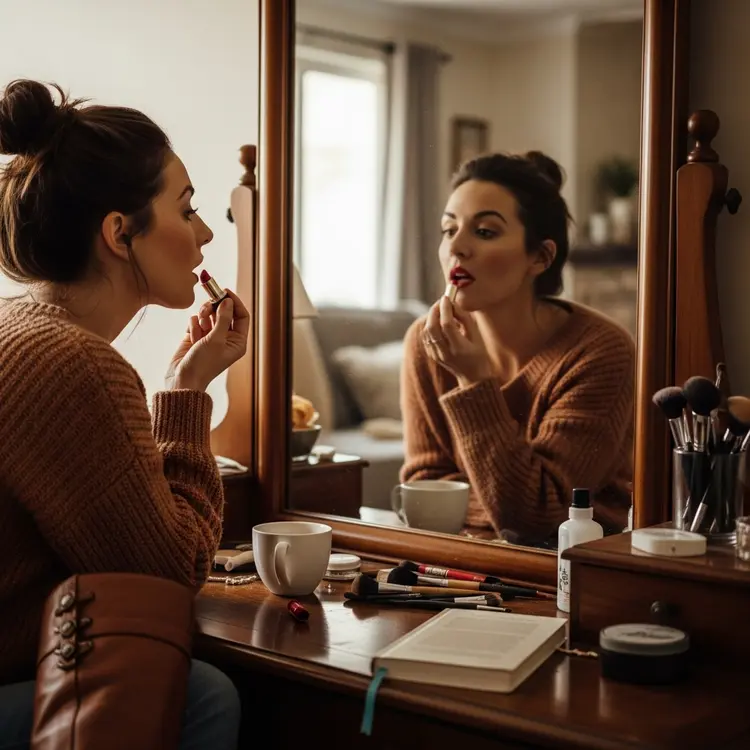
Not every Valentine’s outfit is worn for someone else.
A growing number of women are dressing intentionally even when the evening is solitary. A favorite sweater. A piece of jewelry worn only because it feels good. Lipstick applied without an audience.
These moments matter.
They reflect a broader understanding that personal style isn’t conditional. It doesn’t require validation or occasion. It simply exists as a form of self-respect.
This may be one of the most important fashion shifts of the decade.
Why This Conversation Matters
Valentine’s Day outfits might seem trivial in the grand scheme of things. But they sit at the intersection of identity, expectation, and visibility.
For years, women were told—quietly, persistently—that looking “right” on Valentine’s Day was a measure of desirability, success, even worth. The pressure was subtle but constant.
What’s changing now is not just fashion. It’s permission.
Permission to opt out of the performance.
Permission to dress for comfort without guilt.
Permission to show up as a full, nuanced person rather than a symbol.
That matters. Especially in a world where women are still asked to explain their choices far too often.
Personal Style as a Relationship With Time
One of the most noticeable things about Valentine’s Day outfits in 2026 is how timeless many of them feel.
Women are investing in pieces they already own. Revisiting favorites. Styling thoughtfully rather than shopping reactively. There’s confidence in repetition—wearing something again because it still feels right.
This approach reflects maturity, not stagnation.
It suggests a relationship with fashion that’s rooted in memory, self-knowledge, and restraint. And that’s a powerful form of elegance.
The Quiet Confidence of Feeling Like Yourself
Ultimately, the most striking Valentine’s outfits this year won’t be the ones photographed the most.
They’ll be the ones worn without second-guessing. The outfits that disappear once the night begins, allowing the woman inside them to stay fully present.
That’s what real style does. It recedes. It supports. It doesn’t demand attention.
And in 2026, that feels more romantic than anything else.
Soft Closing Reflection
There’s something reassuring about the way Valentine’s Day fashion has softened. Not diluted—softened. It reflects women who know themselves better, who trust their instincts, who no longer need to dress as proof of anything.
When an outfit feels like you, it doesn’t expire with a holiday. It becomes part of your story. Quietly. Honestly. On your own terms.
Found this helpful? Save it to your Pinterest board!