Ever stood in a store aisle, staring at a wall of products, wondering which “eco-friendly” label to trust? You’re not alone. In 2025, conscious consumerism isn’t just a trend—it’s a necessity. But with buzzwords like “sustainable” and “green” plastered everywhere, how do we cut through the noise and make truly ethical choices? Let’s break it down.
What Exactly Is Conscious Consumerism?
Table of Contents
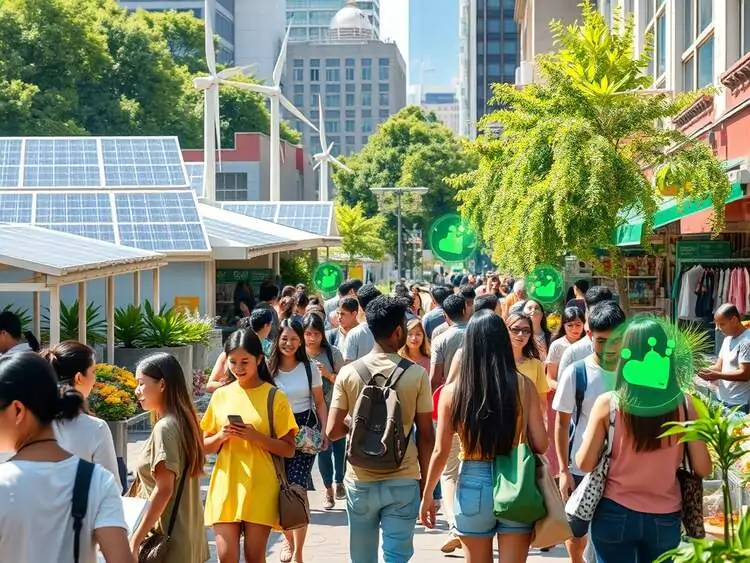
Conscious consumerism means shopping with purpose. It’s not just about buying less—it’s about buying better. Think of it as voting with your wallet: every purchase supports fair labor practices, renewable resources, and minimal environmental harm. By 2025, this mindset has evolved from niche to mainstream, driven by Gen Z and millennials who demand accountability. (A 2024 Nielsen report found 73% of global consumers would pay more for sustainable goods.)
Trends Shaping Sustainable Shopping in 2025
1. Tech-Driven Transparency
Imagine scanning a QR code to see a product’s entire lifecycle—from raw materials to your doorstep. Blockchain technology now powers apps like GoodChain, letting brands like Allbirds share real-time data on carbon footprints and factory conditions. No more guesswork!
2. The Rise of the Circular Economy
Why own a washing machine when you can rent one? Companies like Rent the Runway and Grover are pioneers in the “sharing economy,” reducing waste by keeping products in use longer. Even IKEA’s testing furniture leasing in 2025.
3. Regenerative Agriculture Goes Mainstream
Brands like Patagonia and Dr. Bronner’s invest in farms that rebuild soil health and trap carbon. Your morning coffee might soon come from beans grown under shade trees that protect biodiversity—look for the Regenerative Organic Certified™ label.
4. AI-Powered Personal Shopping
Apps like EcoBuddy analyze your values (e.g., vegan, zero-waste) and suggest tailored picks. “Think of it as a nutrition label for your ethics,” says CEO Lena Torres.
How to Shop Sustainably in 2025: 5 Practical Tips
✅ Research Before You Click ‘Buy’
Check for certifications: B Corp, Fair Trade, or Cradle to Cradle. Apps like Good On You rate fashion brands on labor and environmental impact.
✅ Embrace ‘Cost Per Wear’
That $200 jacket? If it lasts 10 years, it’s cheaper—and greener—than fast fashion. Brands like Outerknown offer lifetime repairs to keep gear out of landfills.
✅ Support Local, Small-Scale Brands
Farmers’ markets and platforms like Etsy reduce shipping emissions. Bonus: You’re backing artisans, not corporations.
✅ Ditch Single-Use Everything
Refill stations for detergent and shampoo are now in most supermarkets. Bring your containers!
✅ Demand Systemic Change
Use social media to call out greenwashing. Sign petitions for laws like the EU’s Anti-Greenwashing Act, which fines brands for vague claims like “eco-conscious.”
Navigating Challenges: Greenwashing 2.0
Yes, some brands still cheat. In 2023, H&M’s “Conscious Collection” was sued for misleading sustainability claims. Spot the fakes by asking:
- Do they disclose suppliers?
- Are their goals specific and time-bound? (e.g., “100% recycled packaging by 2026”)
The Future Is Collaborative
By 2025, conscious consumerism isn’t just individual—it’s collective. Cities like Amsterdam and Tokyo now reward citizens with tax breaks for recycling. Corporations partner with NGOs to offset emissions. And you? You’re part of a global movement proving that small choices do add up.
So next time you shop, ask: Does this align with the world I want to live in? Because in 2025, every purchase is a seed planted for tomorrow.
Final Thought:
Sustainability isn’t about perfection—it’s about progress. Start with one change, like switching to a refillable cleanser, and build from there. The planet (and your grandkids) will thank you.